For many communities, elephants became something you only heard about in stories.


A population of around 60,000 elephants in Uganda in the 1970s was decimated by poaching until just 550 animals remained, less than one per cent of what had existed before. For many communities, elephants became something you only heard about in stories. Over the decades that followed, sustained effort by the Uganda Wildlife Authority and conservation partners slowly turned that story around.
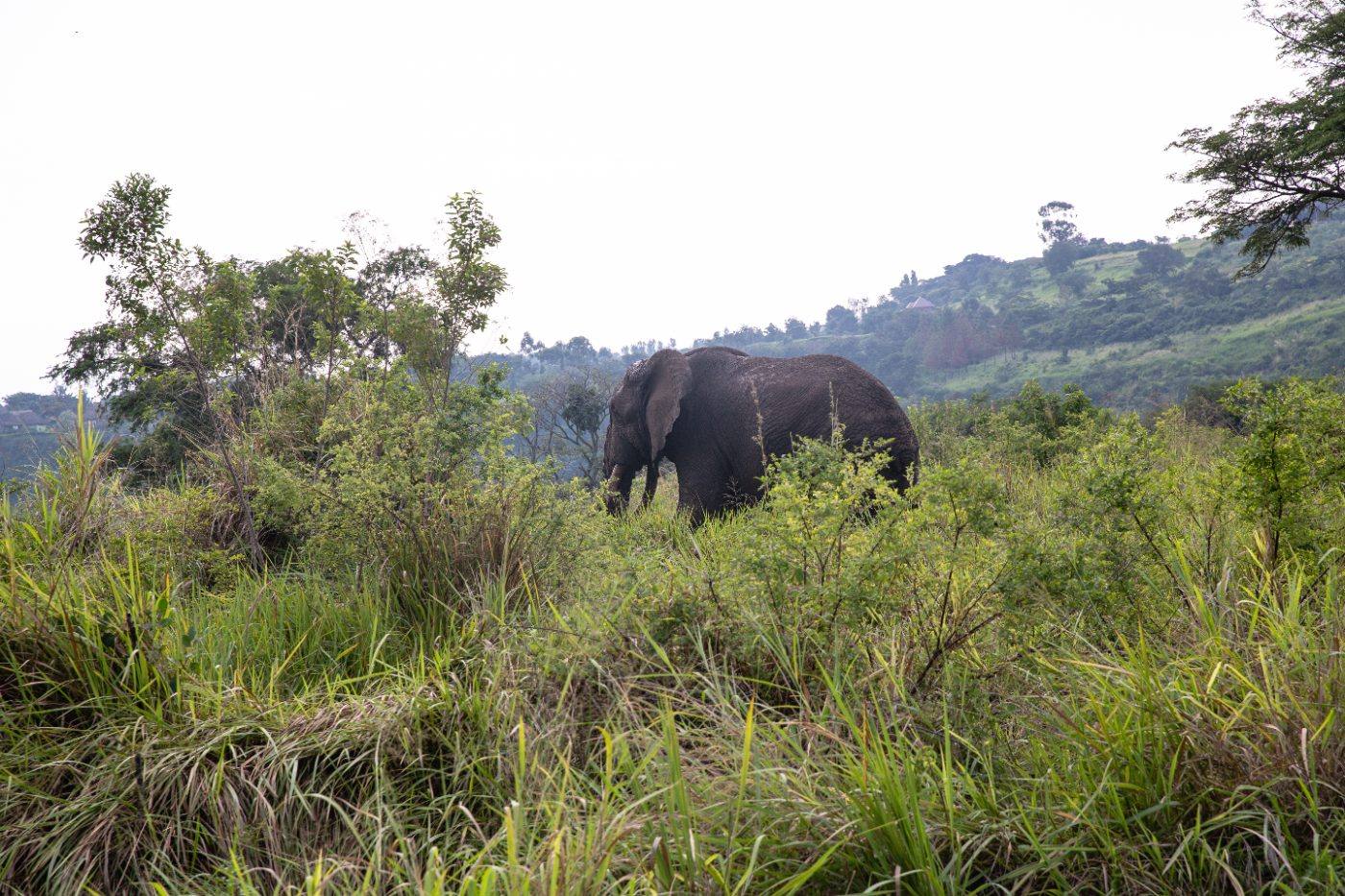
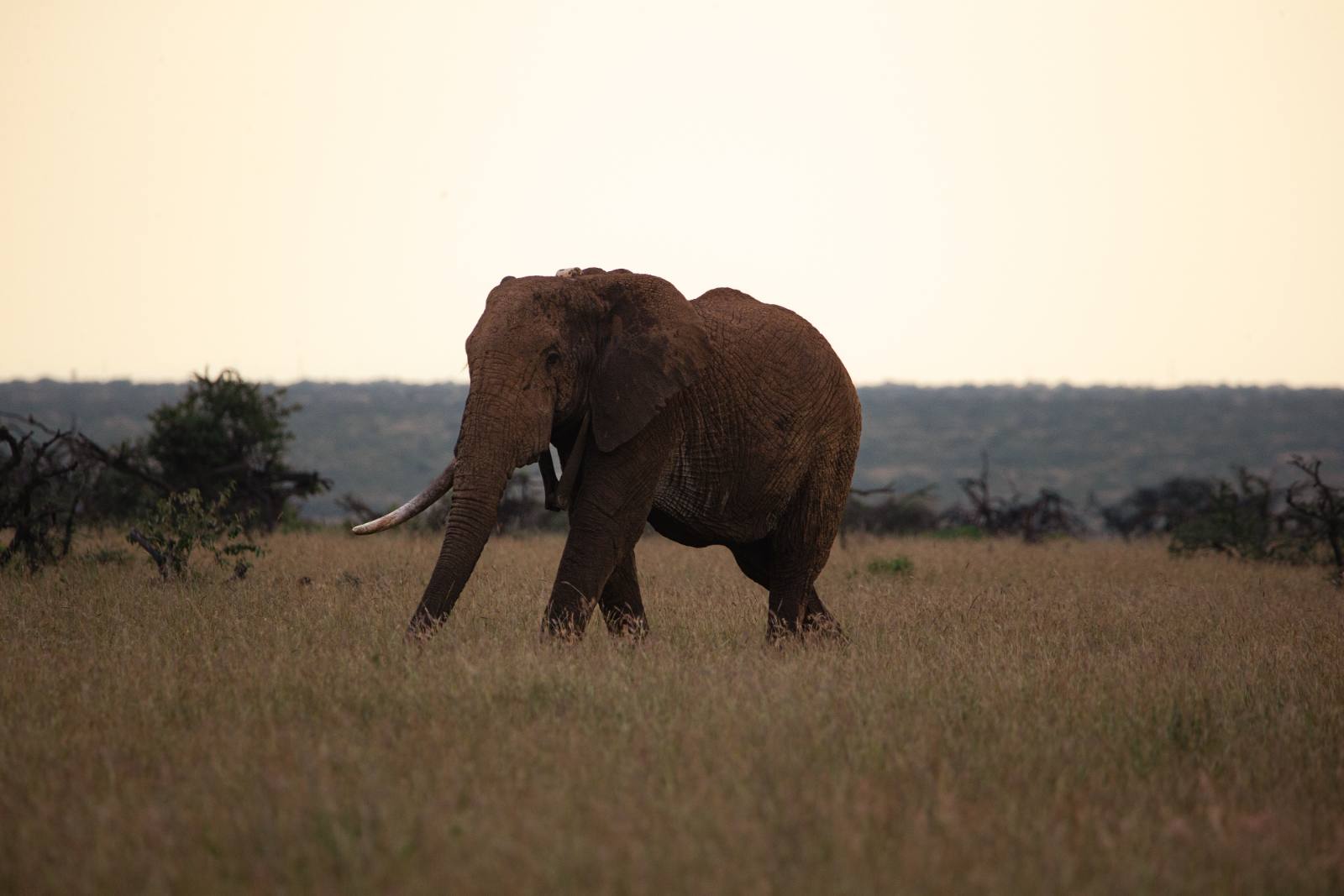
Today, Uganda’s elephant population has recovered to around 6,800. In places like Queen Elizabeth, Murchison Falls, Kibale, and Kidepo Valley, elephants are once again part of everyday life. That recovery is something the country can be proud of. But for people living along park boundaries, it has also brought elephants back into their fields, their gardens, and sometimes right up to their doorsteps. For these families, an elephant is not viewed as a conservation success. It is a night spent awake, guarding a maize plot. It is a season’s harvest lost in a few hours. It is the school fees that cannot be paid because the crops are gone.
That recovery has created two distinct challenges, and two distinct responses: protecting the farming families who now live alongside a growing elephant population along park boundaries, and restoring Pian Upe Wildlife Reserve as a functioning ecosystem.
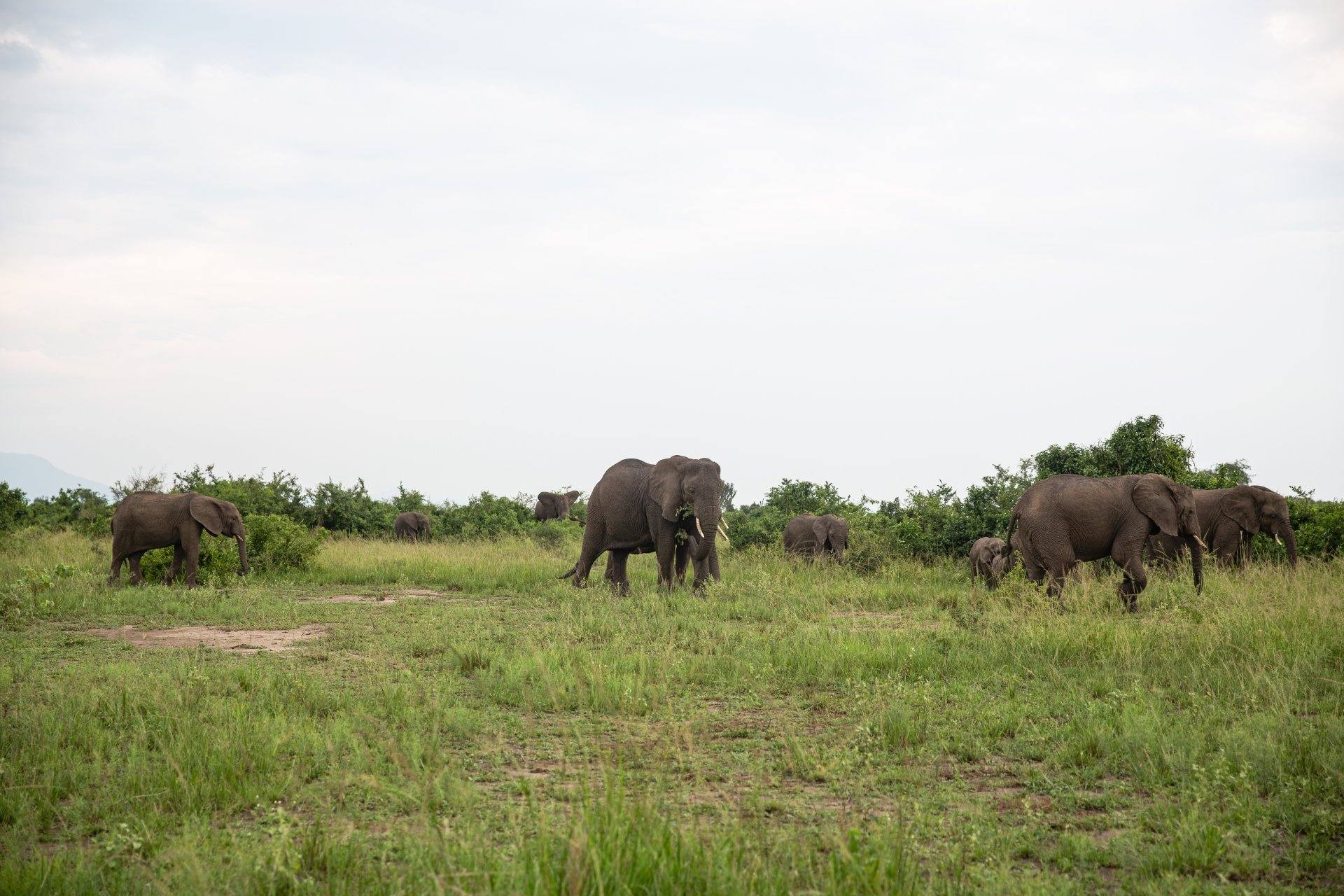
Elephants returned. So did the conflict
In the 1980s, Uganda came close to losing its elephants altogether. Today, 6,800 have returned. That recovery is extraordinary. But for the families living along park boundaries, it has brought elephants back into their fields, their gardens, and onto their doorsteps.
Human-Elephant Conflict
We currently deploy two dedicated technical experts on the ground, working alongside Uganda Wildlife Authority teams to ensure fences are designed properly, built to the highest standard, and located where they will have the greatest impact.
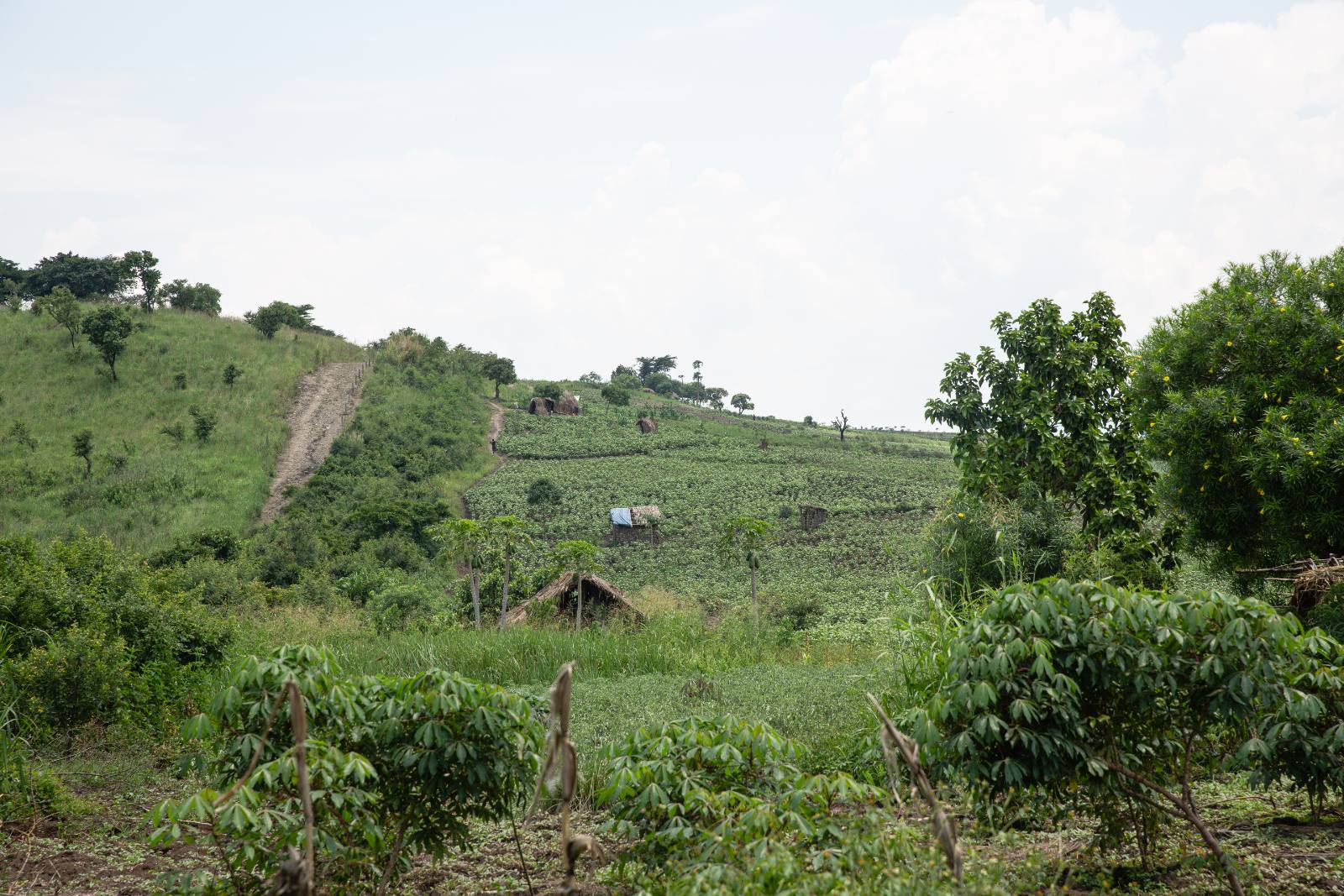
250 Kilometres of Change
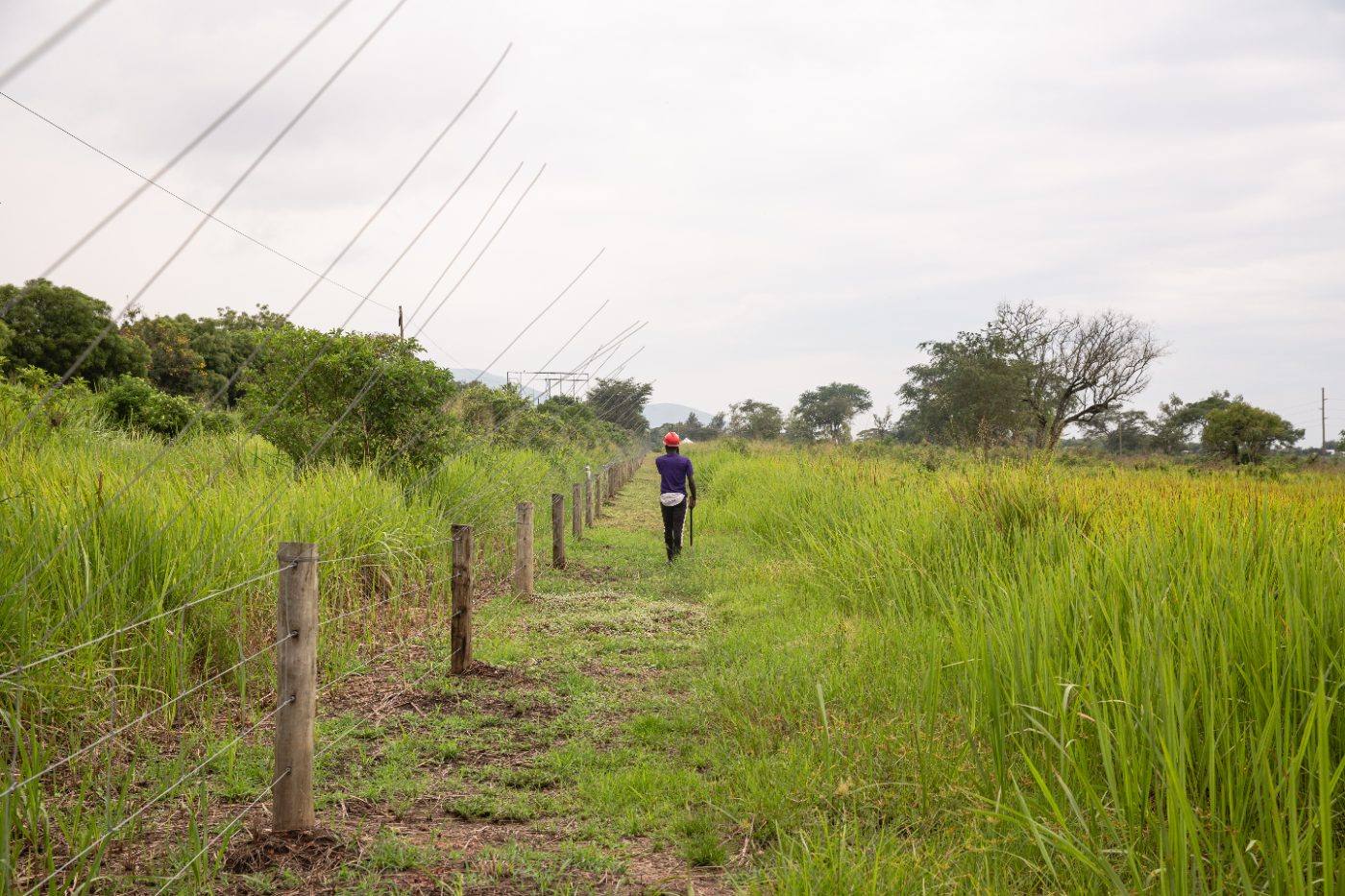
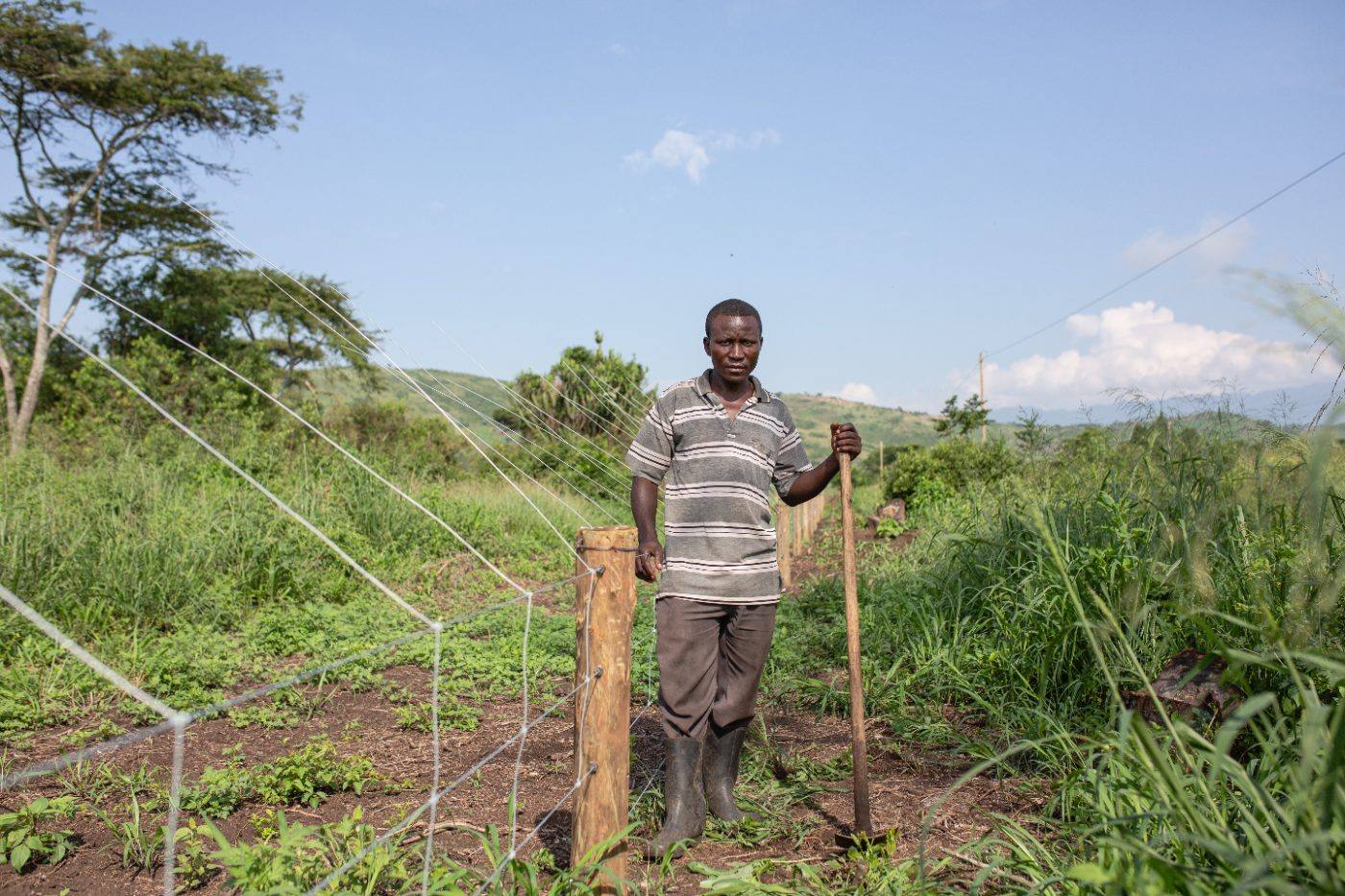
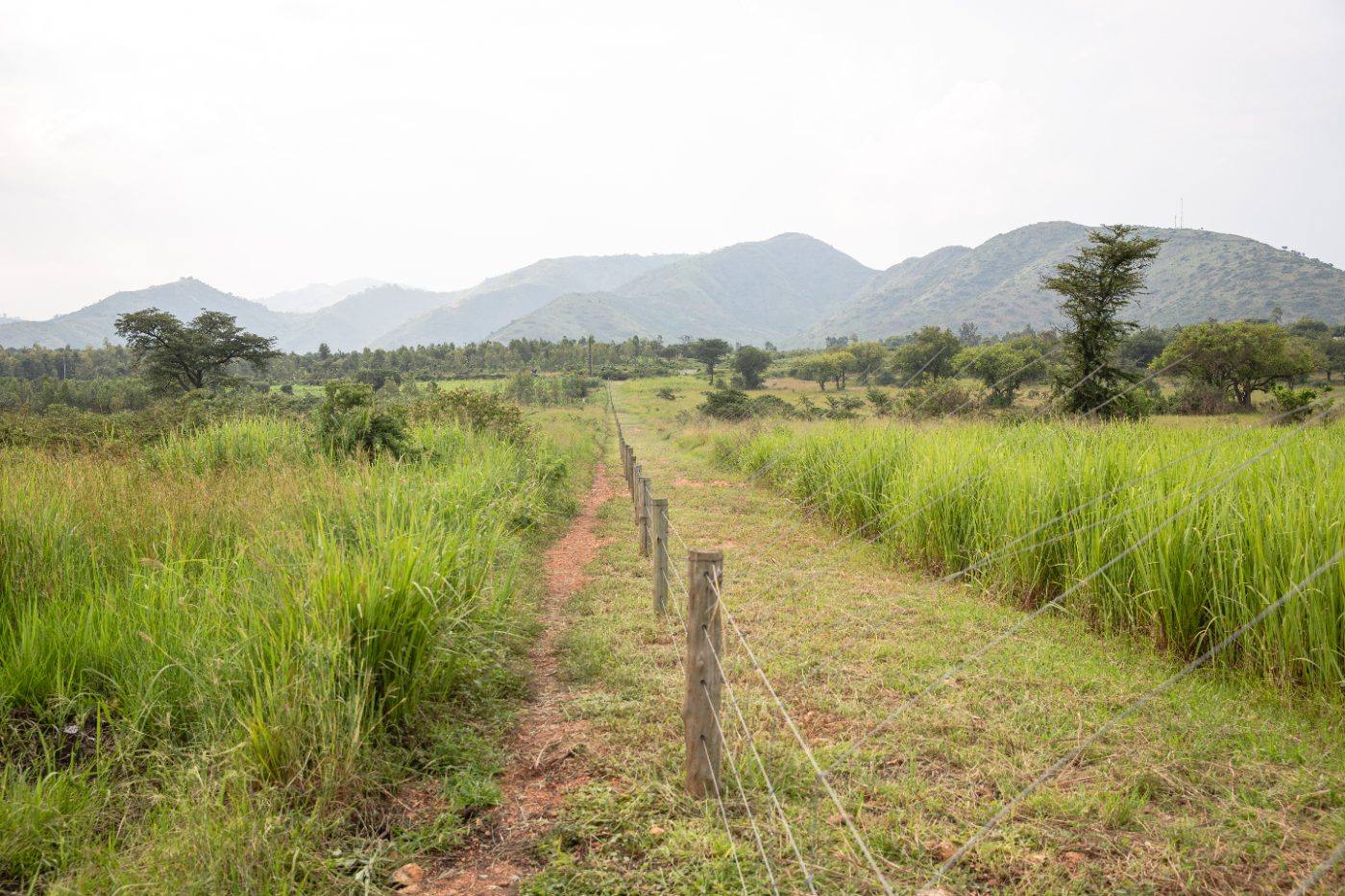
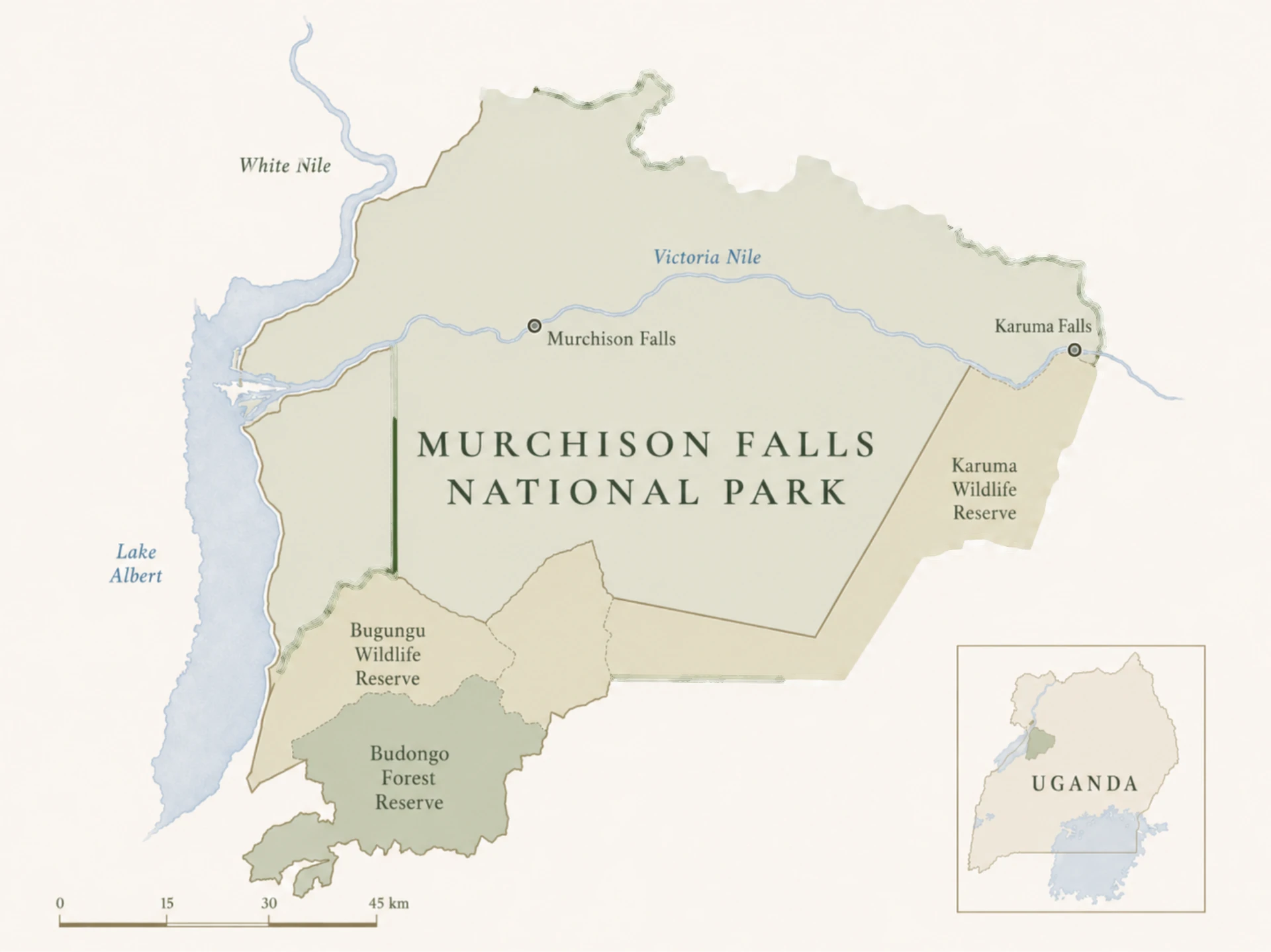
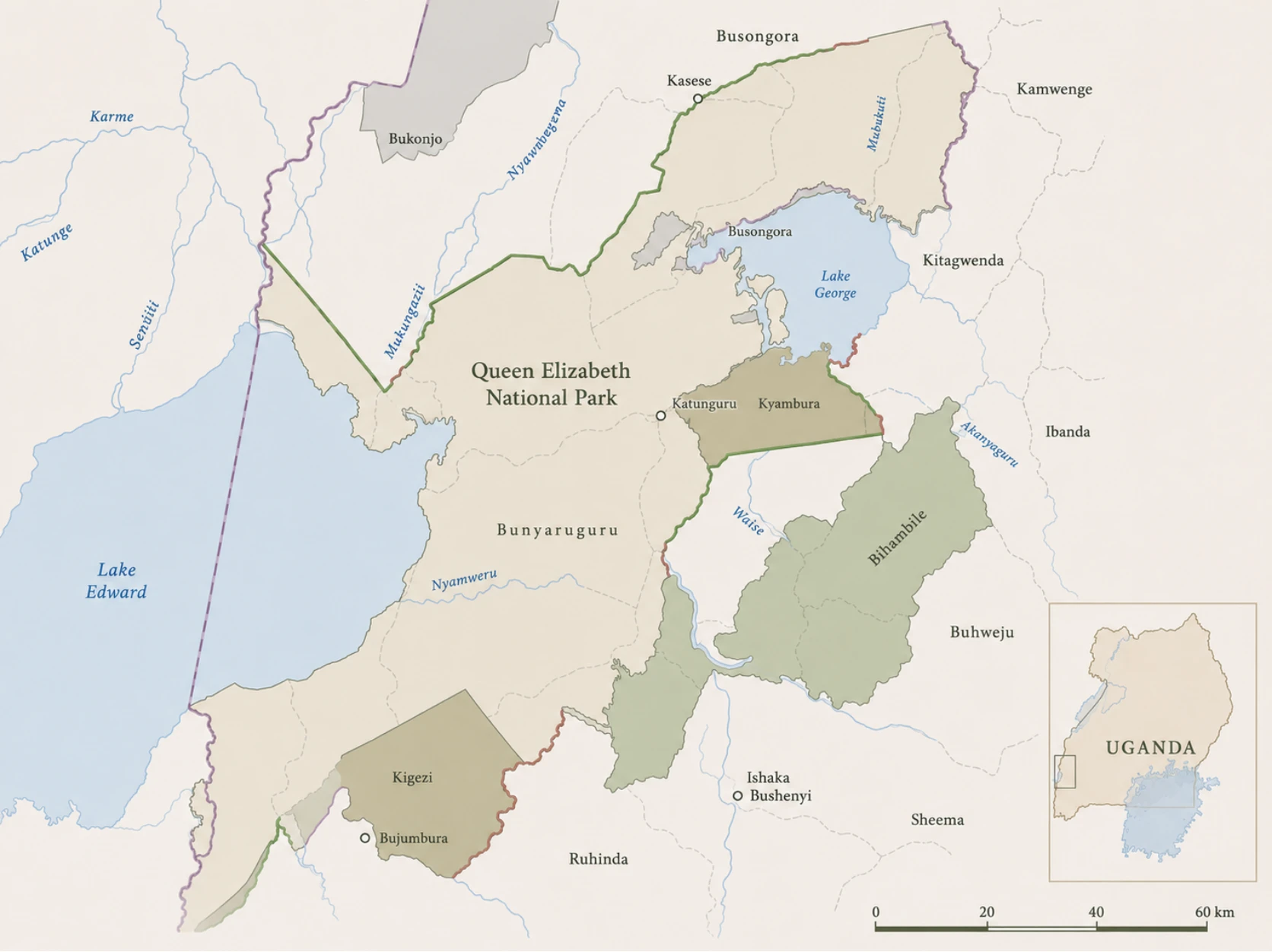
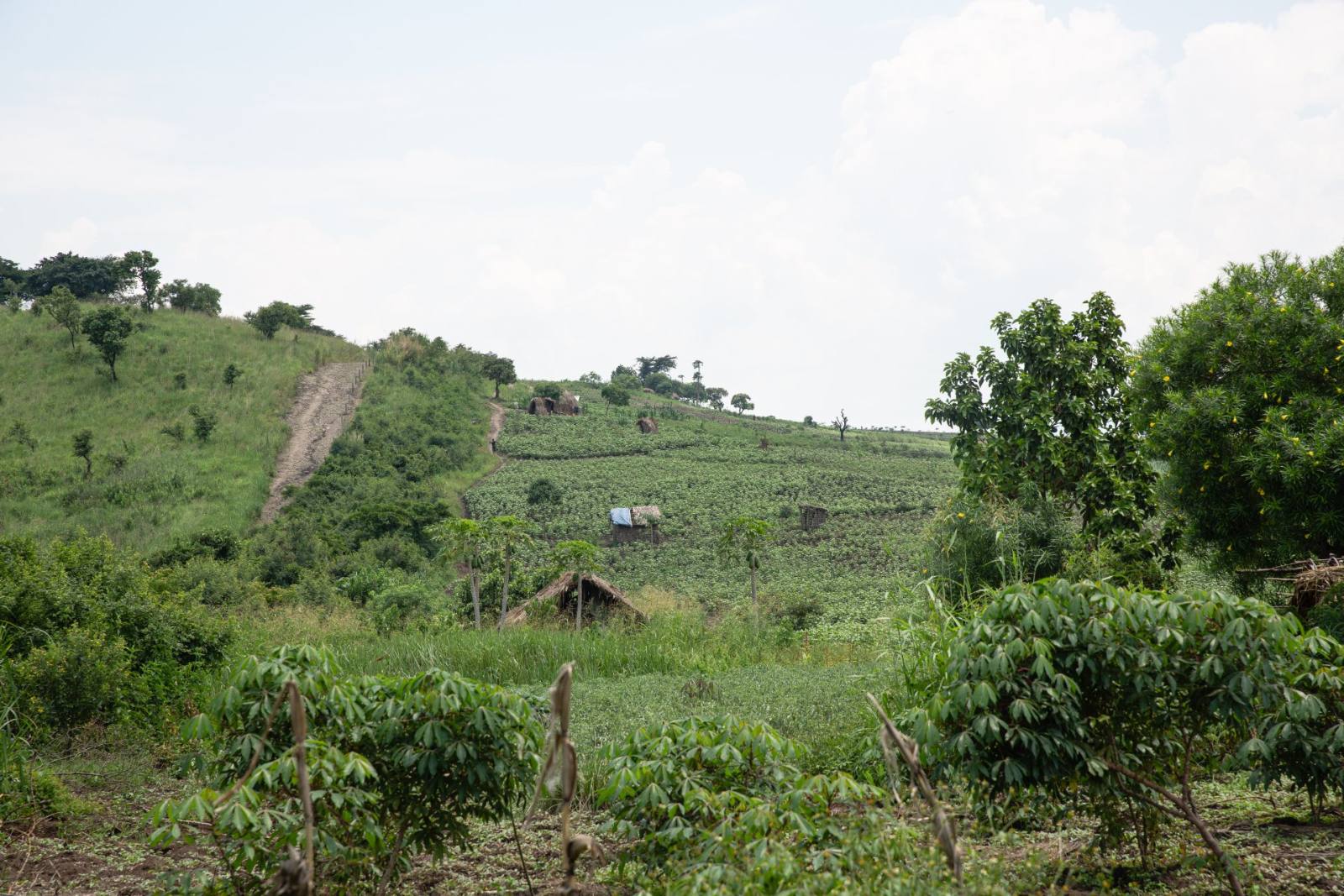
In 2018, we introduced electric fencing to Uganda as a practical way to break this cycle, building on experience and expertise in Laikipia in Kenya. From a pilot fence along Kyambura Wildlife Reserve on the boundary of Queen Elizabeth, nearly 250 kilometres of electric fences now stretch along the boundaries of Uganda’s two leading protected areas. In 2025 alone, a further 75 kilometres of new fencing was added, extending protection to thousands more farming families living along park boundaries.
The results have been immediate and profound. 88% of farmers surveyed reported an increase in crop harvests. Land values have increased by 87% after fence construction. Farmers who had been losing harvests year after year can now plant with confidence. And perhaps most importantly, attitudes towards elephants have started to shift, from fear and anger to cautious acceptance, and in some places, genuine pride.
National policy, now scaling it
The Uganda Wildlife Authority has adopted electric fencing as national policy. The task for 2026 is scaling it. We will continue extending fence coverage along the boundaries of Uganda’s most affected protected areas, while working alongside the Uganda Wildlife Authority to ensure the maintenance and rapid-response systems that make the existing 248 kilometres effective can be replicated as the network grows.
The signs of recovery became impossible to ignore
Pian Upe Wildlife Reserve is Uganda’s second-largest protected area. In the past, elephants and rhinos roamed its plains. They were lost to poaching. In 2025, the work of restoration deepened.
Where Pian Upe sits
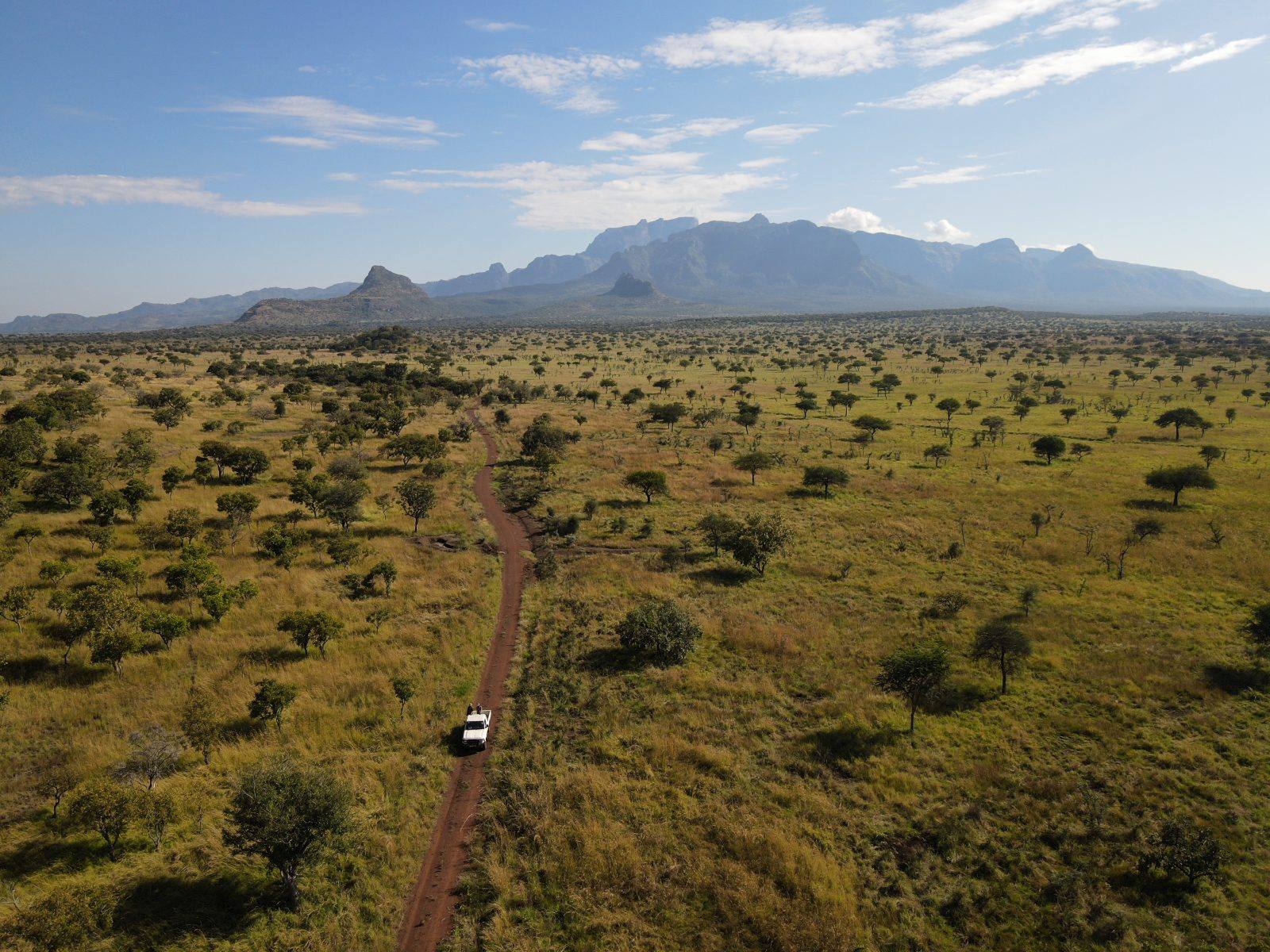
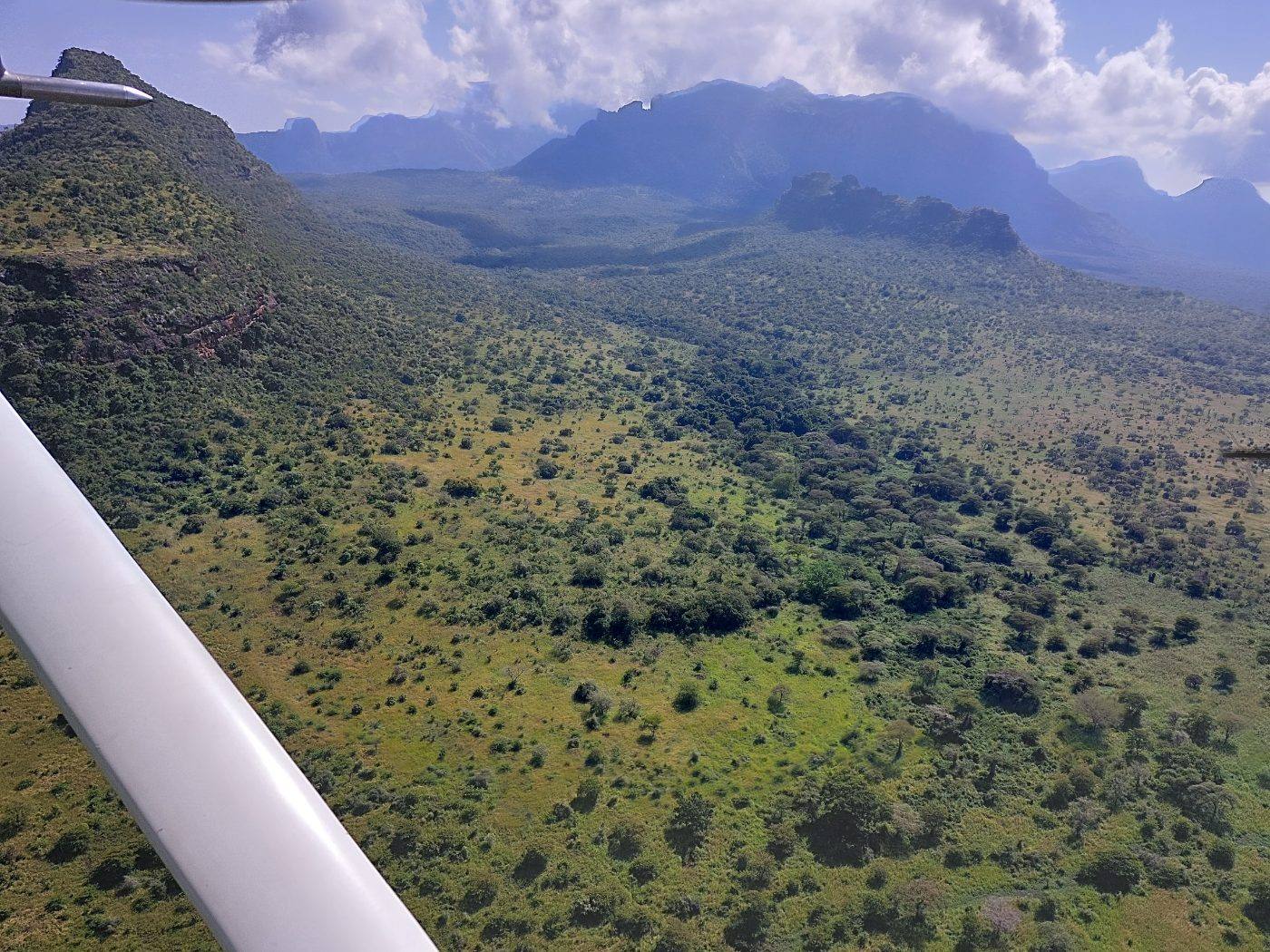
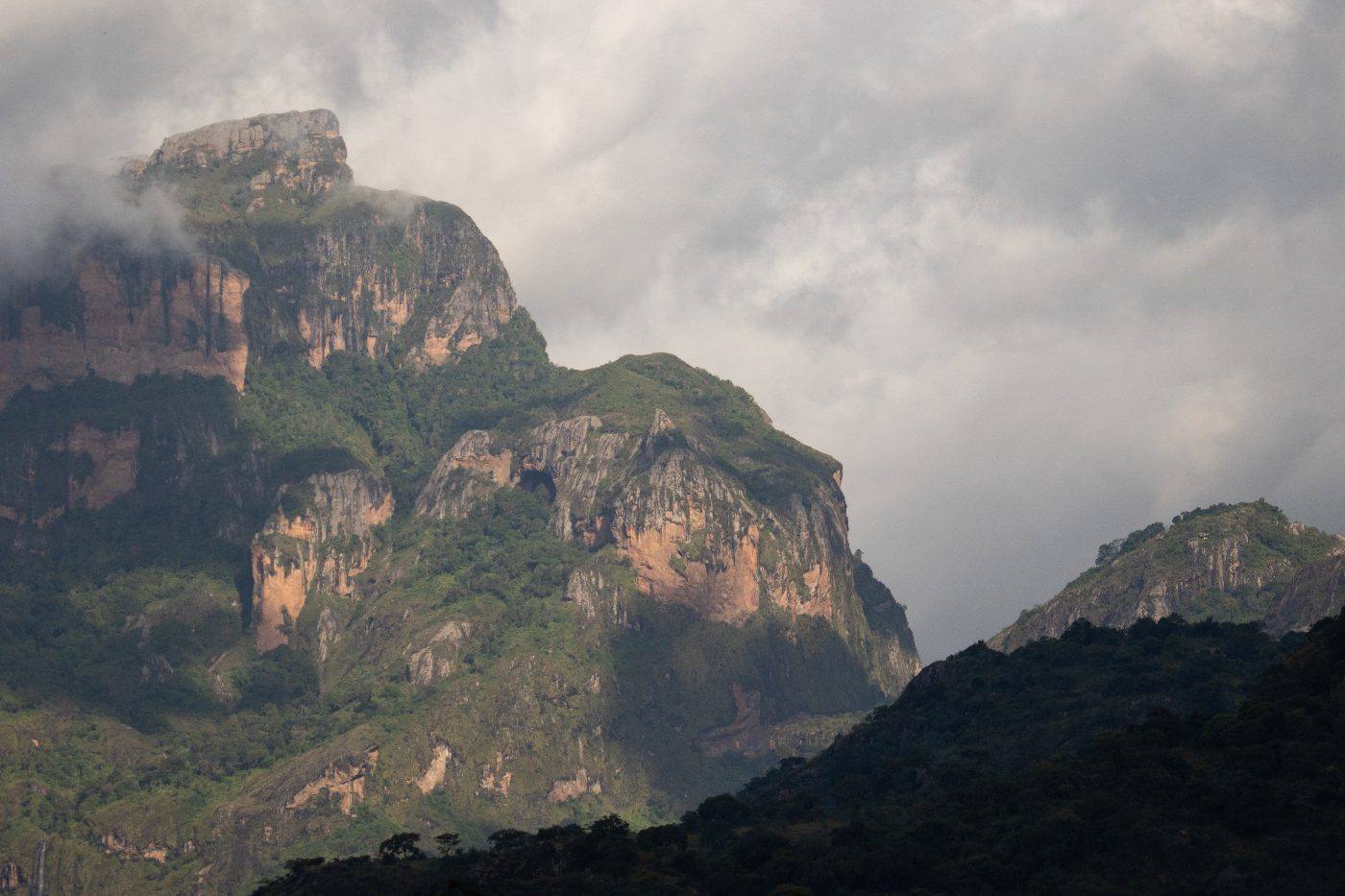
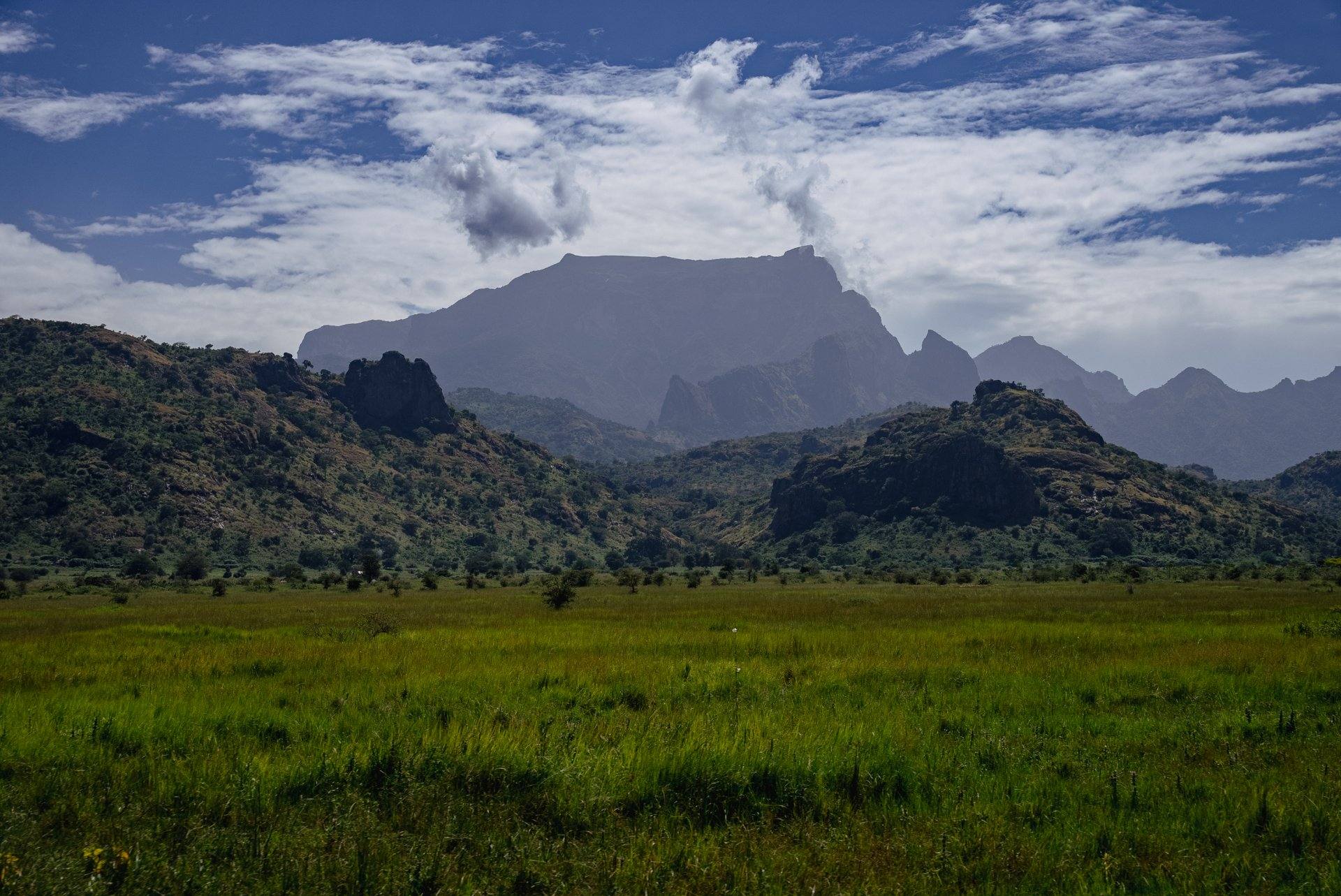
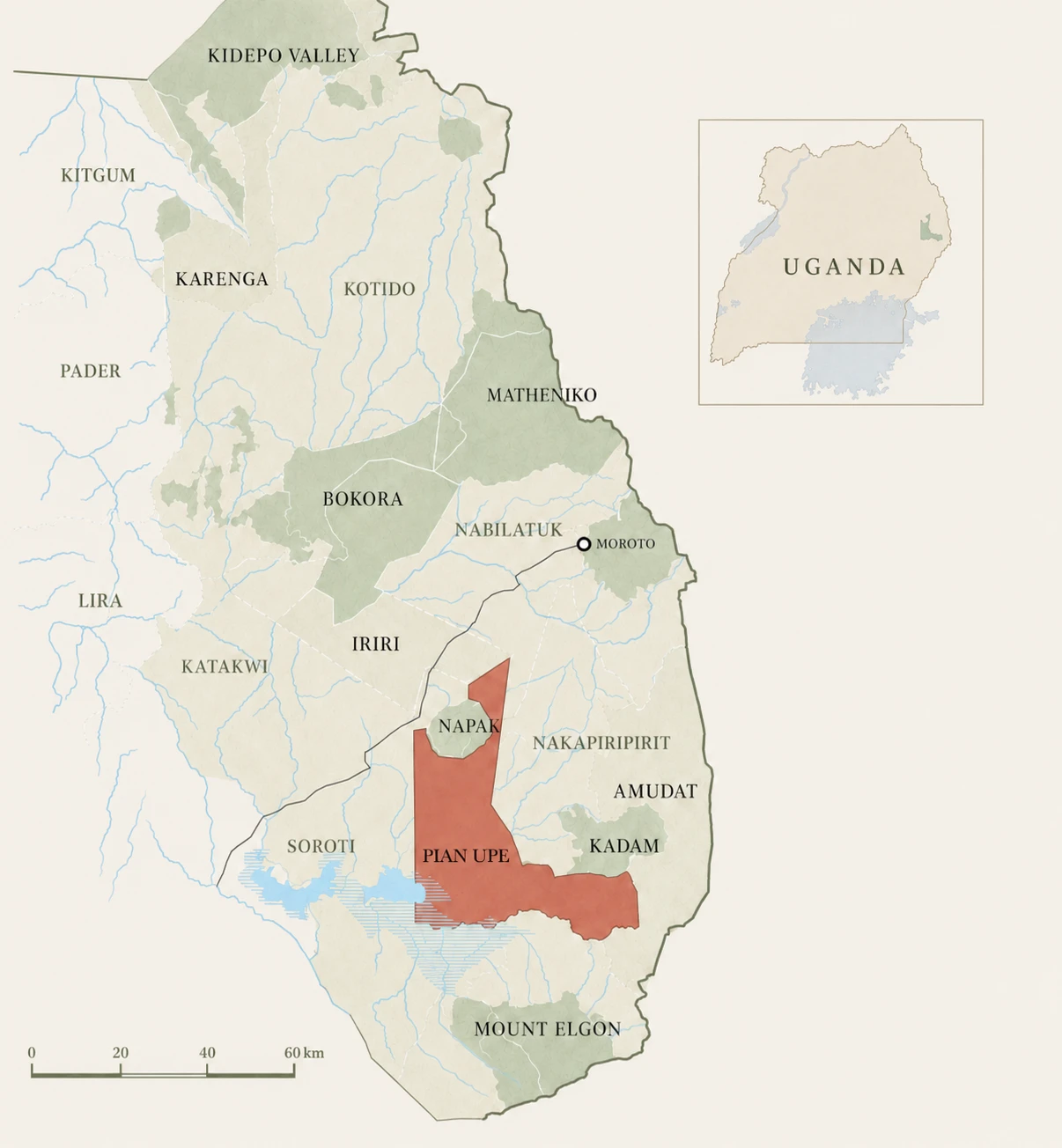
Pian Upe Wildlife Reserve lies in Karamoja, north-eastern Uganda, stretching across 2,040 square kilometres of savanna between Mount Elgon to the south and Kidepo Valley to the north. It is Uganda’s second-largest protected area, and one of its least known.
Remote, under-resourced, and long overlooked, it is precisely the kind of landscape our model exists for: a reserve with extraordinary ecological potential, surrounded by communities whose trust must be earned for its recovery to last.
We operate as co-management partner to the Uganda Wildlife Authority at Pian Upe Wildlife Reserve, combining on-the-ground ranger capacity, ecological monitoring, and community engagement with the long-term financial structuring, such as the carbon agreement now in place, needed to make the reserve self-sustaining. The wildlife recovery and community progress described below are the result of that combination, not of any single intervention working alone.
Their return is one of conservation’s most powerful symbols
2025 marked a year of accelerated development at Pian Upe Wildlife Reserve, with a surge in activity across our programmes supported by a generous anchor donor. An aerial wildlife survey conducted in March recorded a 4.5% increase in wildlife numbers compared to the previous survey in 2023, demonstrating the slow but steady recovery of wildlife in Pian Upe. In June, a second Integrated Management Effectiveness Tool assessment showed a 7.68% improvement in management effectiveness against the 2023 baseline.
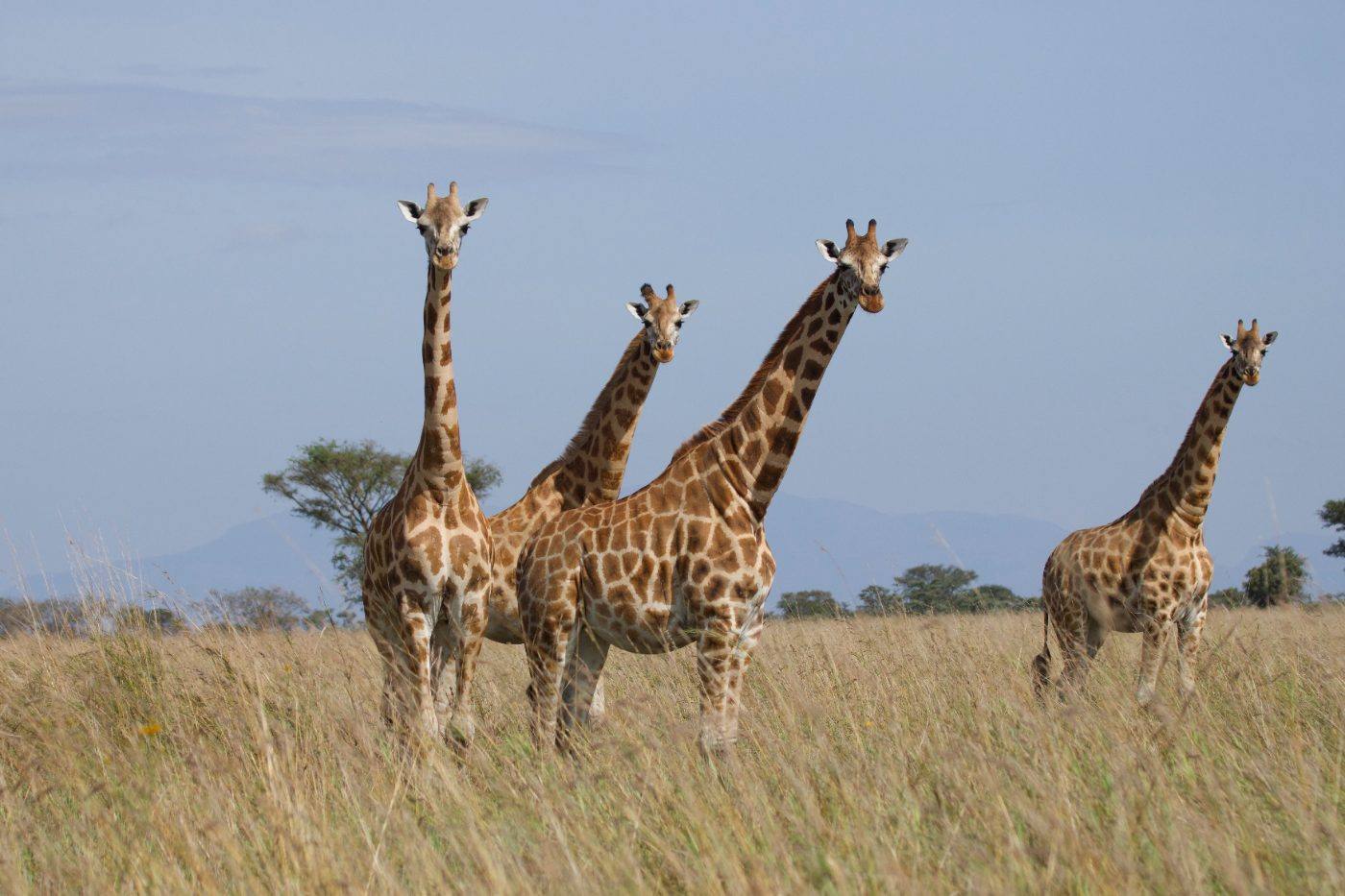
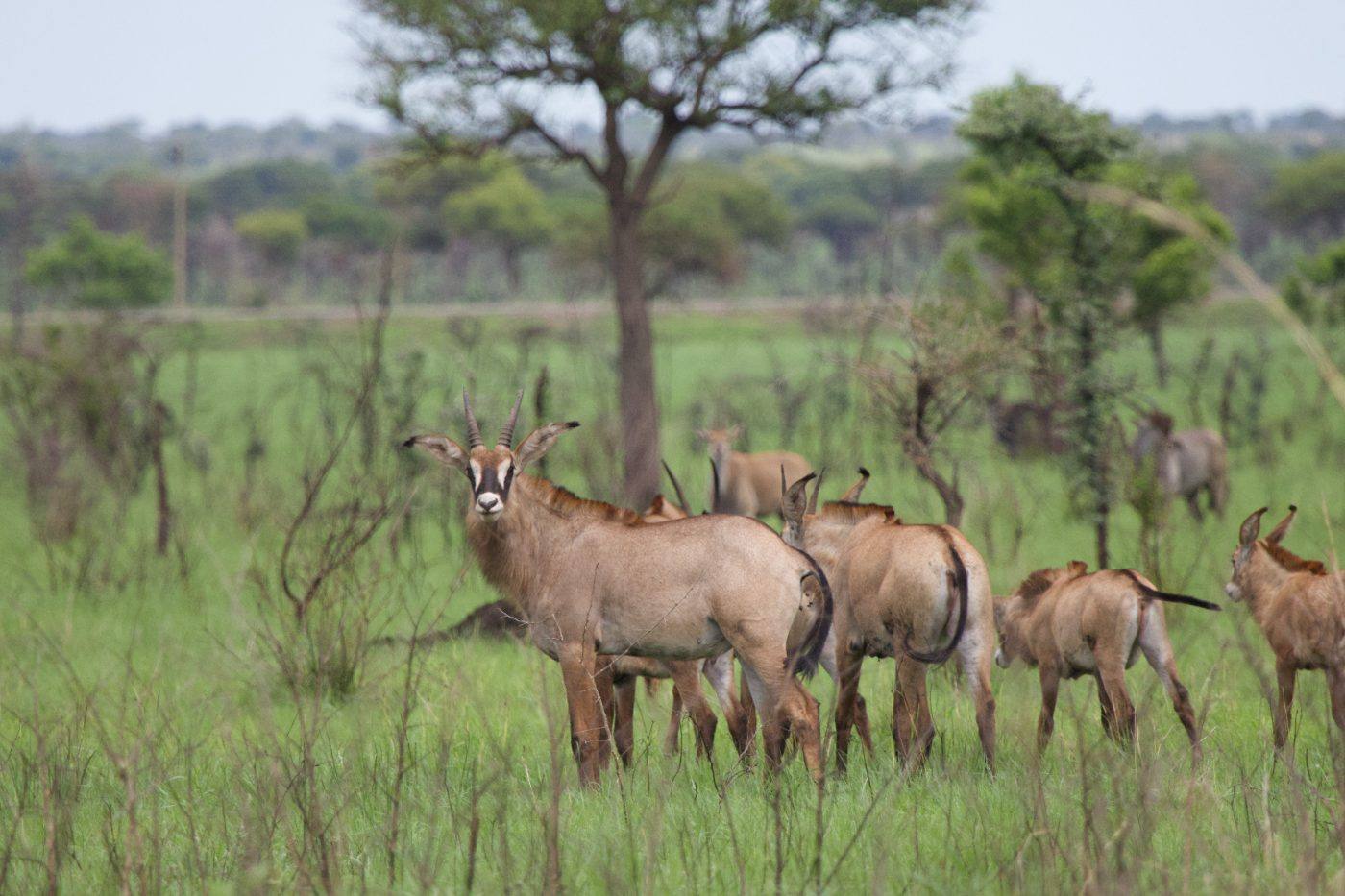
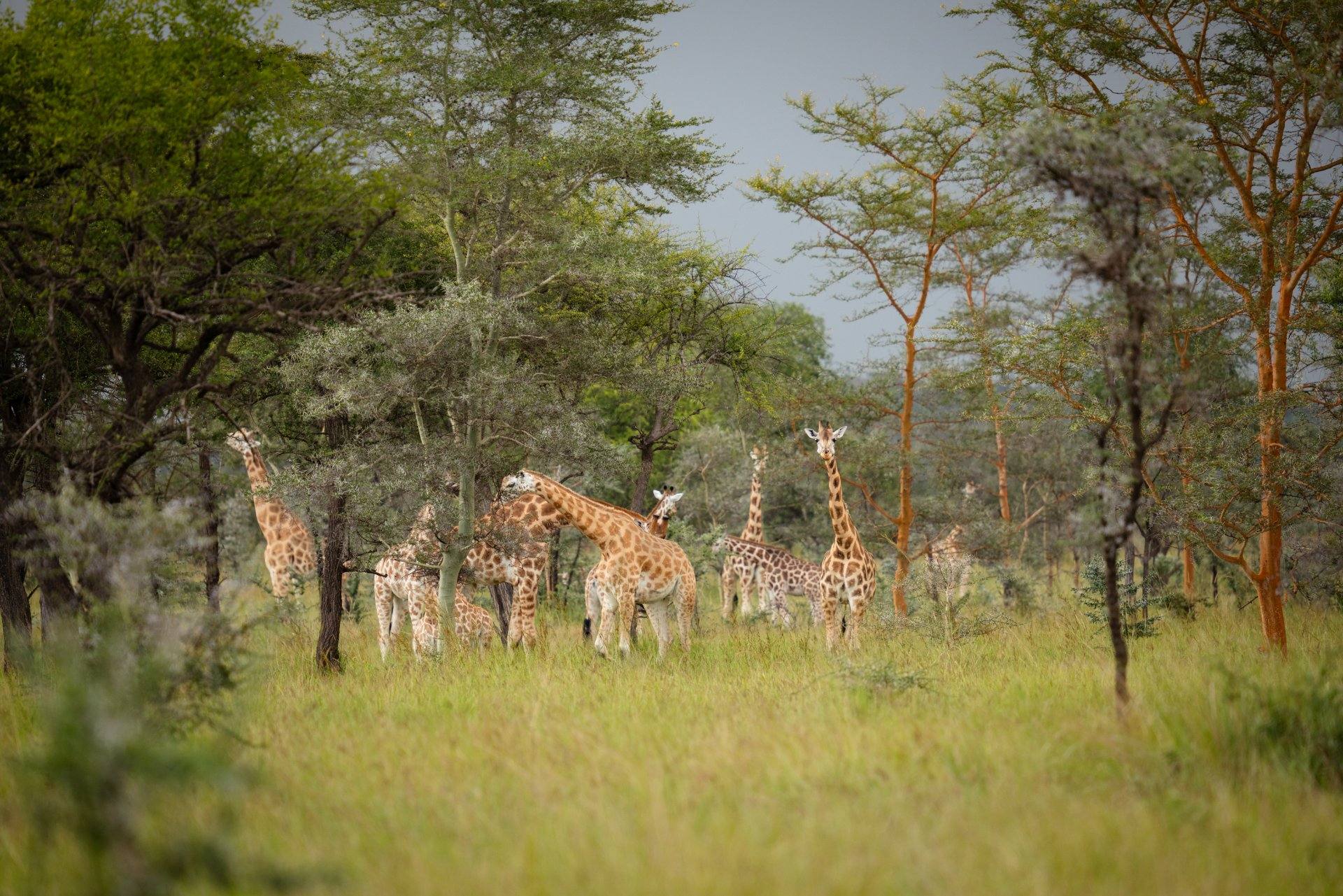
At the species level, the population of critically endangered reintroduced Nubian giraffes increased to 50 individuals, reinforcing Pian Upe’s growing importance as a stronghold for this threatened subspecies. The giraffes were poached to extinction in the reserve within living memory. Their return and their growth is one of the most powerful symbols of what patient, disciplined conservation can achieve.
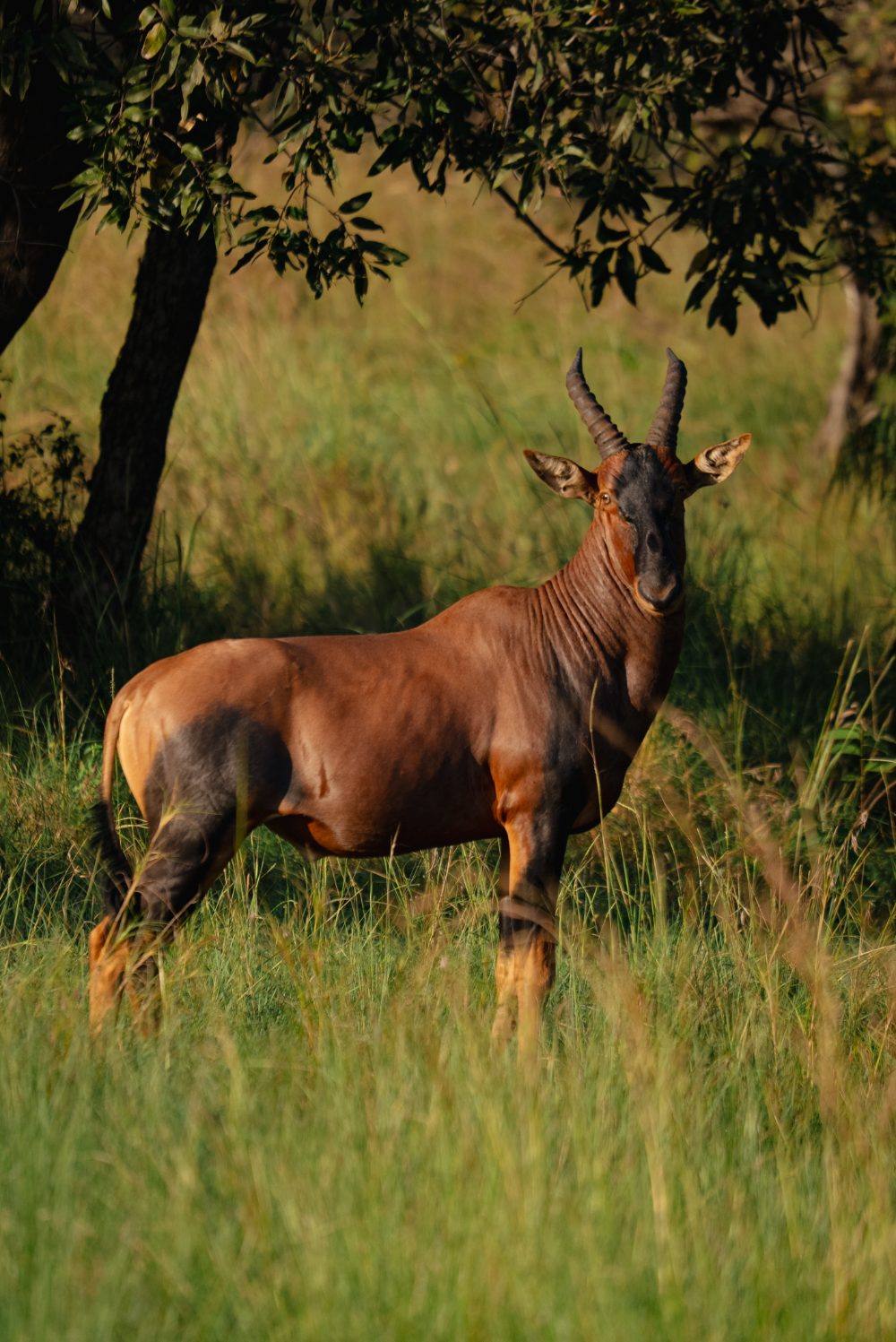
“The Topi population, nearly locally extinct in the 1990s, has rapidly increased over the last five years. The survey documents 18 species and 7,261 individual animals across an area covering 2,040 square kilometres.”
Trust is not a given. It must be earned
Throughout the year, our teams worked hand in hand with the Uganda Wildlife Authority and Karimojong Overland Safaris, deepening understanding of, and integration with, the communities living around the reserve. These communities are critical to the long-term survival of Pian Upe Wildlife Reserve. A major milestone was the implementation of an intensive Social Assessment for Protected Areas survey by our Community Conservation team, covering seven districts and collecting 684 completed surveys of 97 questions each.
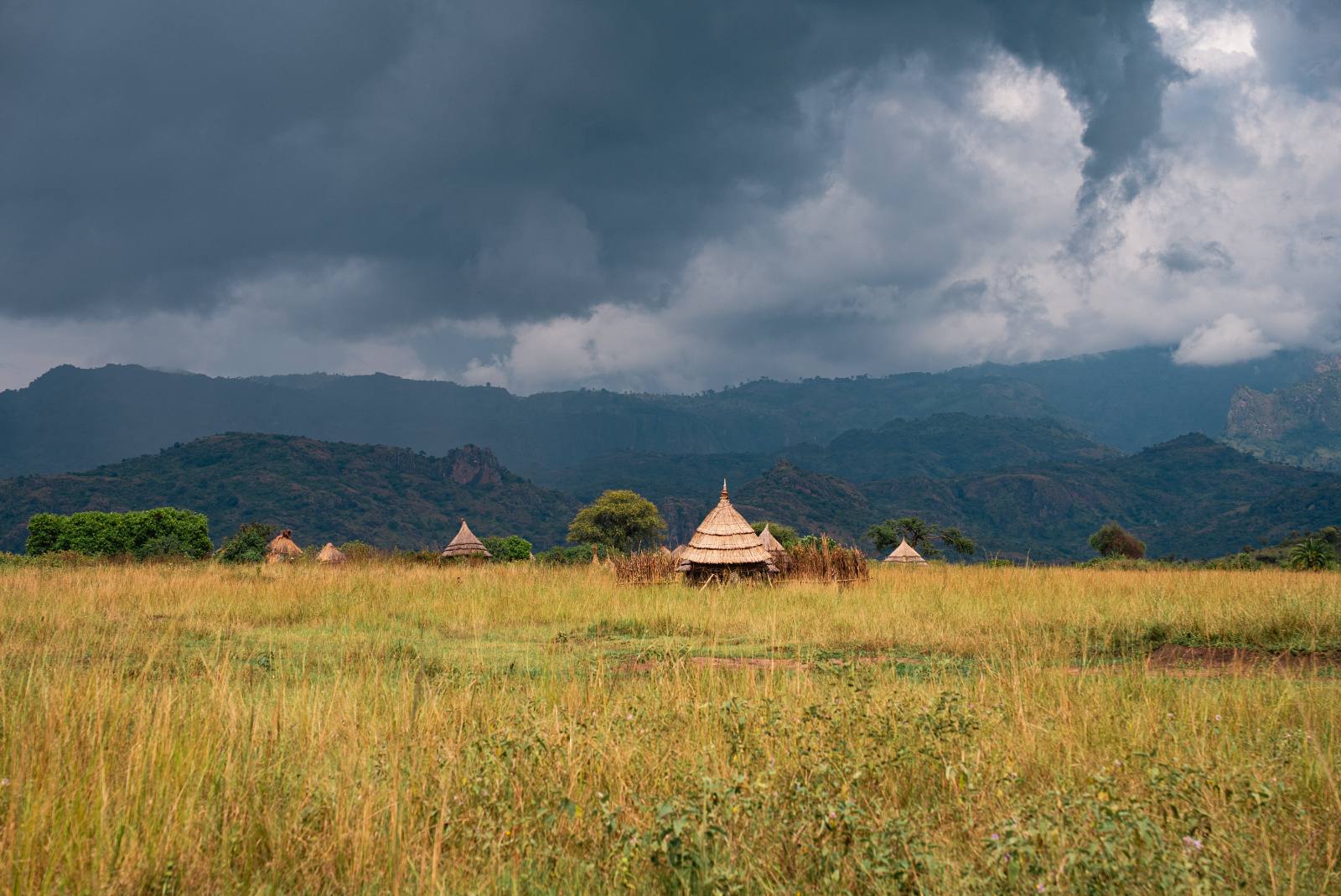
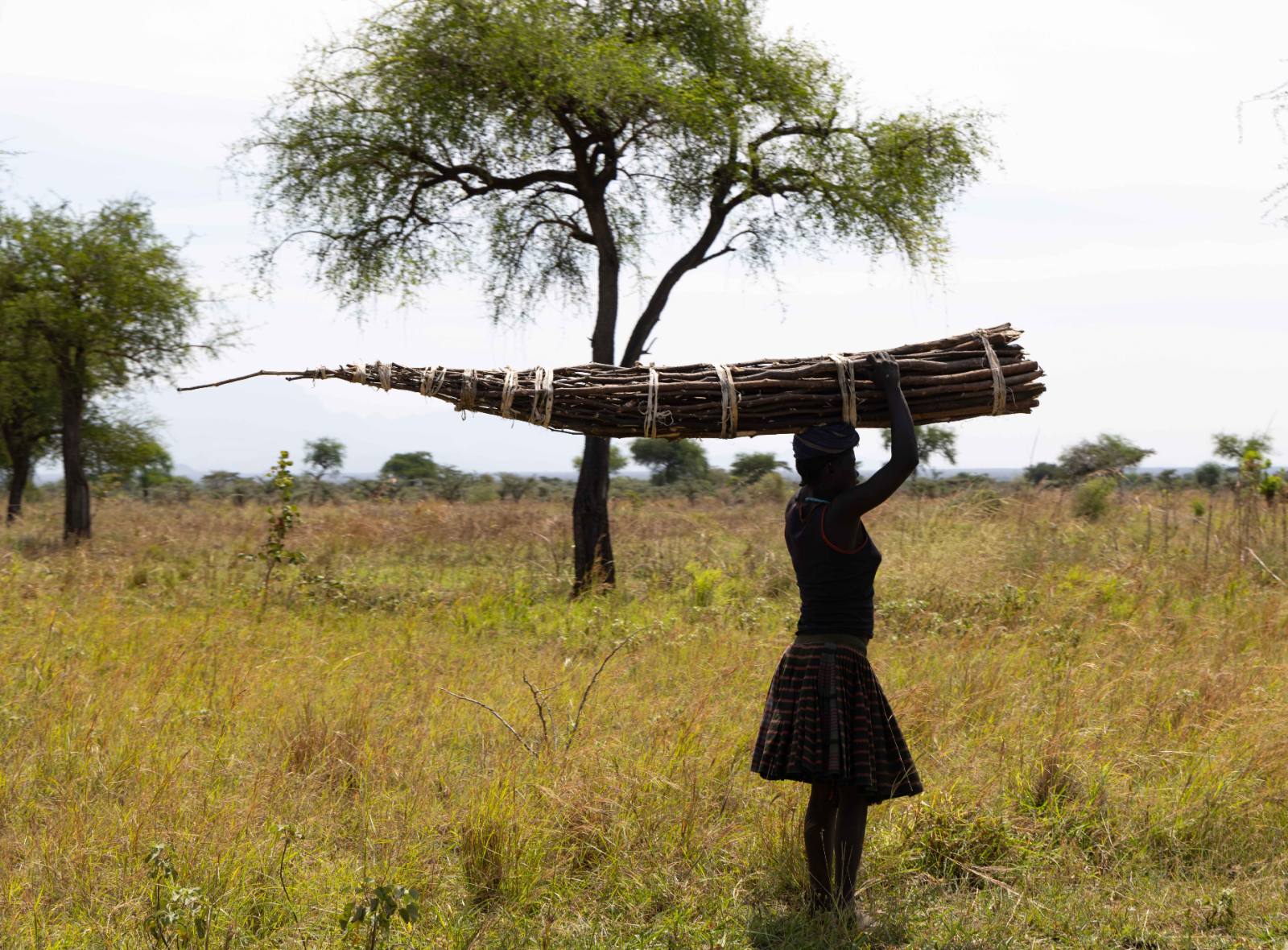
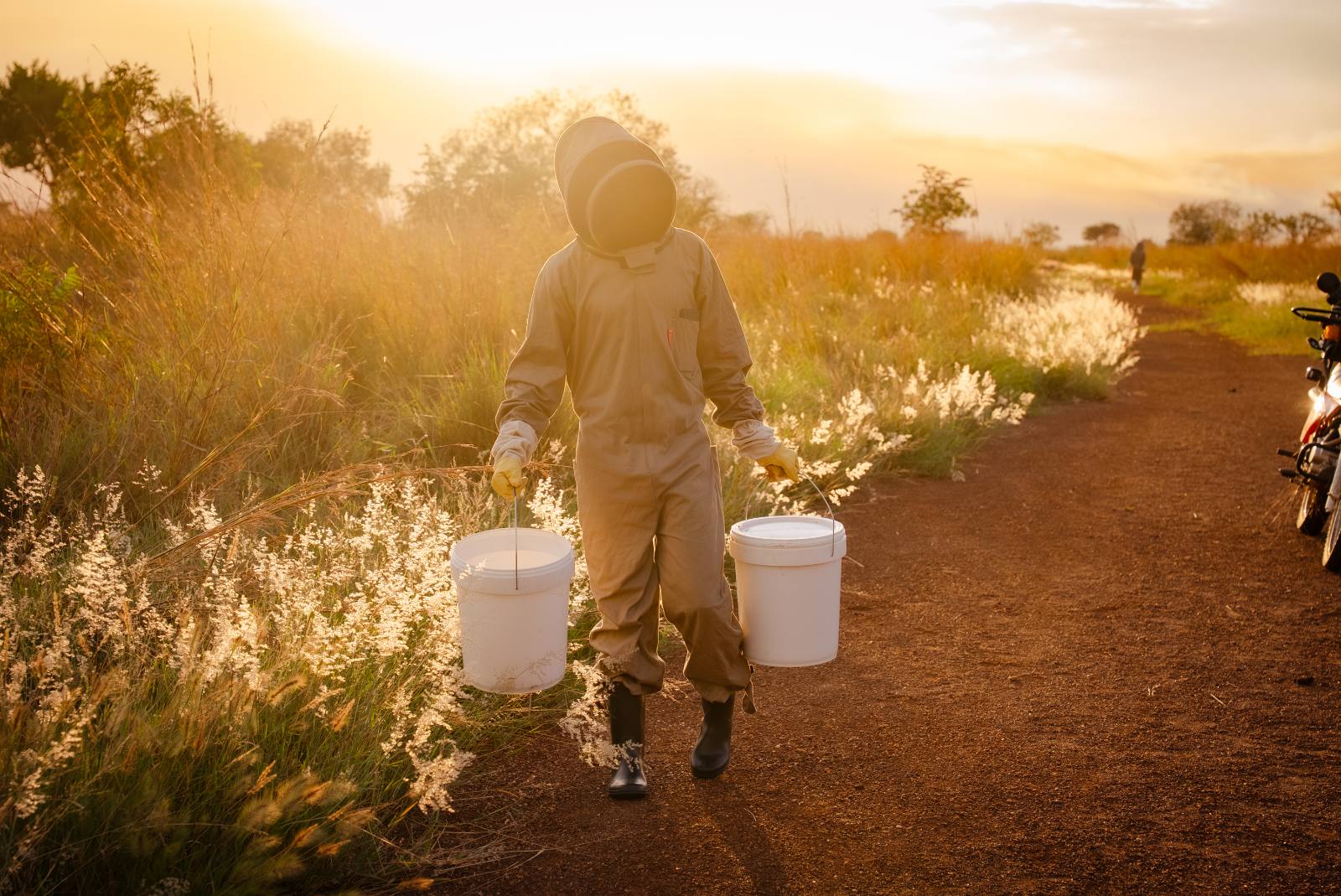
Only 31% of individuals interviewed felt positive about the impact of Pian Upe on their well-being. That finding demands honesty: it is the real baseline. The project and our continued investment must address this materially over the next three to five years. Community trust is not a given. It must be earned, steadily, through tangible benefits.
In response, two boreholes were completed in Lokoreto Village, Nakapiripirit, and Napoa Village, Nabilatuk, providing reliable water access to 598 households, approximately 3,500 people. Human-Wildlife Conflict teams expanded the use of non-lethal deterrents, vuvuzelas, reflective tape, torches, and ropes, to farmers in three districts, reaching 94 households and benefiting 732 people. Over the year, 56 community meetings were held, and 458 children from local schools visited the reserve to learn about conservation and the giraffe conservation programme.
Holding the line for a sanctuary under pressure
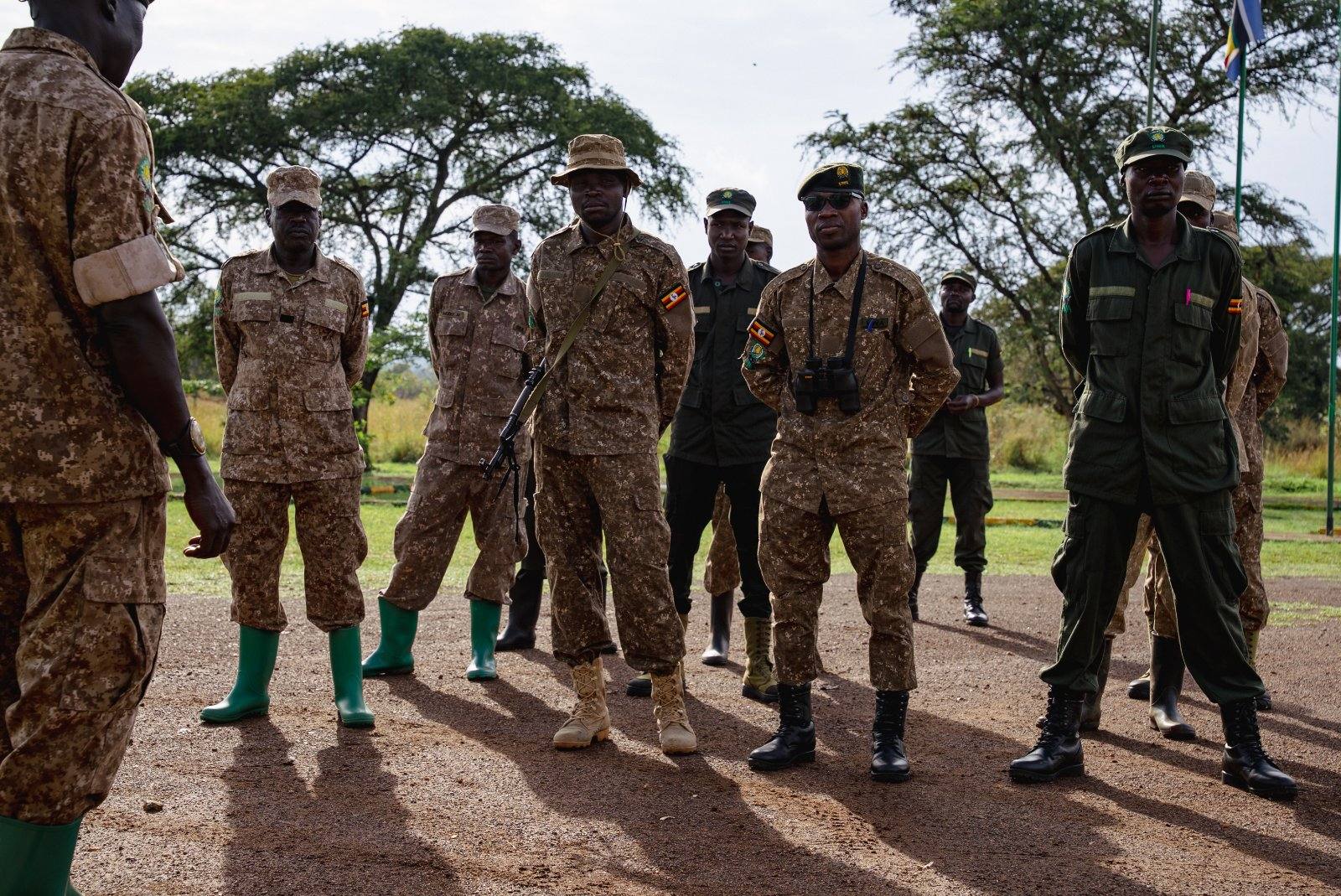
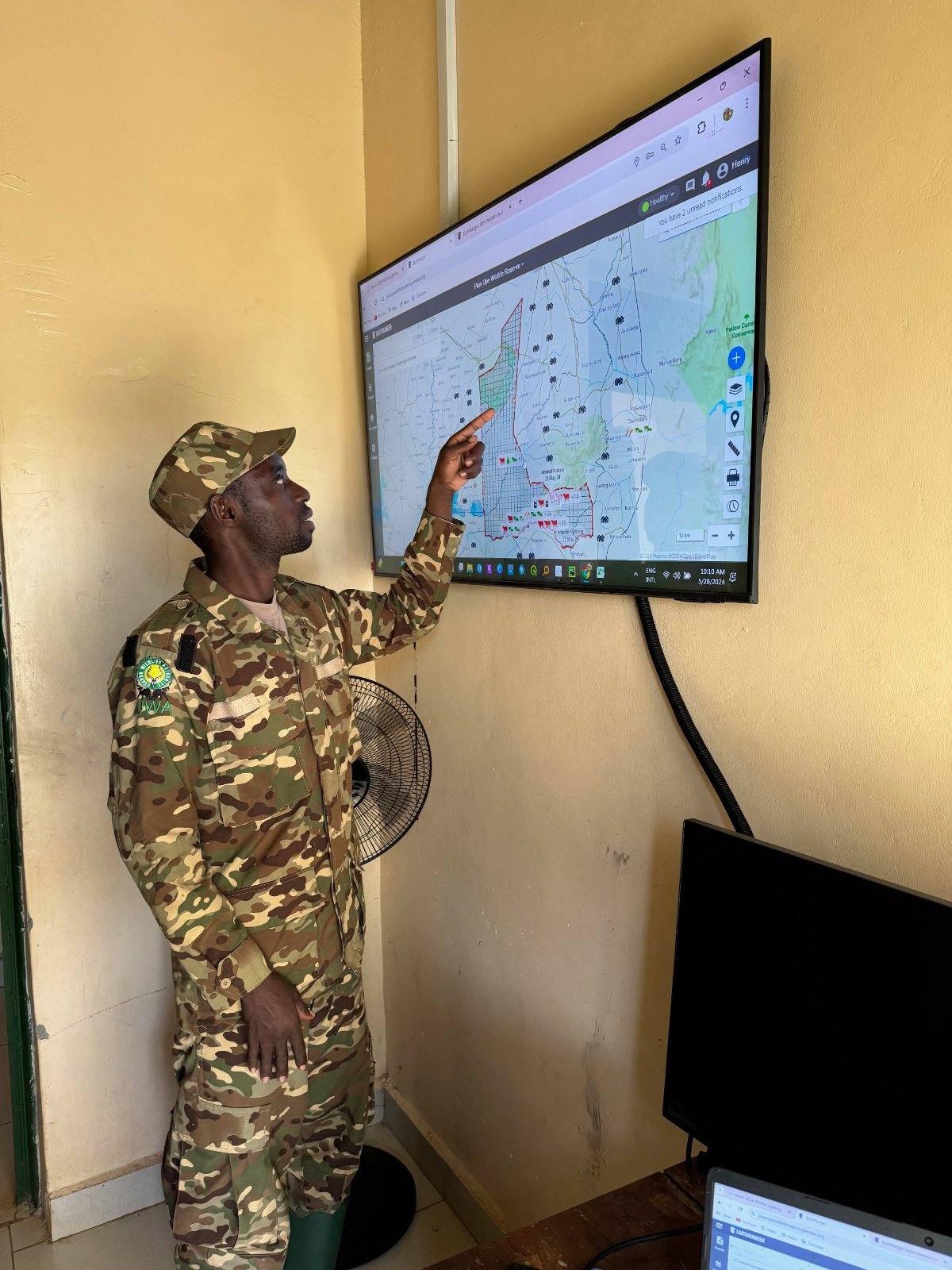
Pian Upe Wildlife Reserve continues to face high levels of illegal incursions, in particular, large numbers of cattle forced into the reserve by herders, often paid by cattle barons, causing significant ecological damage and growing pressure on the rangelands. This, together with the illegal wildlife, charcoal, and timber trades, undermines the rule of law and the role of Pian Upe as a sanctuary for Uganda’s endangered Eastern savanna species. In response, we strengthened the Law Enforcement department with the recruitment of Andrew Marshall as Law Enforcement Advisor, supported by major investments in vehicles, motorcycles, and ranger equipment. Over the year, rangers patrolled 4,196 kilometres and arrested 50 suspected criminals.
A reserve that will finance its own protection
2025 marked a landmark in securing long-term, sustainable financing for Pian Upe Wildlife Reserve. We completed a full carbon feasibility study in September, confirming that Pian Upe Wildlife Reserve has the potential to generate nearly 200,000 tonnes of carbon dioxide equivalent emission reductions per year over 40 years.
A 40-year agreement was signed with the Uganda Wildlife Authority for the development of a rangeland carbon project. The Project Design Document was completed in late 2025, and approval from the Ministry of Water and Environment is now awaited to officially launch the project, positioning the Pian Upe Wildlife Reserve Carbon Project as a cornerstone of the reserve’s financial sustainability, delivering climate, biodiversity, and community benefits simultaneously.
Pian Upe was nearly lost. Its giraffes were gone within living memory and hardly anyone outside Uganda knew its name. Watching this reserve come back to life, the animals, the rangers, the communities around it, has been a privilege. This is what happens when you back the people doing the real work.
Key Statistics, Pian Upe 2025
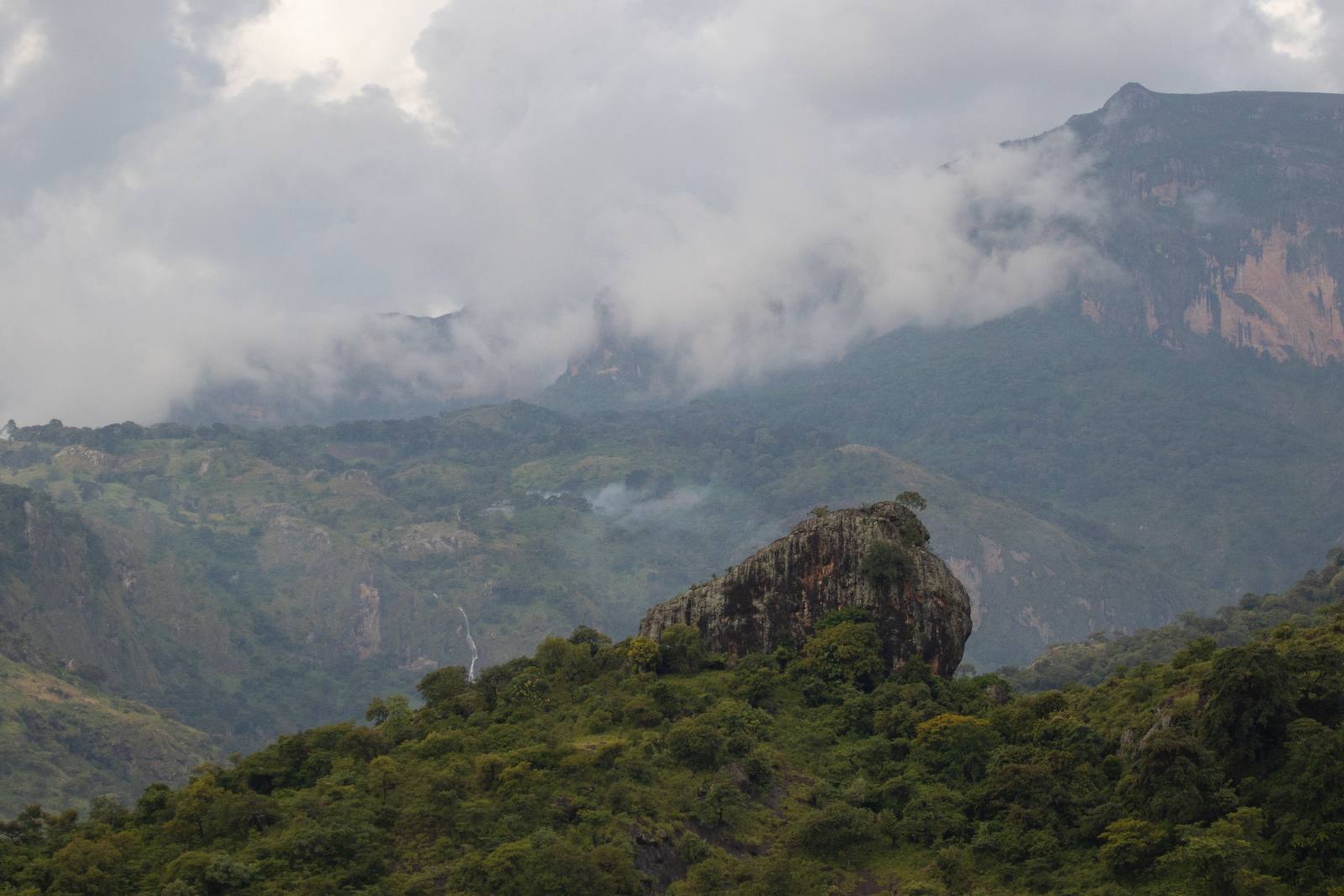
Pian Upe: converting potential into delivery
The year ahead is about converting potential into delivery. With the forty-year carbon agreement signed and the Project Design Document complete, the priority for 2026 is securing final government approval to launch the Pian Upe Wildlife Reserve Carbon Project, unlocking the financing that will fund the reserve’s protection for decades to come. Alongside this, addressing the community trust baseline revealed in this year’s survey work remains a multi-year commitment, not a box to tick. Real progress will be measured in whether more of Pian Upe’s neighbours feel the reserve’s presence as a benefit rather than a cost.
The wildlife and the fence line