In Kenya, 2025 delivered two defining milestones: a conservancy that opened its first tourist lodge and proved conservation can sustain itself financially, and an elephant fence that kept thousands of farming families safe through another hard season.
The moment the model became real
2025 was a defining year for Suyian Conservancy. The opening of the andBeyond lodge changed everything.
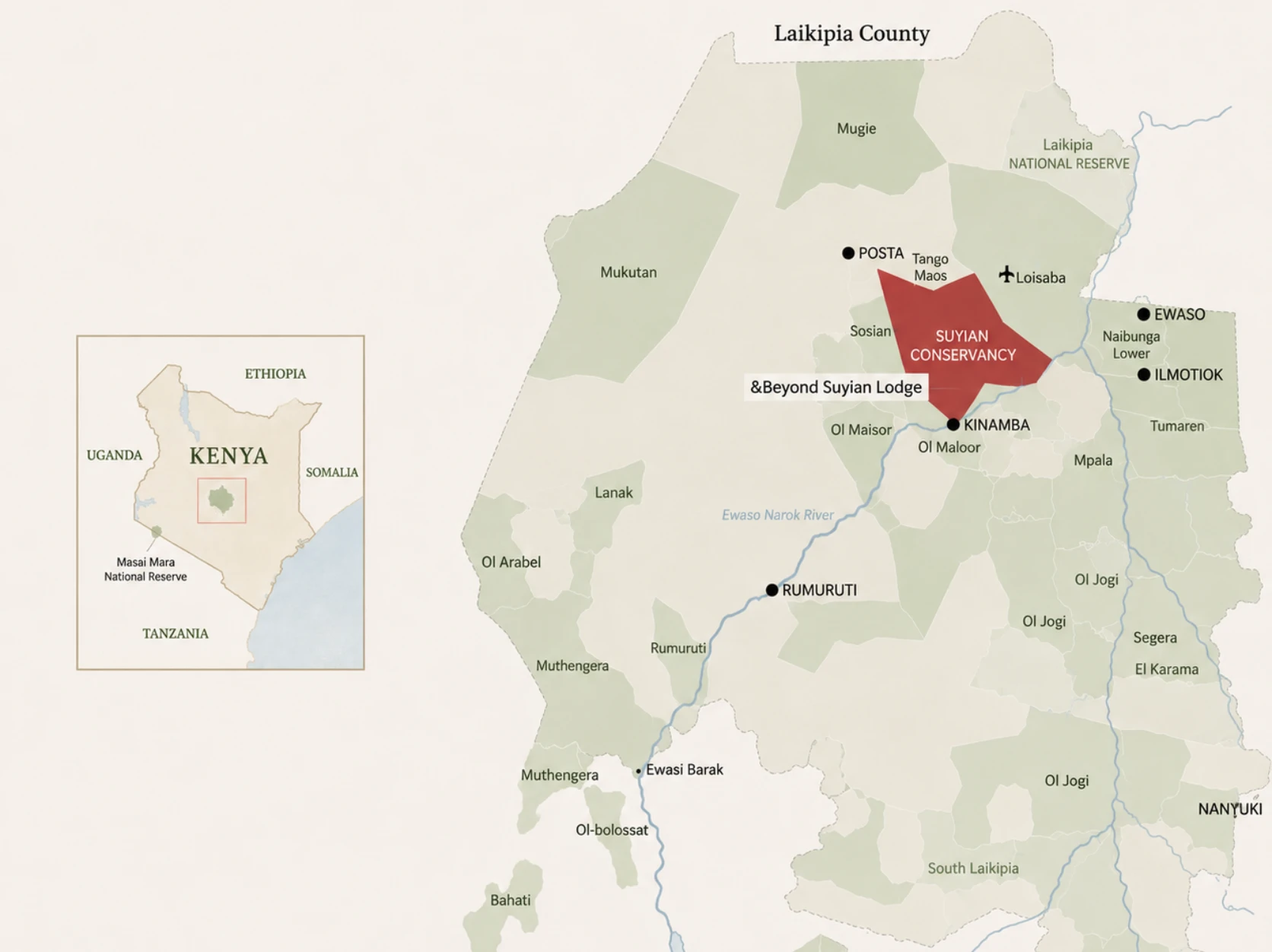
Where Suyian Conservancy sits
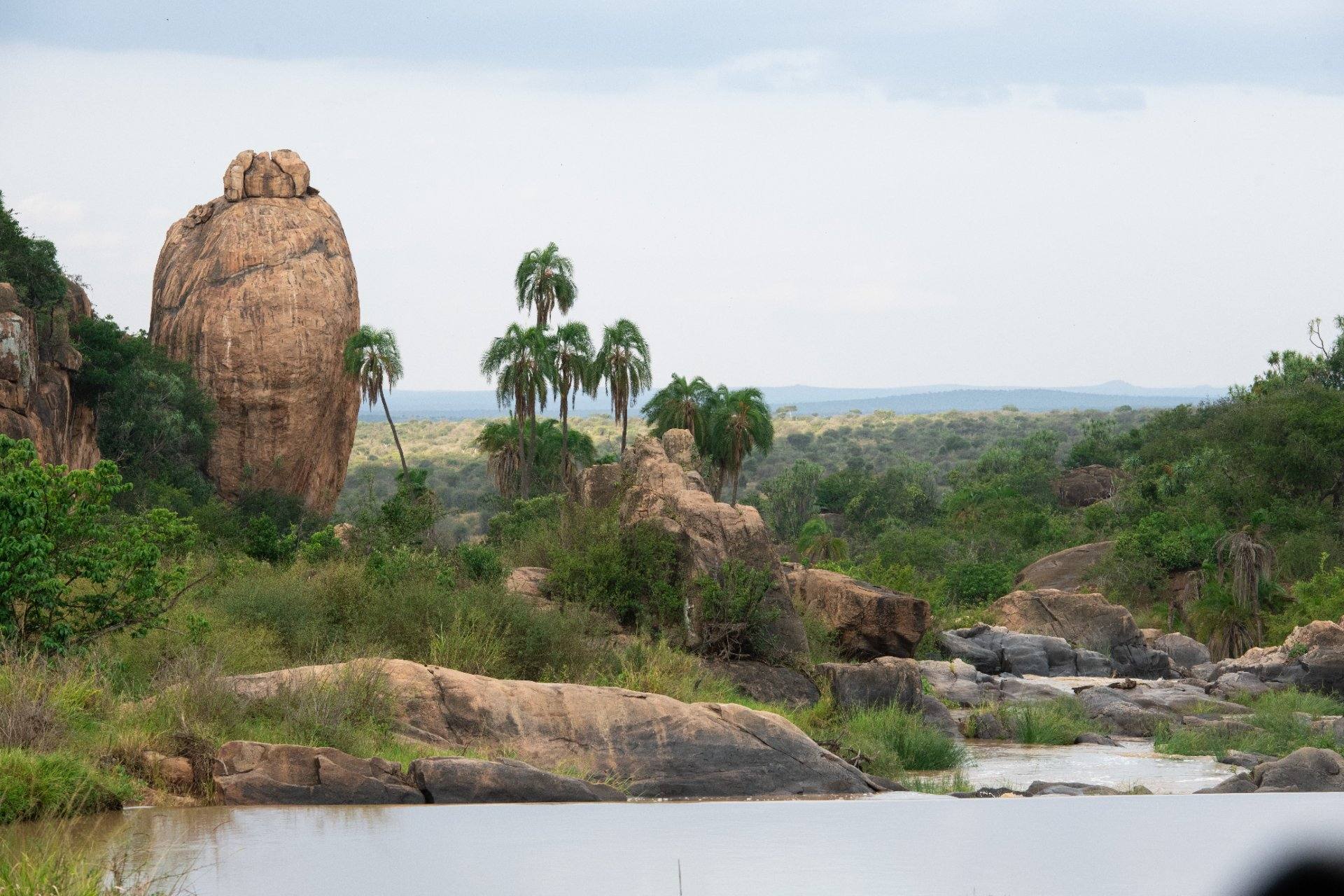
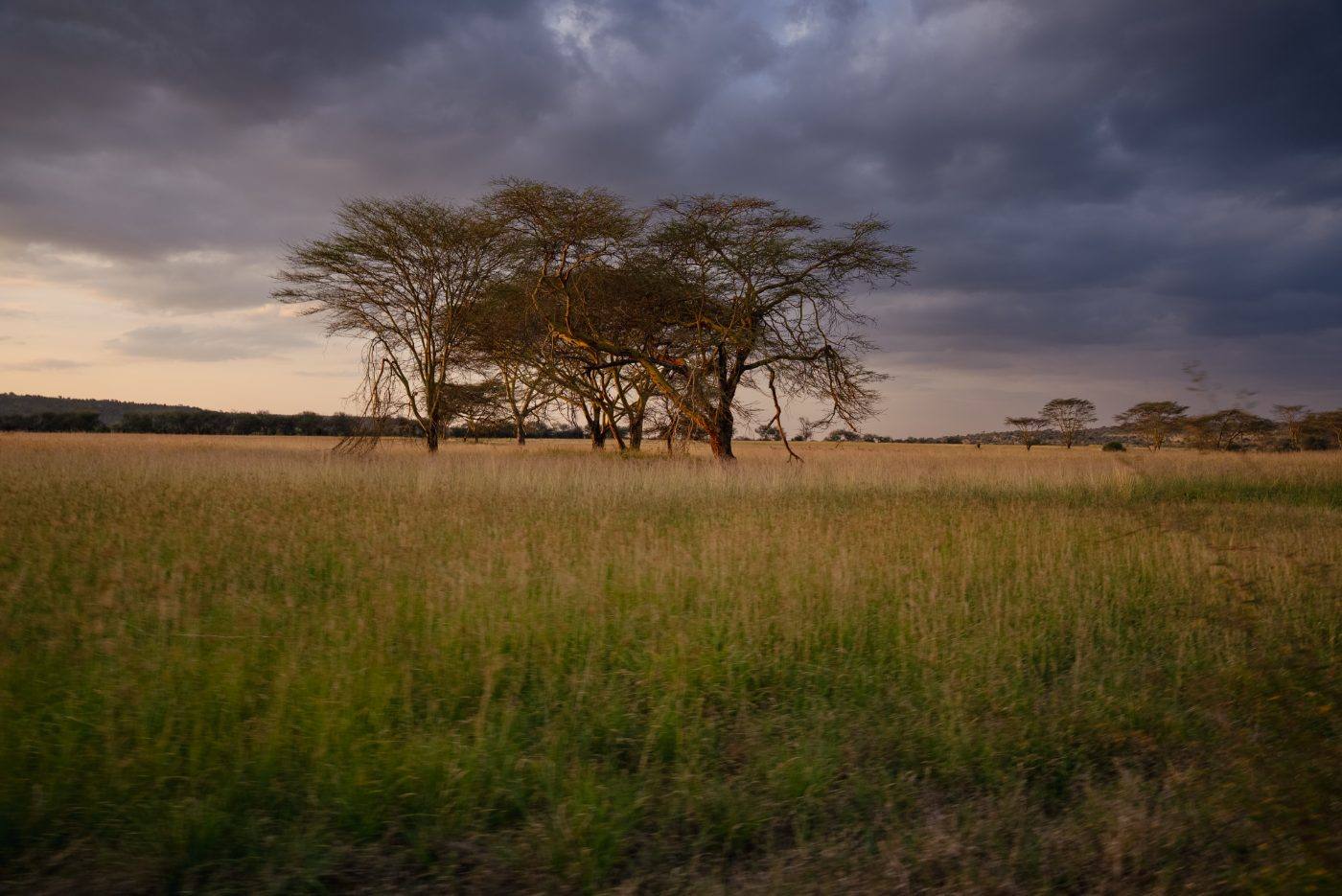
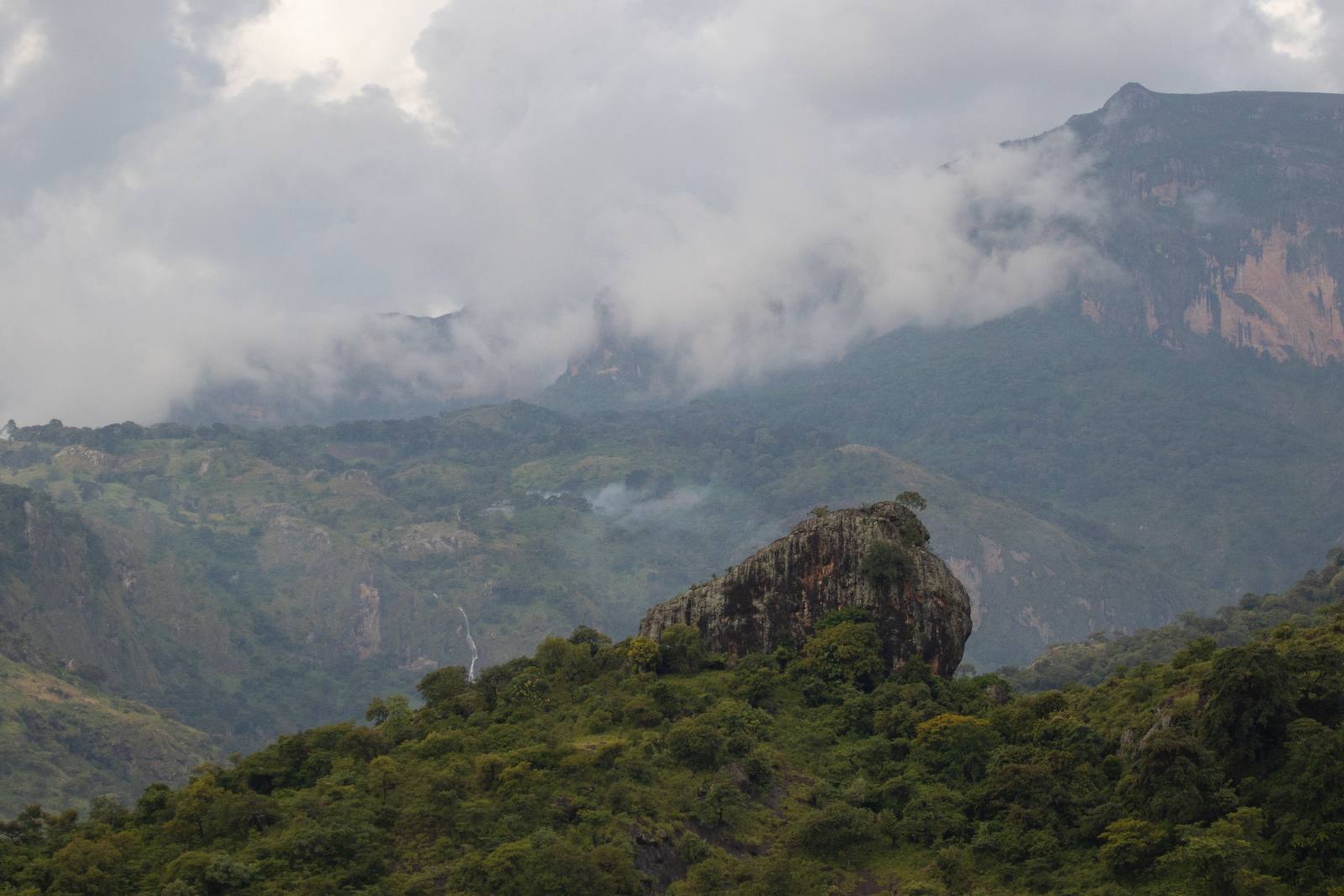
Suyian Conservancy lies on the Laikipia plateau of northern Kenya, bounded to the south-east by the Ewaso Narok River, in one of the most important wildlife landscapes remaining outside the country’s national parks.
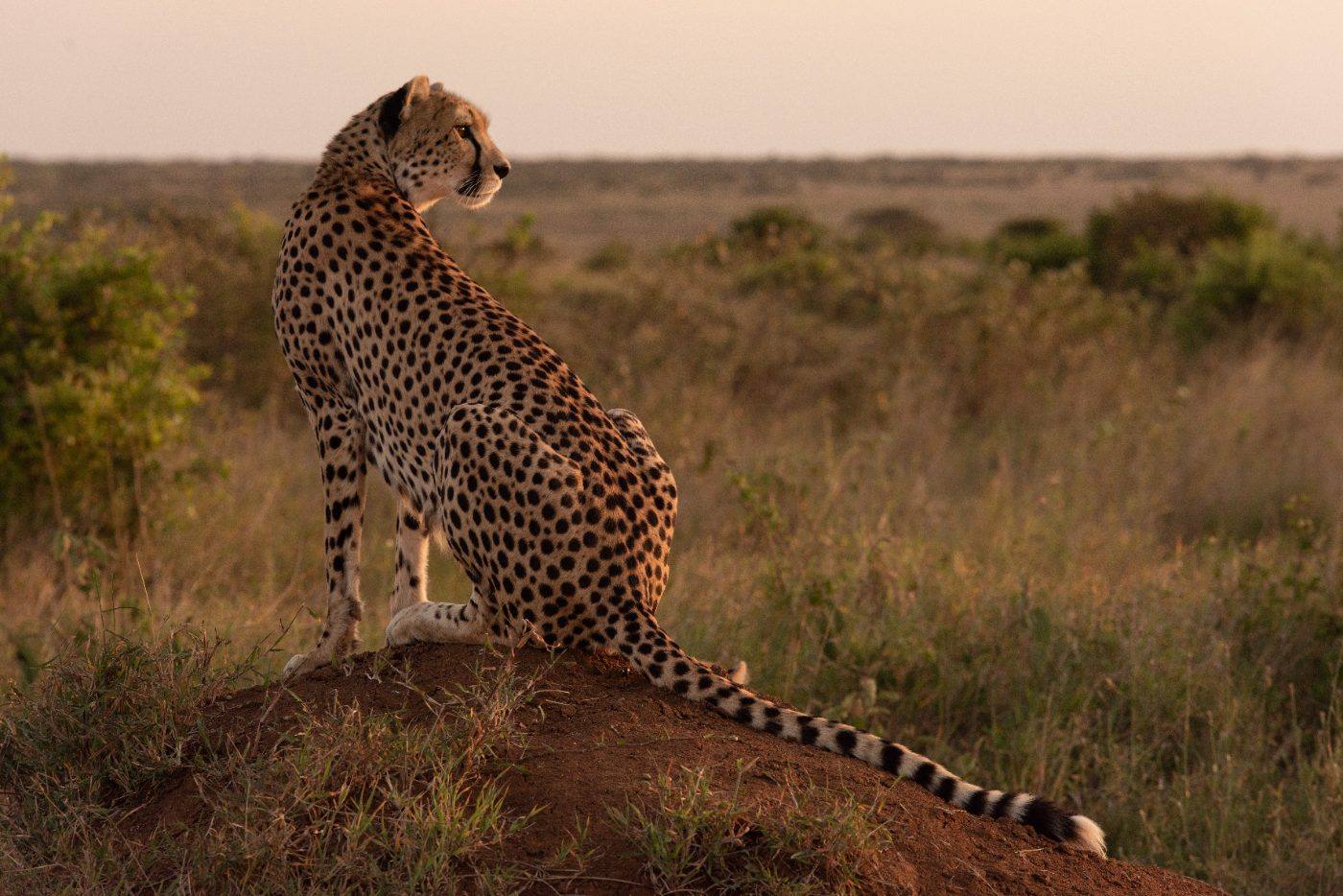
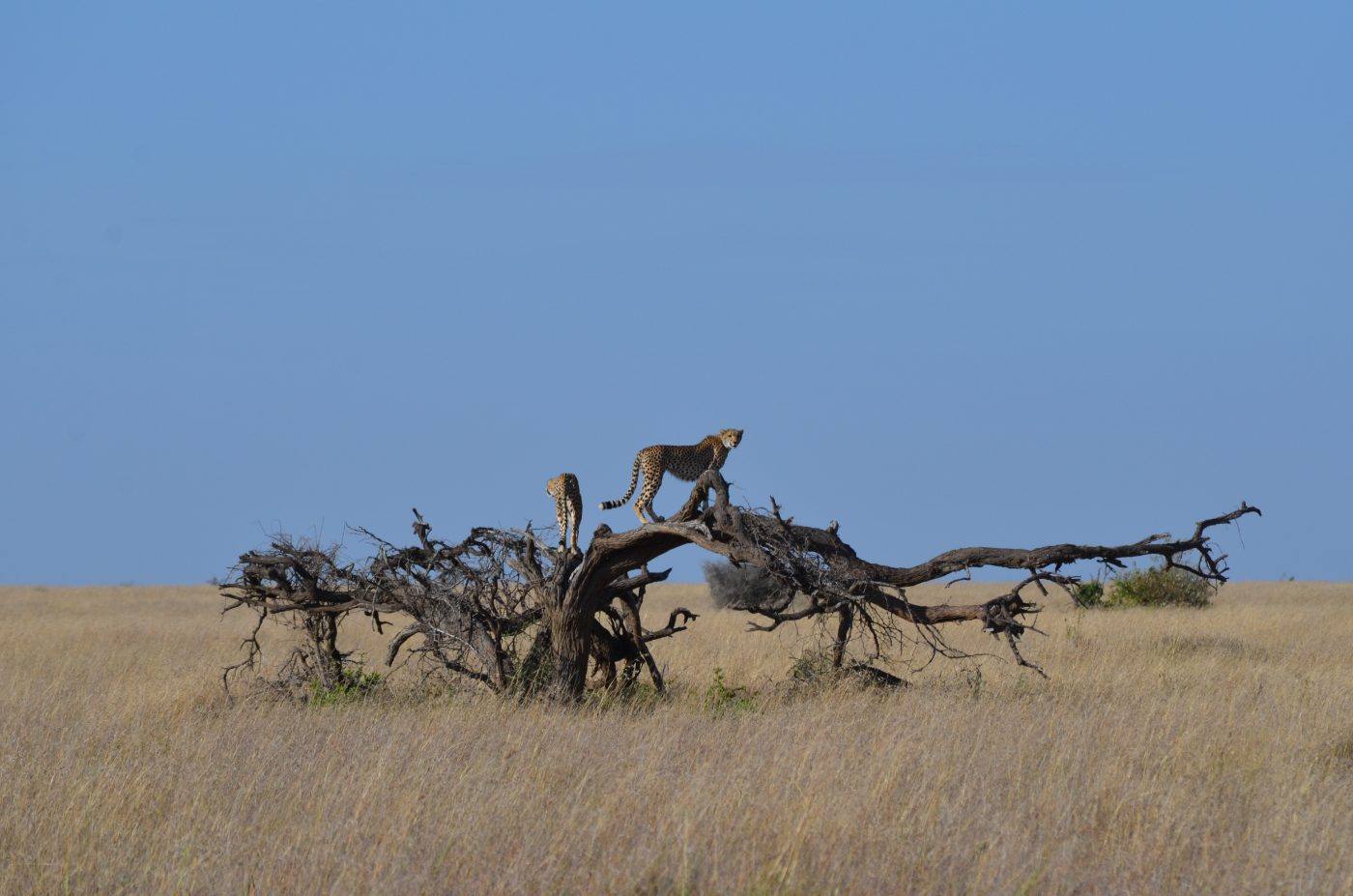
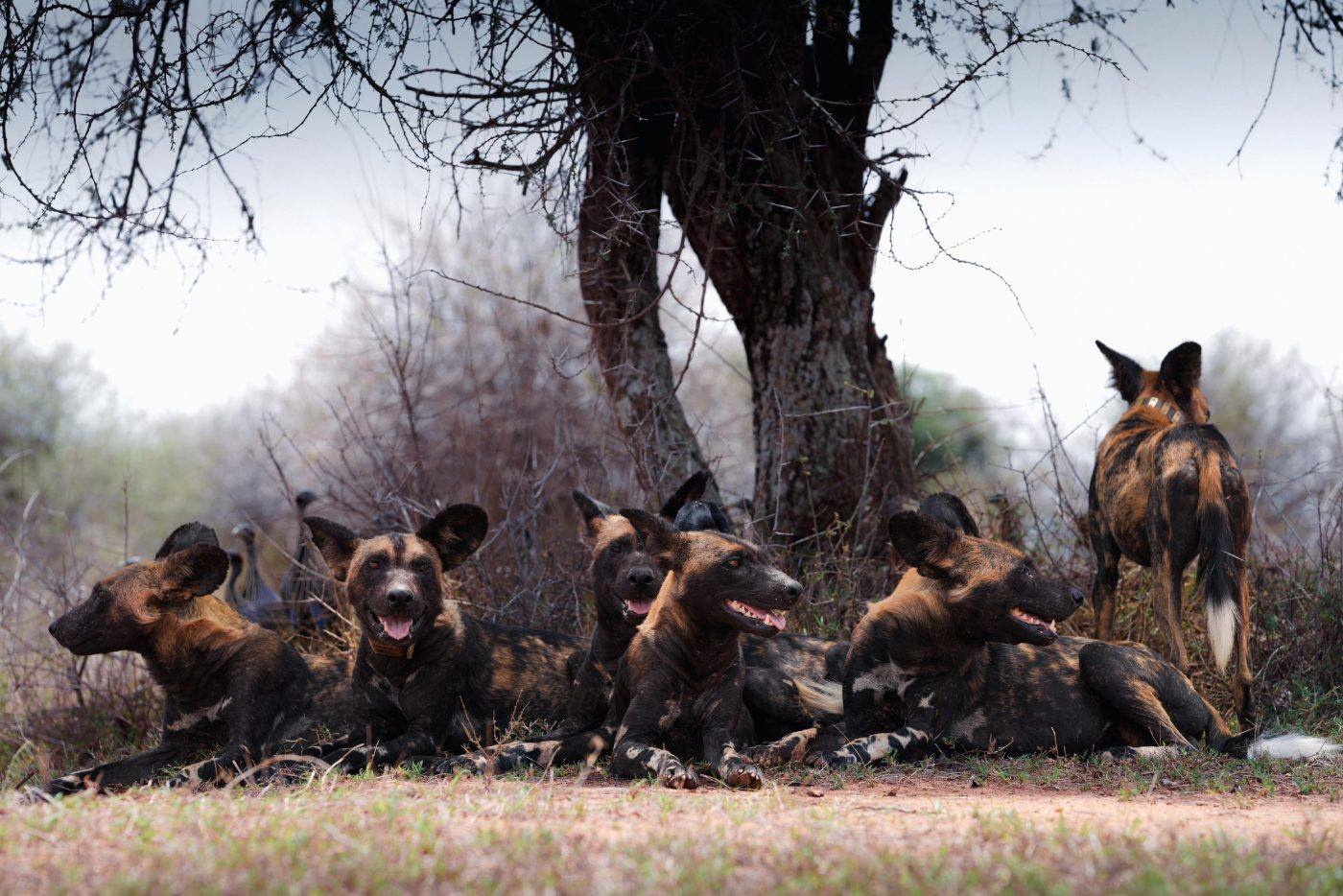
A working ranch for a century, Suyian Conservancy was formally committed to conservation in perpetuity in 2022, when Space for Giants facilitated its transition from ranch to conservancy. Its dams, tracks, and escarpments now anchor a landscape shared by elephants, wild dogs, cheetahs, and the pastoralist communities around it.
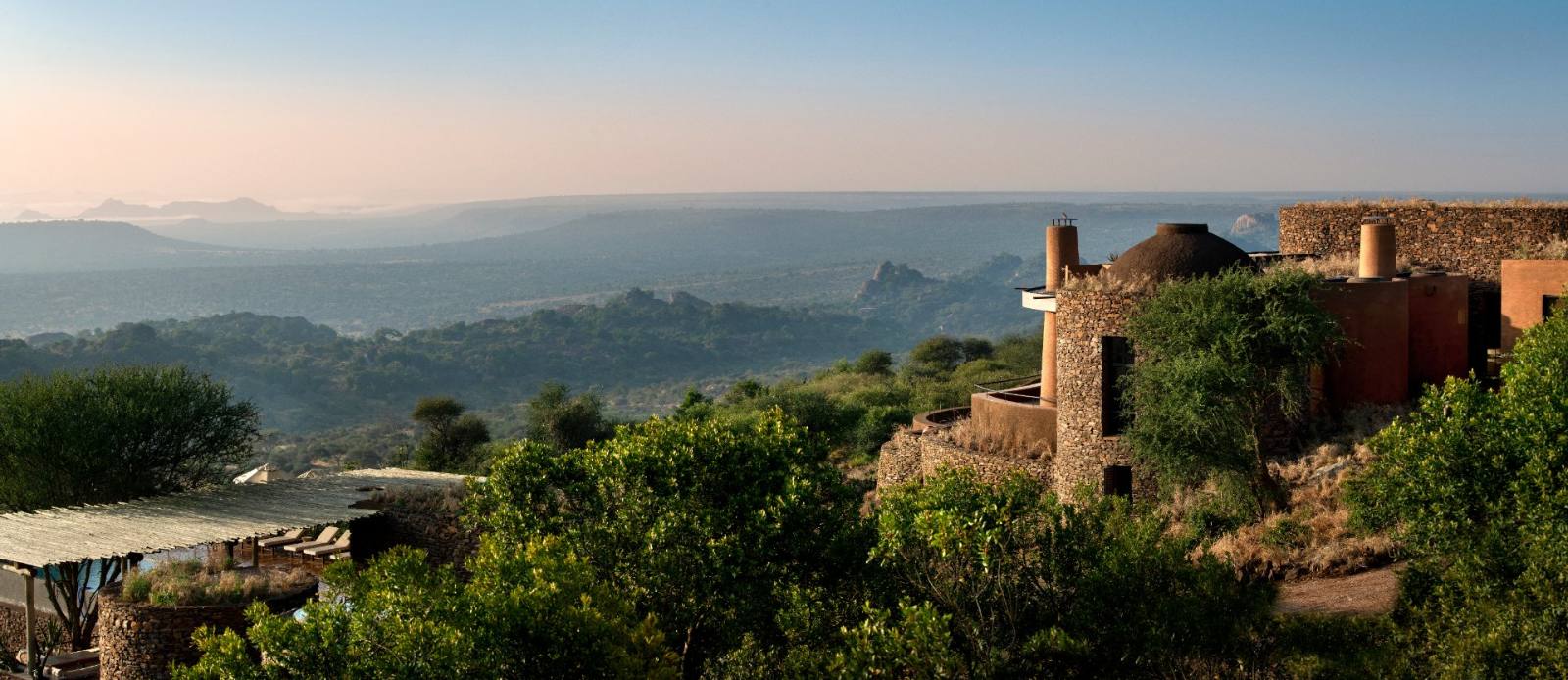
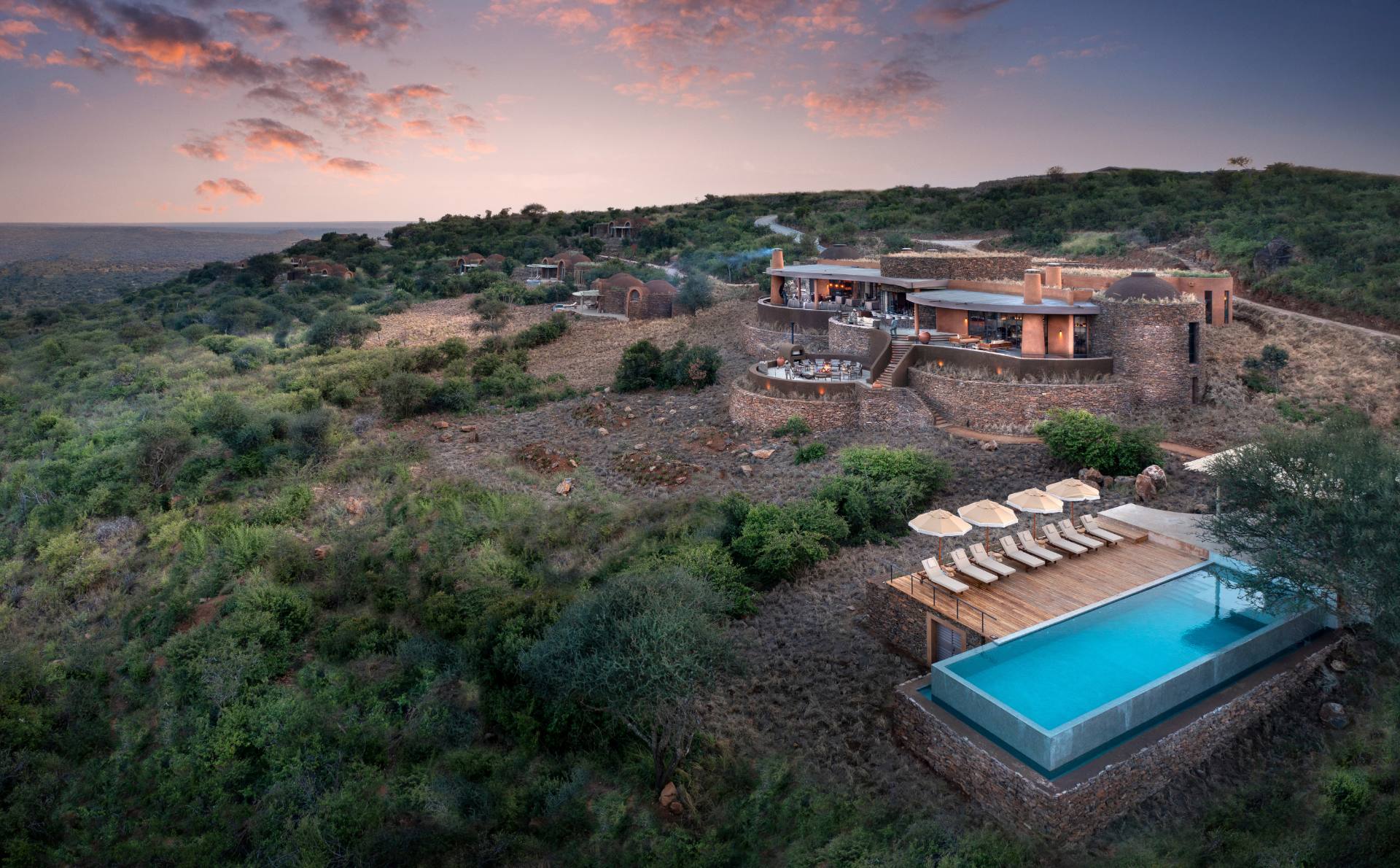
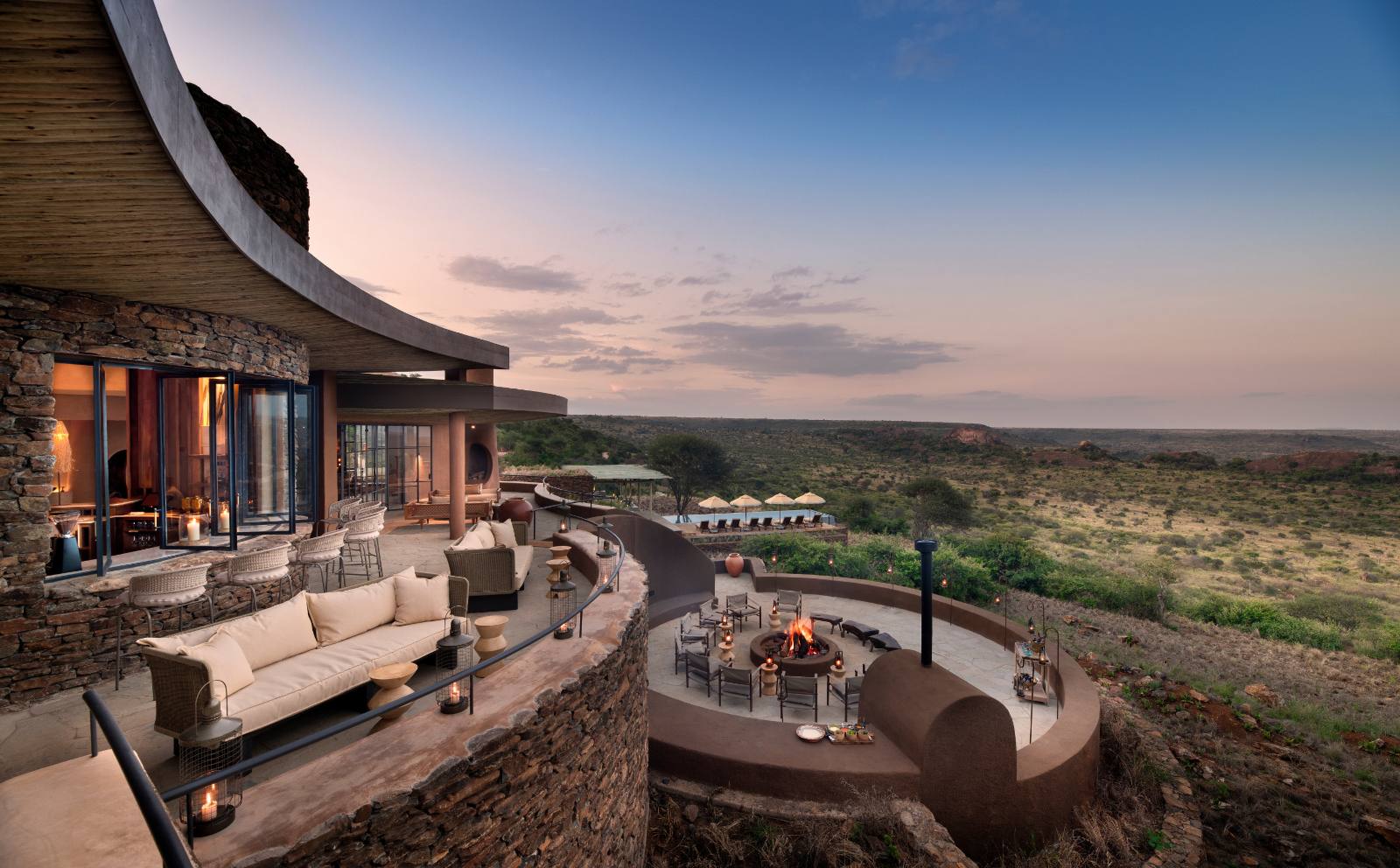
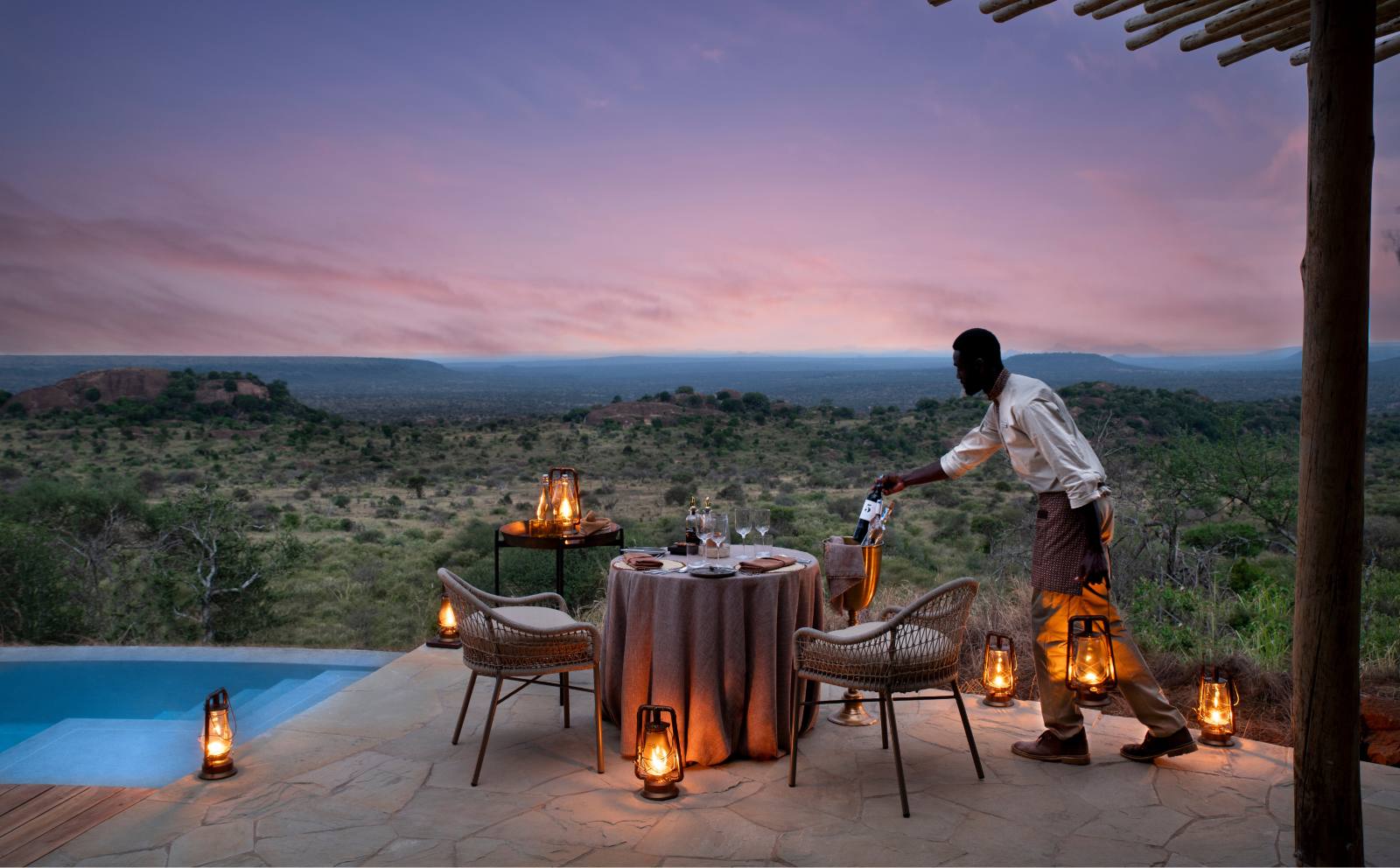
The andBeyond Suyian Lodge, opened in July 2025 above the Ewaso Narok, is the conservancy’s anchor investment: the revenue and employment it generates are what make the protection of this landscape self-sustaining.
Committed to conservation in perpetuity
Suyian became a conservancy in 2022, when Space for Giants facilitated the transition of Suyian Ranch from private ownership into a Kenyan conservancy trust, committing the land to conservation and community benefit in perpetuity. Space for Giants serves as Trust Protector, providing strategic oversight as the landscape develops into a fully protected area and a hub for community support.
That structure shapes everything that follows. The lodge, the employment it created, the holistic livestock ranching model, and the wildlife recovery all sit within a governance framework built to outlast any single owner, funder, or generation.
Three things conservation rarely holds together
At Suyian Conservancy, we have worked since 2023 to combine three things that conservation rarely succeeds at holding together: a viable tourism business, a holistic livestock ranching model that works with local livestock rather than against it, and a workforce drawn overwhelmingly from neighbouring communities. The andBeyond Suyian Lodge is the clearest evidence yet that the three can reinforce, rather than compete with, one another.
2025 marked Suyian Conservancy’s transition into a mature, financially resilient conservation landscape. This milestone was driven above all by the successful launch of the andBeyond Suyian Lodge, an anchor investment central to securing Suyian Conservancy’s long-term future. The lodge opened in July 2025, establishing a vital new revenue stream, creating substantial employment for local communities, and strengthening Suyian Conservancy’s relevance and value to its neighbours.
The first months of the year were dedicated to preparing Suyian Conservancy for world-class tourism operations. This required a major programme of infrastructure development: offices renovated, new buildings constructed for the conservation, security, and operations departments, housing built for senior staff and armed rangers, a new canteen and ablution facilities in the staff camp. All ranger bases across the conservancy were refurbished, ensuring frontline teams are properly equipped and supported to operate effectively across the full 44,000-acre landscape.

The Giants Club at Suyian
The Giants Club is where conservation meets the people with the means and influence to change its odds. Founded by Space for Giants, it convenes heads of state, business leaders, and philanthropists around a single proposition: Africa’s wild landscapes are an asset worth protecting, and protecting them takes political will and private capital pulling in the same direction. Members commit through leadership gifts, and in return receive what few funders are ever offered, direct access to the landscapes, the science, and the people doing the work.
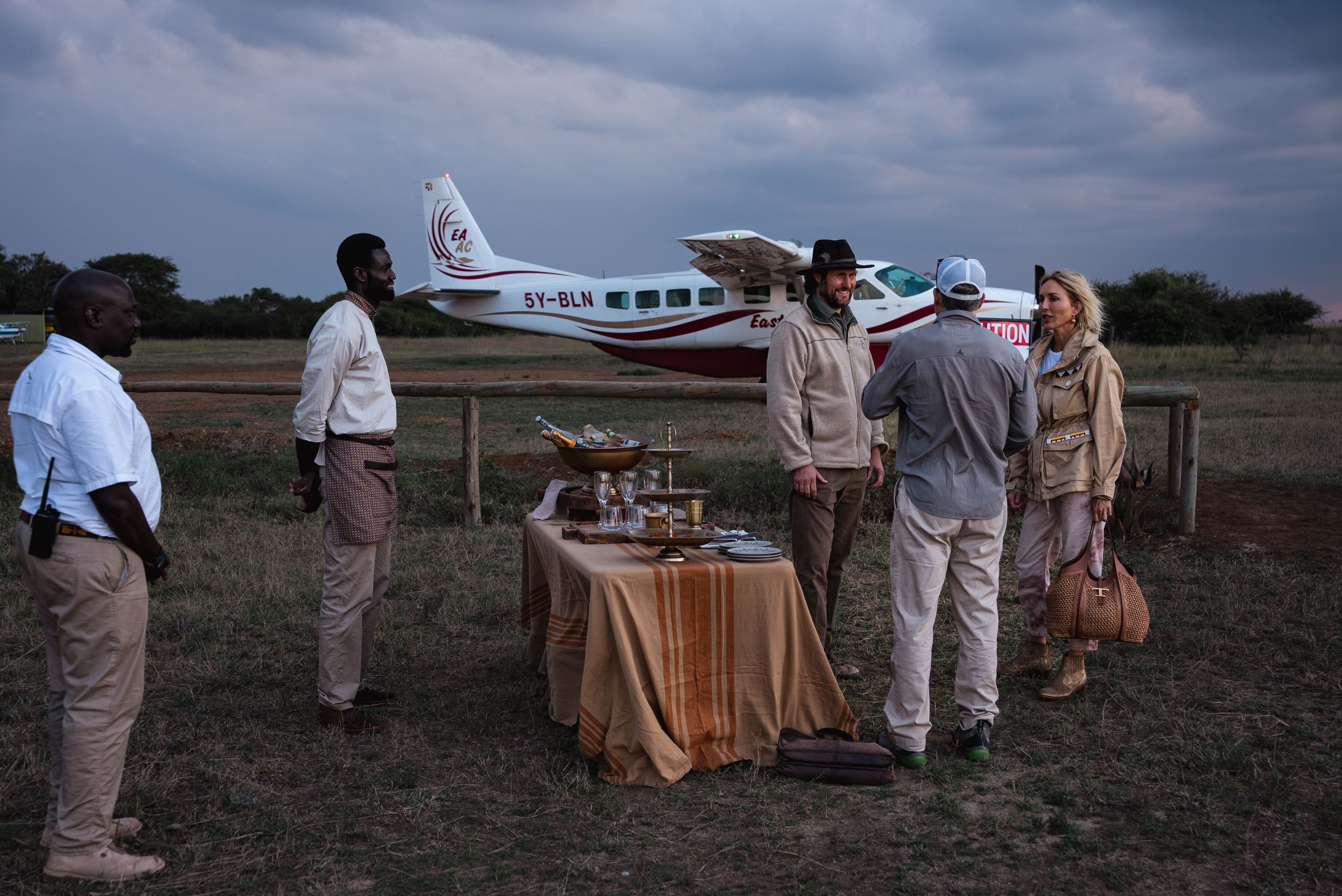
From 28 June to 1 July, Space for Giants took over the newly completed andBeyond Suyian Lodge and brought supporters, trustees, and conservation leaders together to mark the completion of the conservancy transition and the opening of the tourism operation that underwrites it. Those arriving that Saturday were the first people ever to stay at the lodge.
Four days built to show the model rather than describe it. Anne Powys, whose family stewarded this land across three generations, led an ethnobotanical walk that ended with breakfast among the rangers, and spoke at the firepit about what it took for the land to change hands. Archie Voorspuy walked guests through the cattle operation, showing how holistic livestock ranching restores rangeland and lifts species diversity across the 44,000 acres. Evenings turned to the economics of protection, with Professor Judi Wakhungu, former Cabinet Secretary for the Environment, and Silvia Museiya, Permanent Secretary at the Ministry of Wildlife and Tourism, alongside Joss Kent of andBeyond and carbon specialist Henry van der Does.
On Monday morning, guests joined a collaring operation carried out by the Kenya Wildlife Service in partnership with Space for Giants, and watched two bull elephants fitted with satellite collars that now report their movements across this conservancy and beyond.
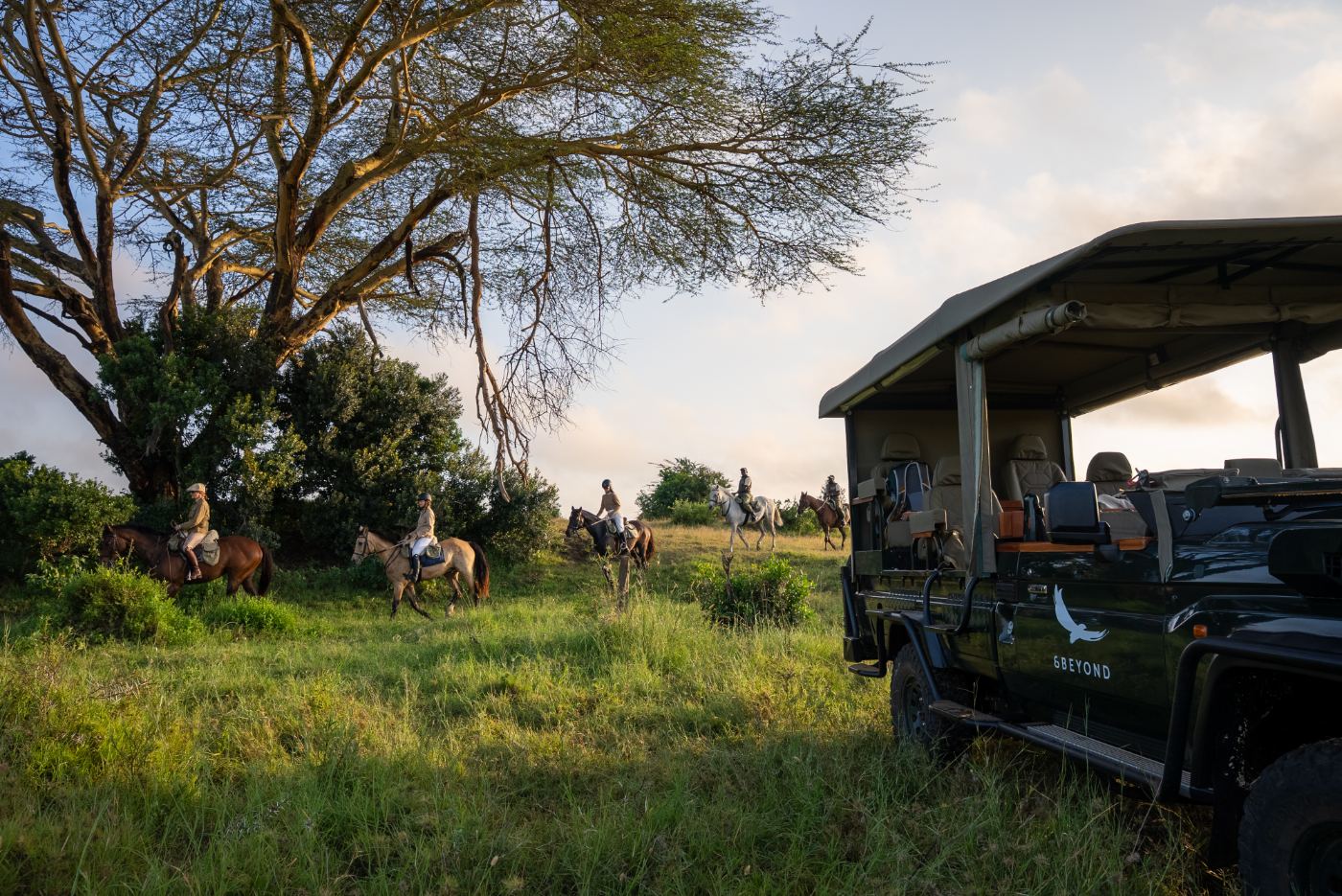
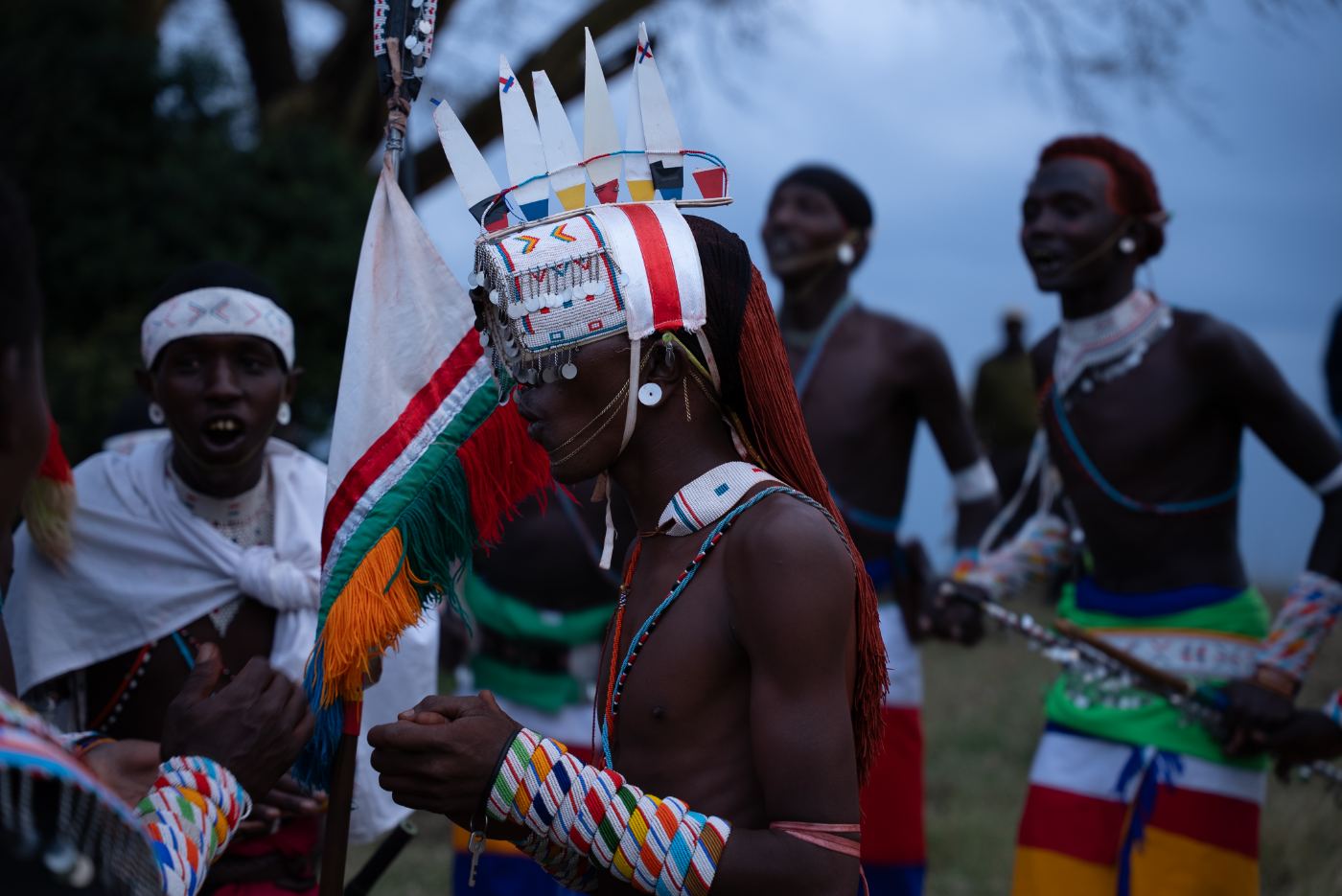
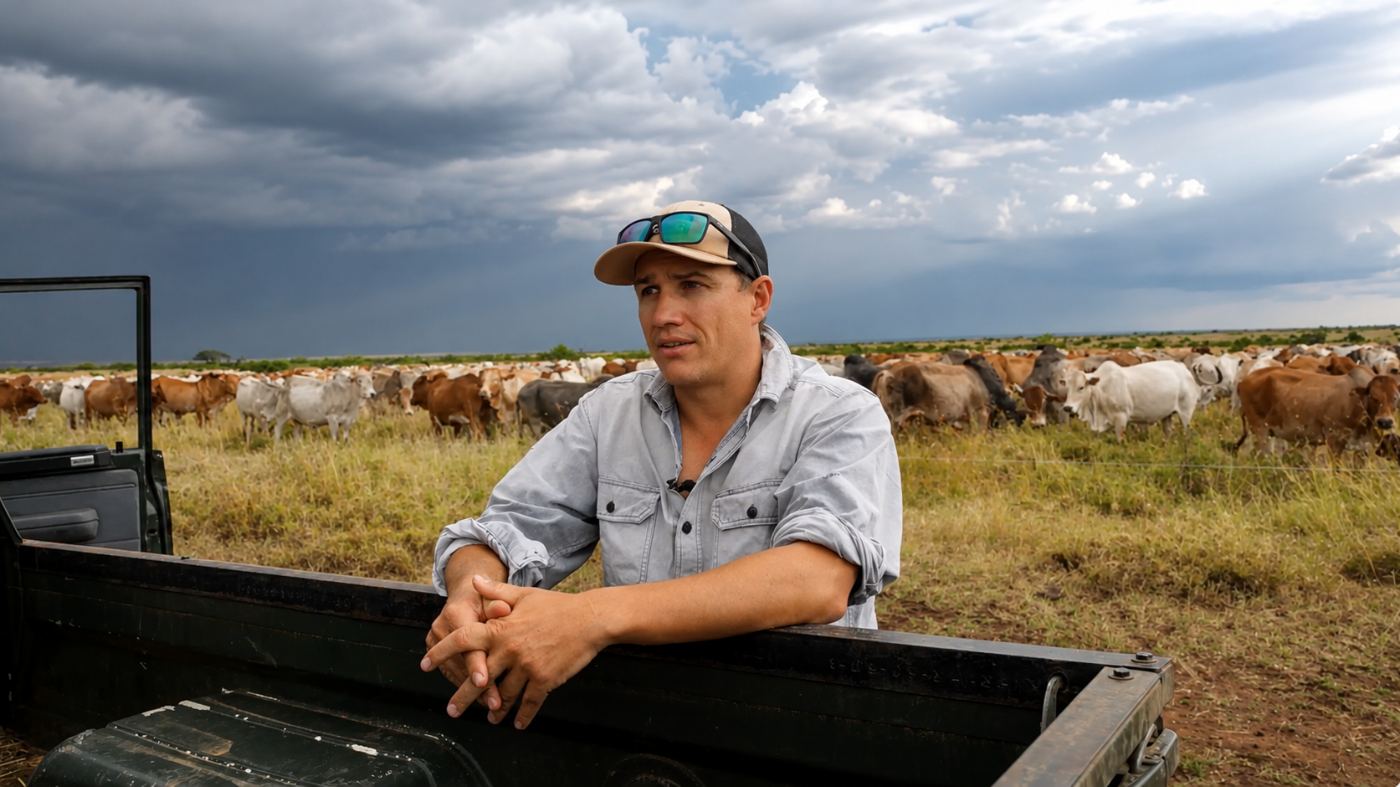
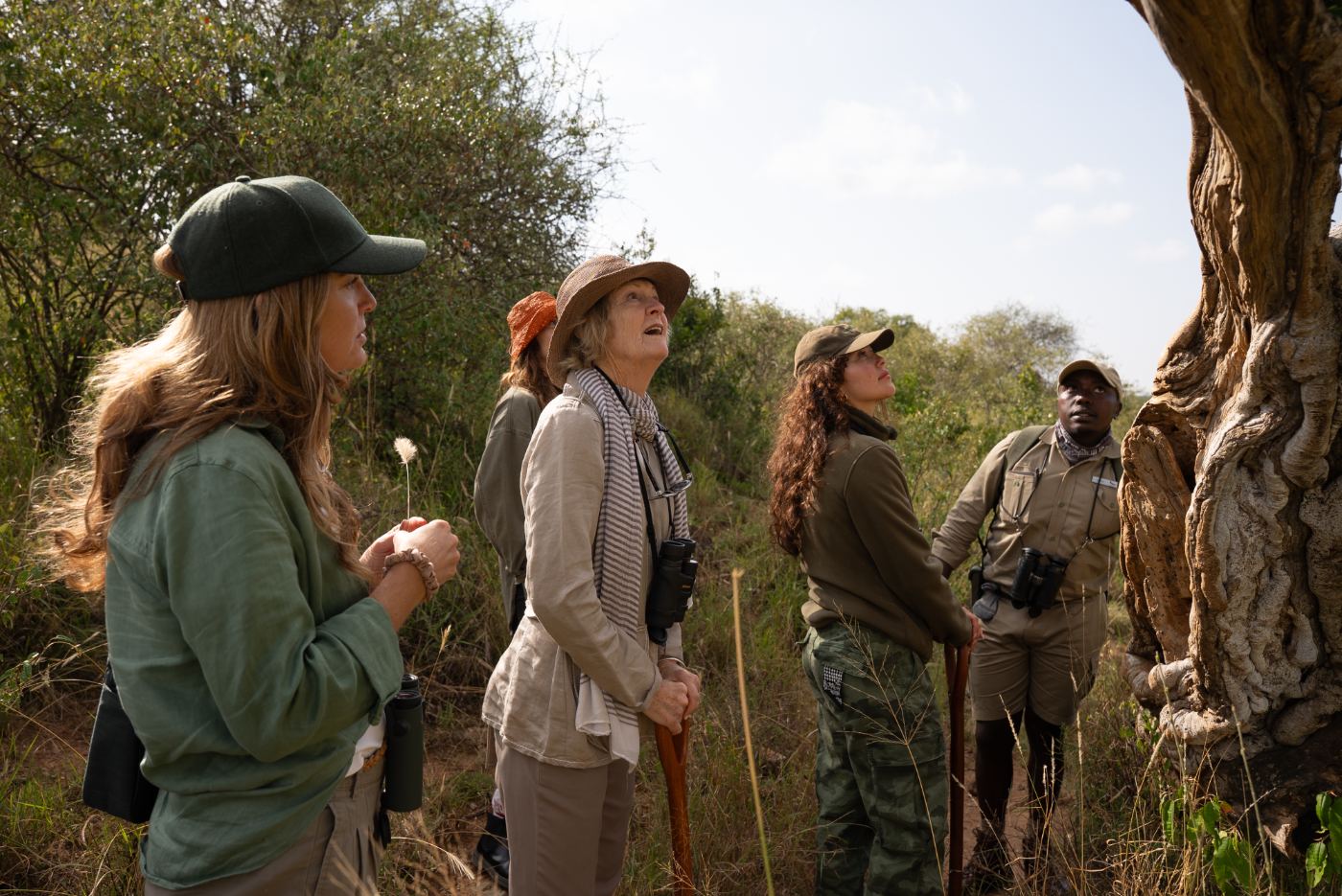
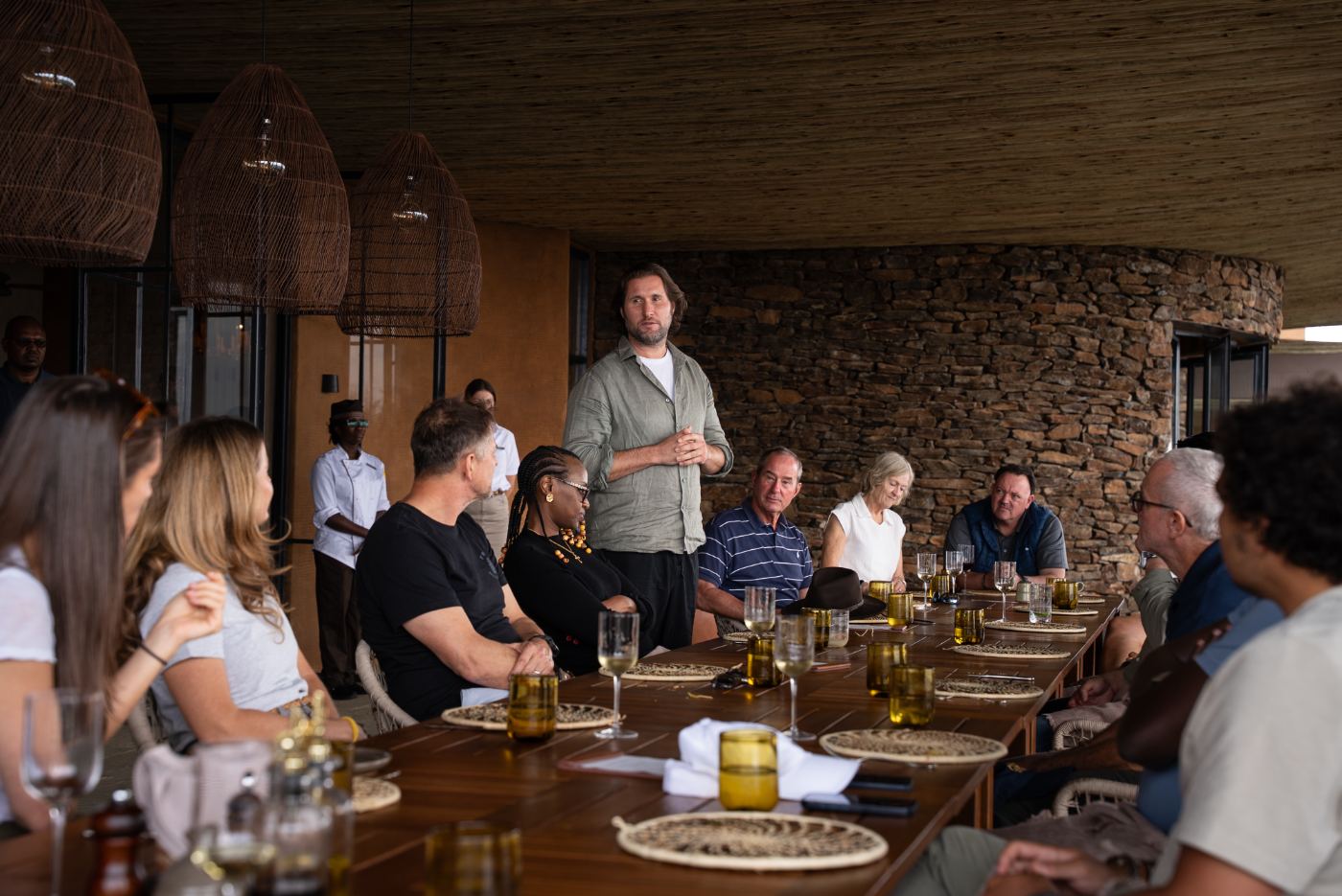
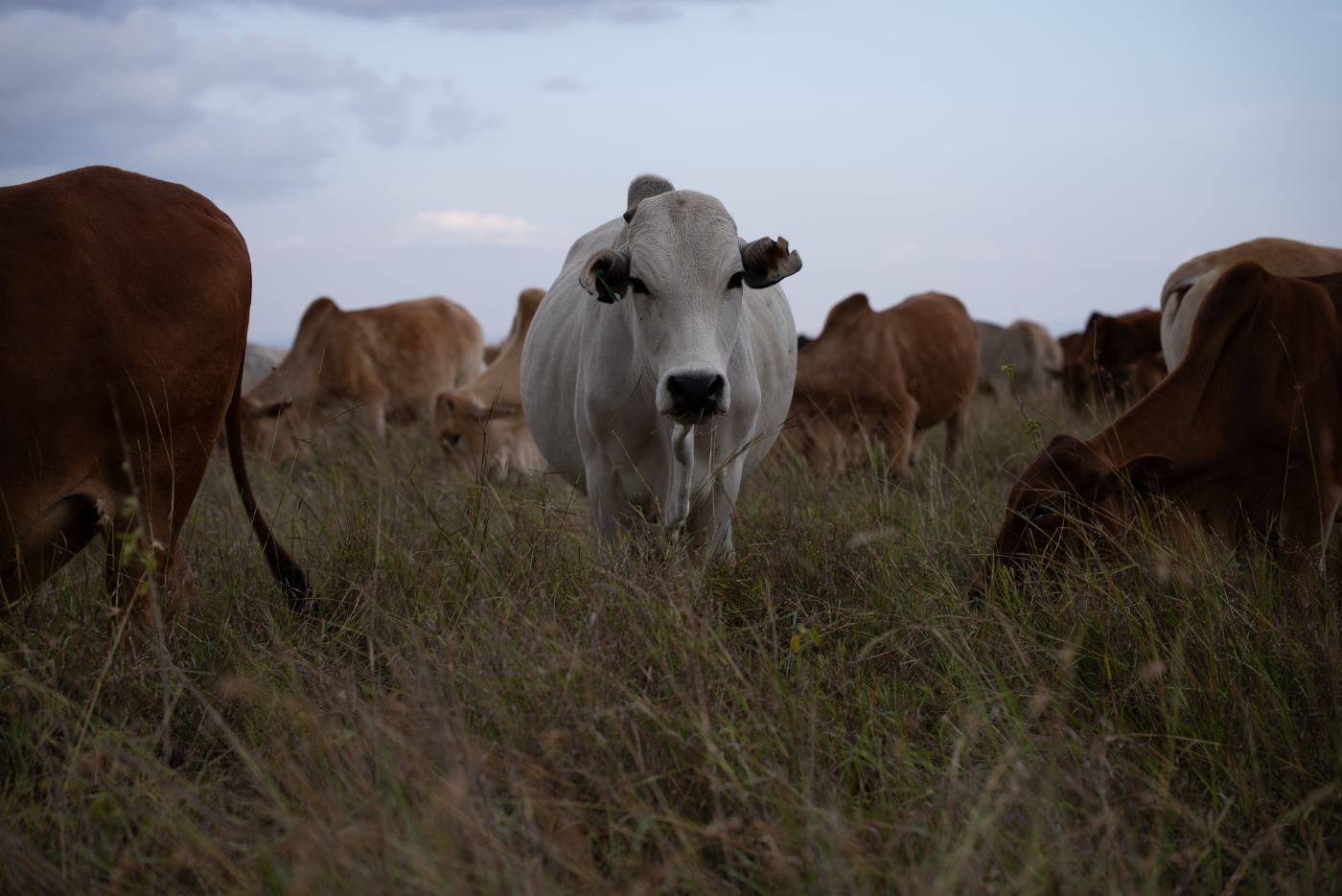
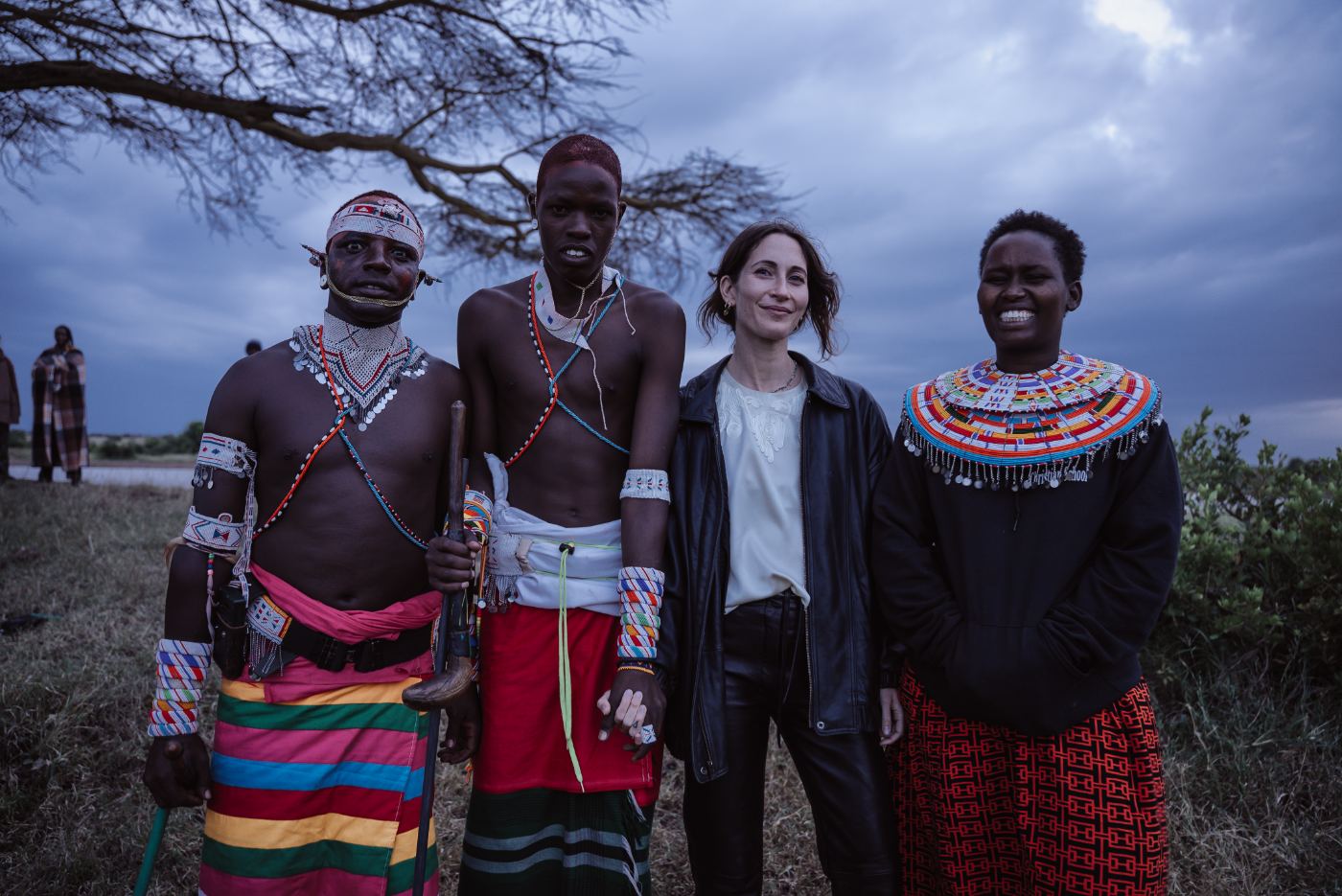
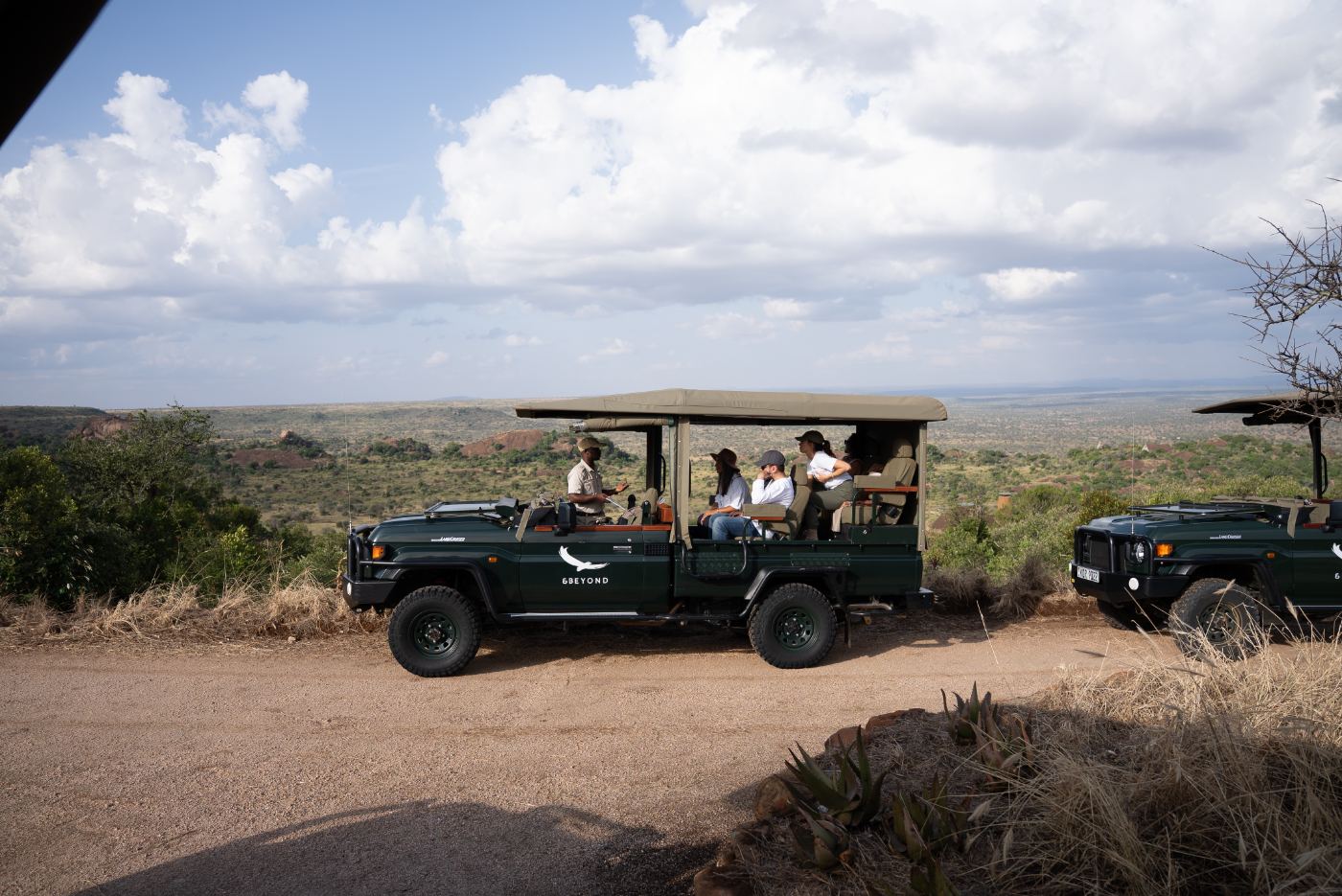
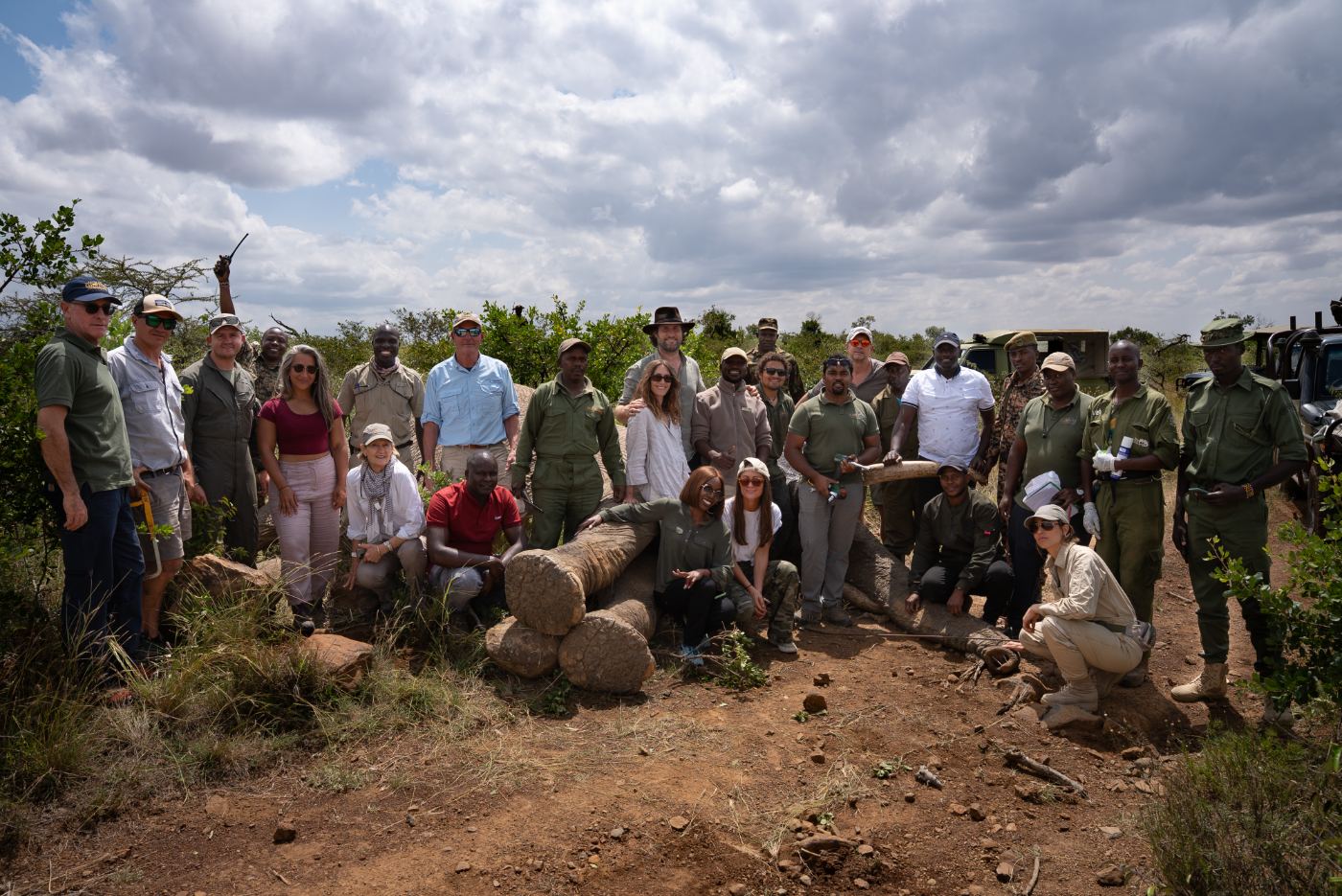
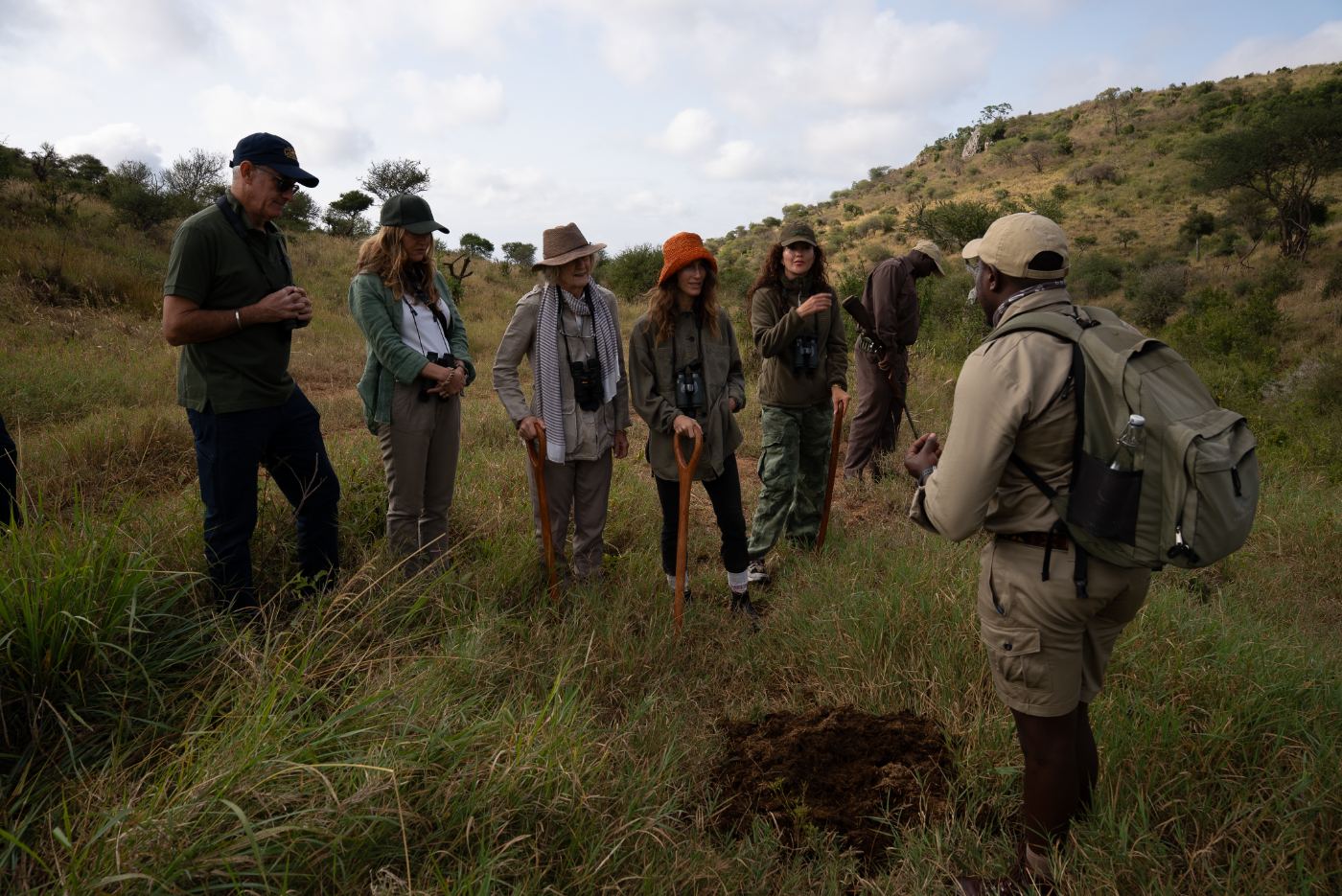
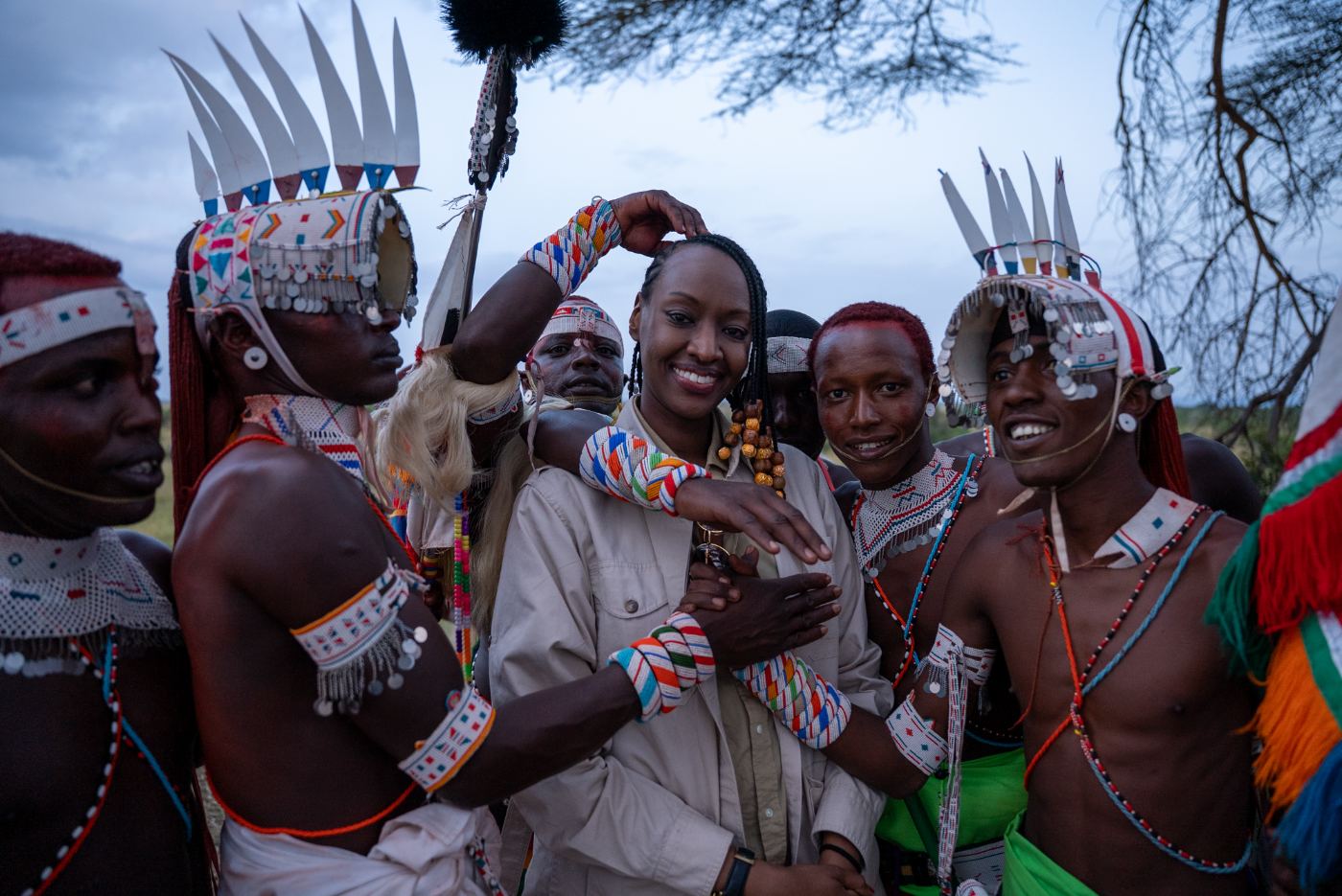
This is what the Giants Club is for. Conservation is easier to believe in once you have walked the ground, met the people who run it, and watched the work happen in front of you. Several who came that weekend went home as investors in what Suyian Conservancy becomes next.
The lodge and the land it funds
The economic benefits are felt directly, and tangibly
The establishment and successful operation of the lodge have had a transformative impact on local livelihoods. Today, Suyian Conservancy and its partners directly employ over 250 people, making the conservancy one of the most significant employers in the area. More than 75% of staff are drawn from immediately neighbouring communities, and over 85% are permanent residents of Laikipia County. The economic benefits of conservation are felt directly and tangibly by the people who live alongside it.
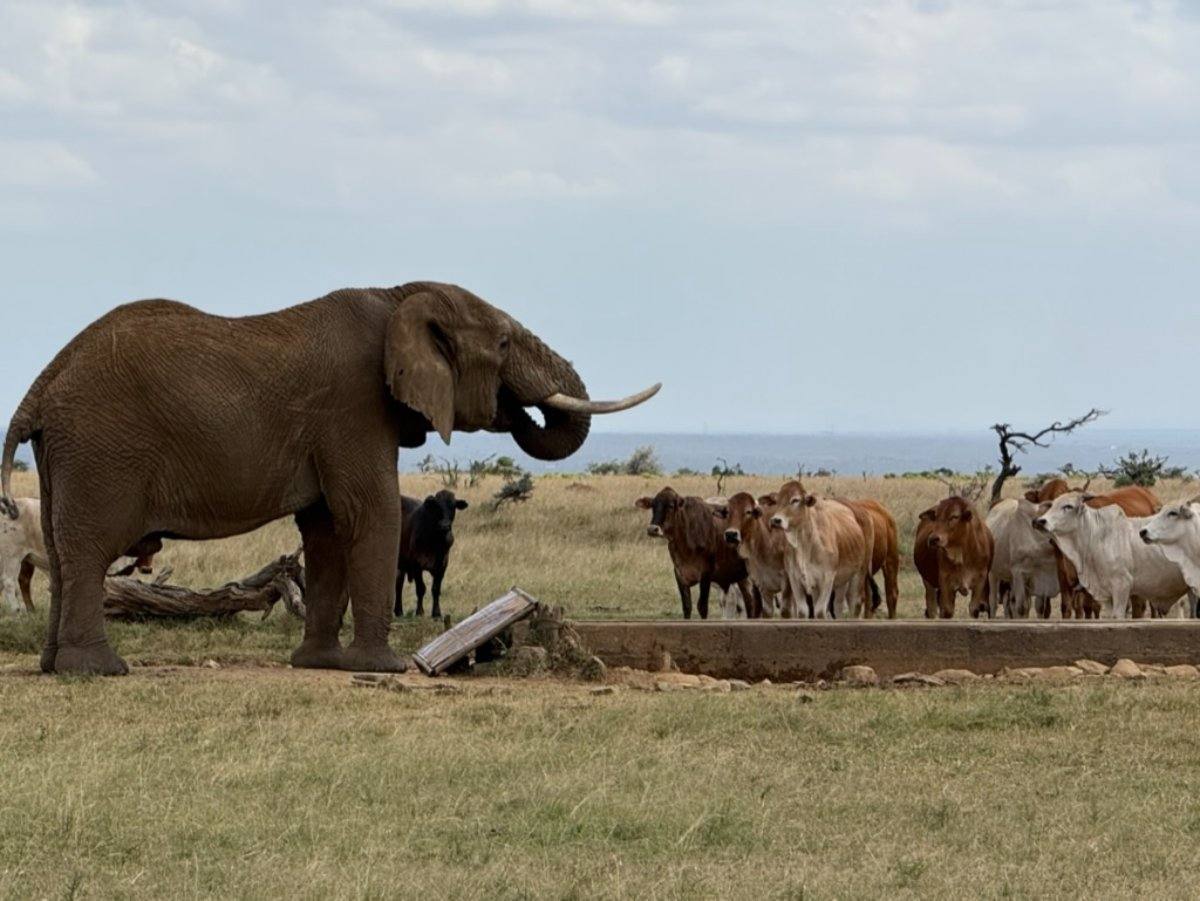
Suyian Conservancy made major advances in integrating livestock management and regenerative agriculture into its conservation model. Over 3,000 head of commercial cattle were transitioned into an Ultra-High Density Grazing system, taking rangeland management to the next level for both wildlife and livestock. This system improves soil health and habitat quality while also generating a meaningful financial contribution to the conservancy, further diversifying income streams and strengthening long-term sustainability.
On the conservation and security front, Suyian Conservancy significantly strengthened its capacity on the ground. The conservancy now employs over 40 highly trained and motivated rangers, who collectively conduct more than 45,000 kilometres of patrols each year. Suyian Conservancy has not reported a single poaching incident since its creation in 2022.
A new General Management Plan for the period 2025 to 2030 has been developed, integrating conservation priorities with financial capacity and livelihood development indicators.
The conservancy, the lodge, and the people it employs
One film that tells Suyian Conservancy’s story: the opening of the lodge, the 250+ people it employs, and the communities sharing in what conservation earns.
2025 was not just a year of growth for Suyian Conservancy, but a year in which the conservancy’s conservation, community, and financial models became more deeply integrated, laying strong foundations for a resilient and sustainable future.
Key Statistics, Suyian 2025
Suyian: from cattle ranch to rhino sanctuary
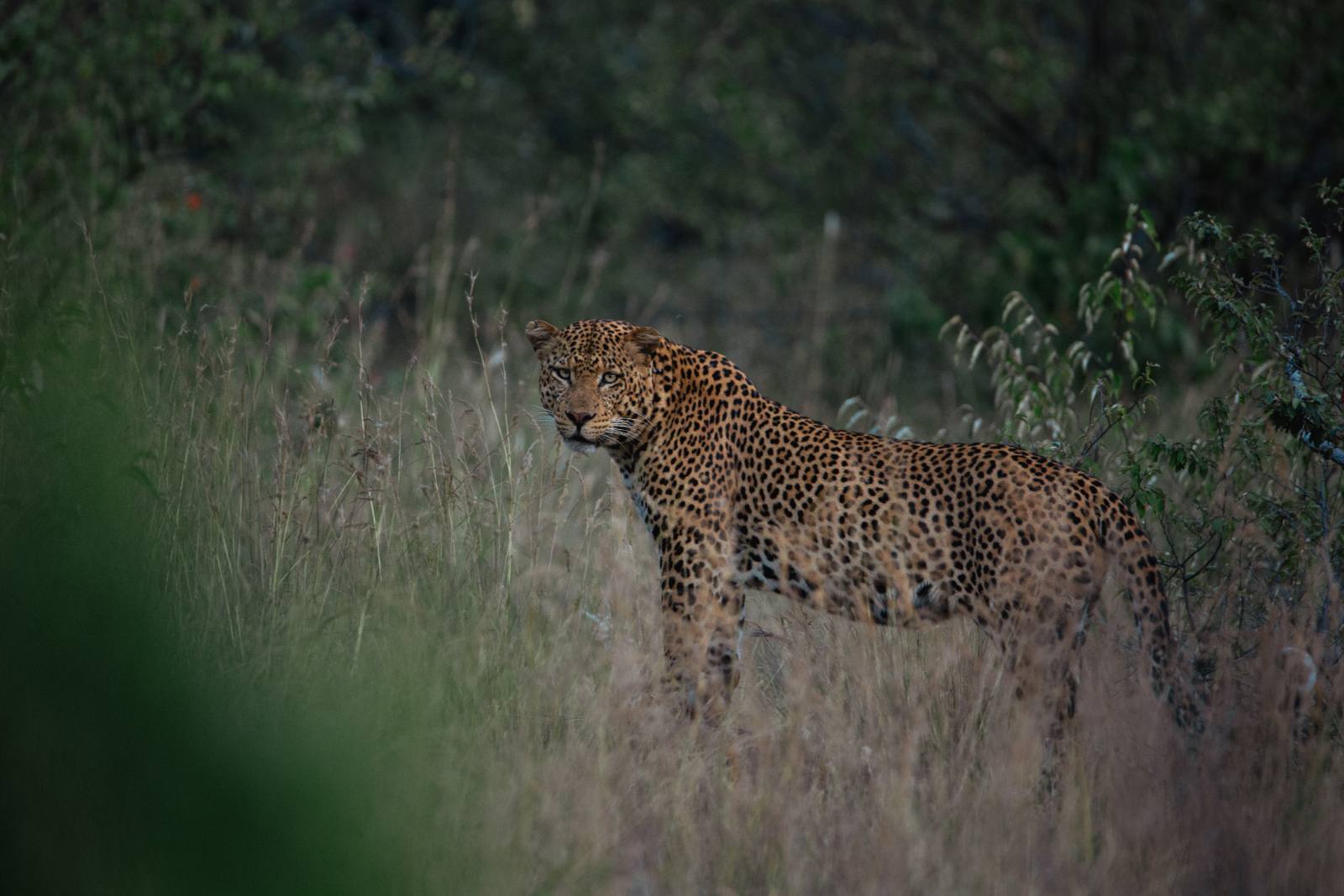
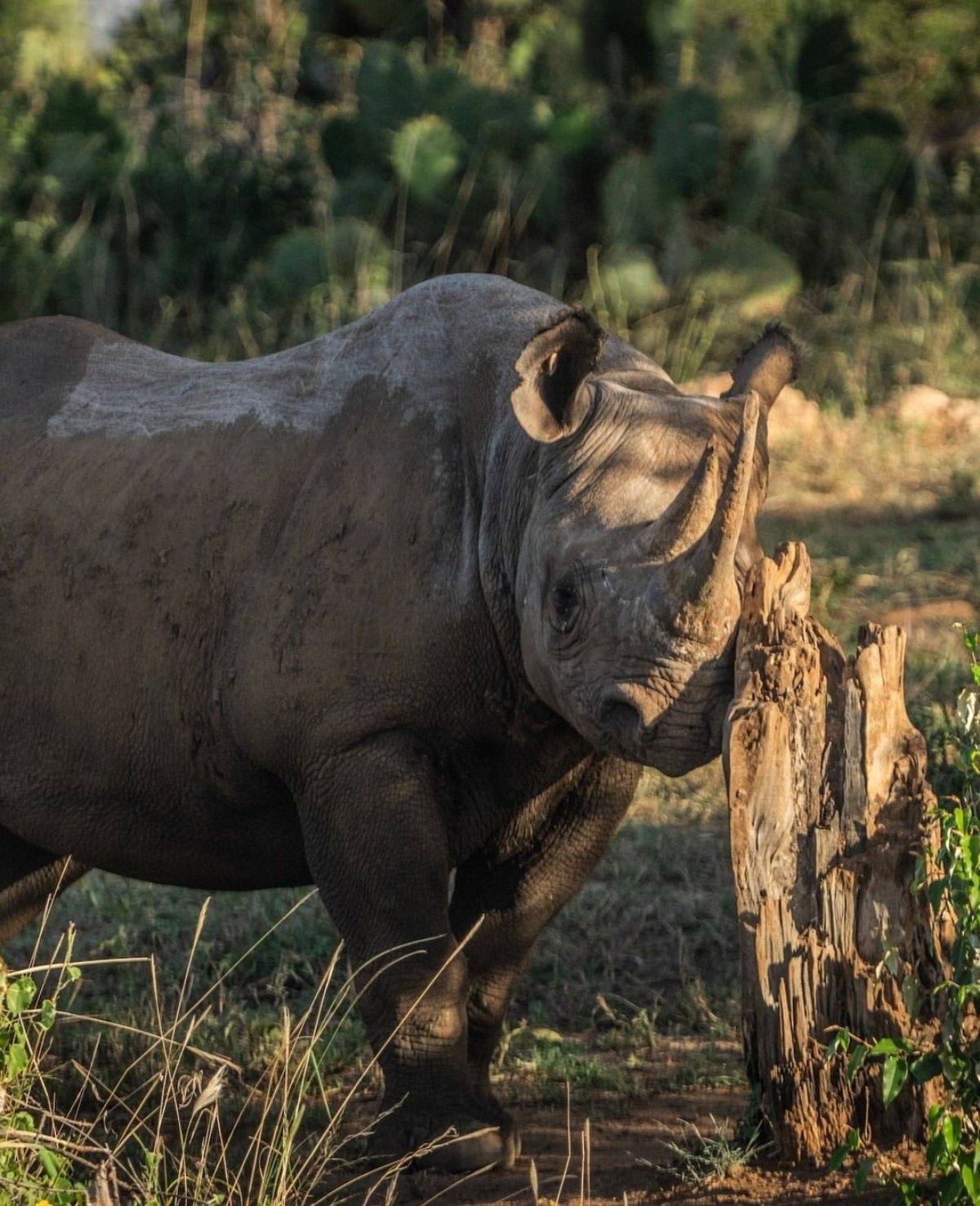
With the andBeyond Suyian Lodge open and the conservancy’s financial model proven, 2026 turns to Suyian Conservancy’s most ambitious goal: the potential reintroduction of the critically endangered black rhino. Achieving this would place Suyian Conservancy among East Africa’s most significant private conservation areas, and would demonstrate that a landscape can move from former cattle ranch to flagship rhino sanctuary within a single decade, when conservation, tourism, and community livelihoods are built to support one another from the start.
The fence that makes coexistence possible
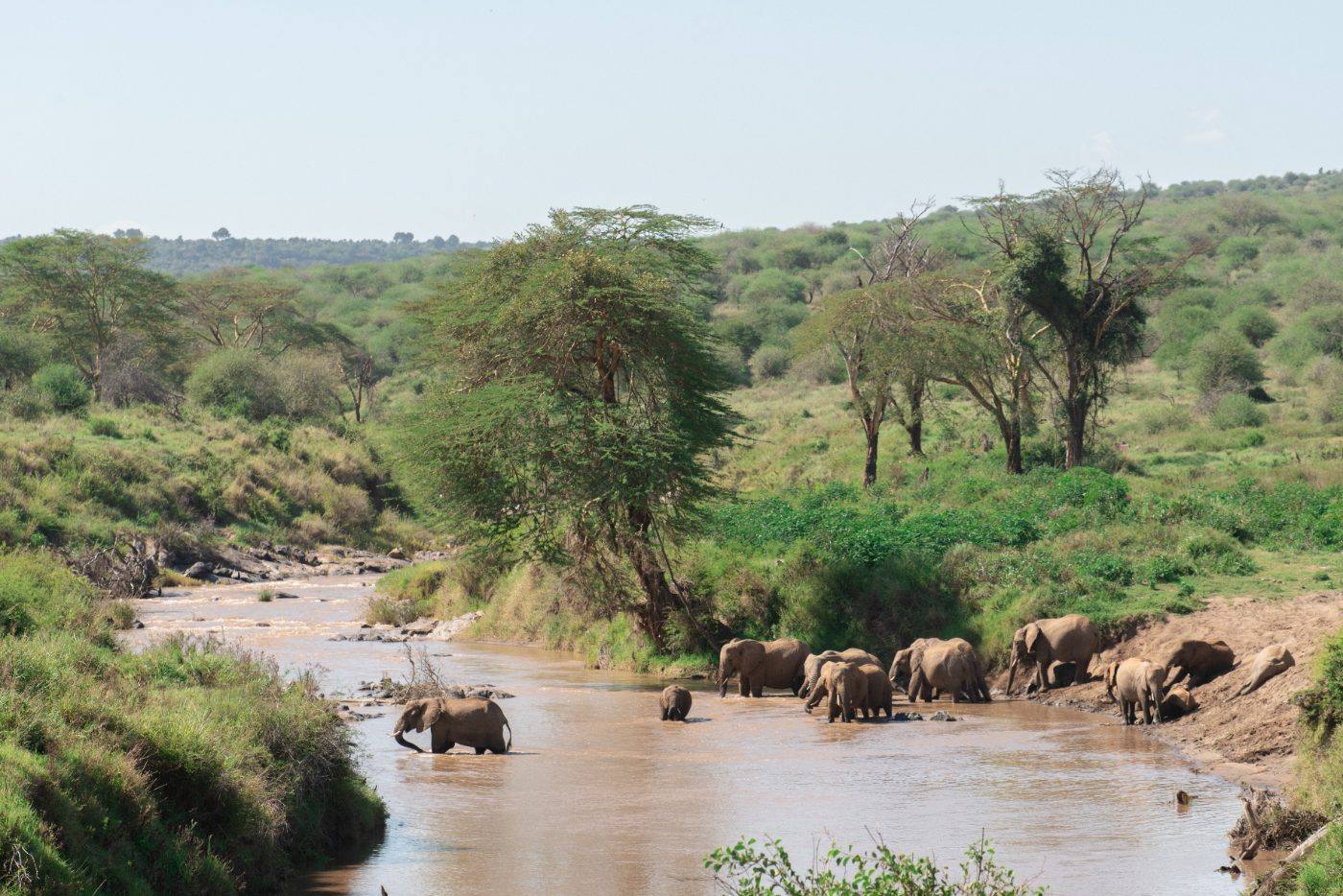
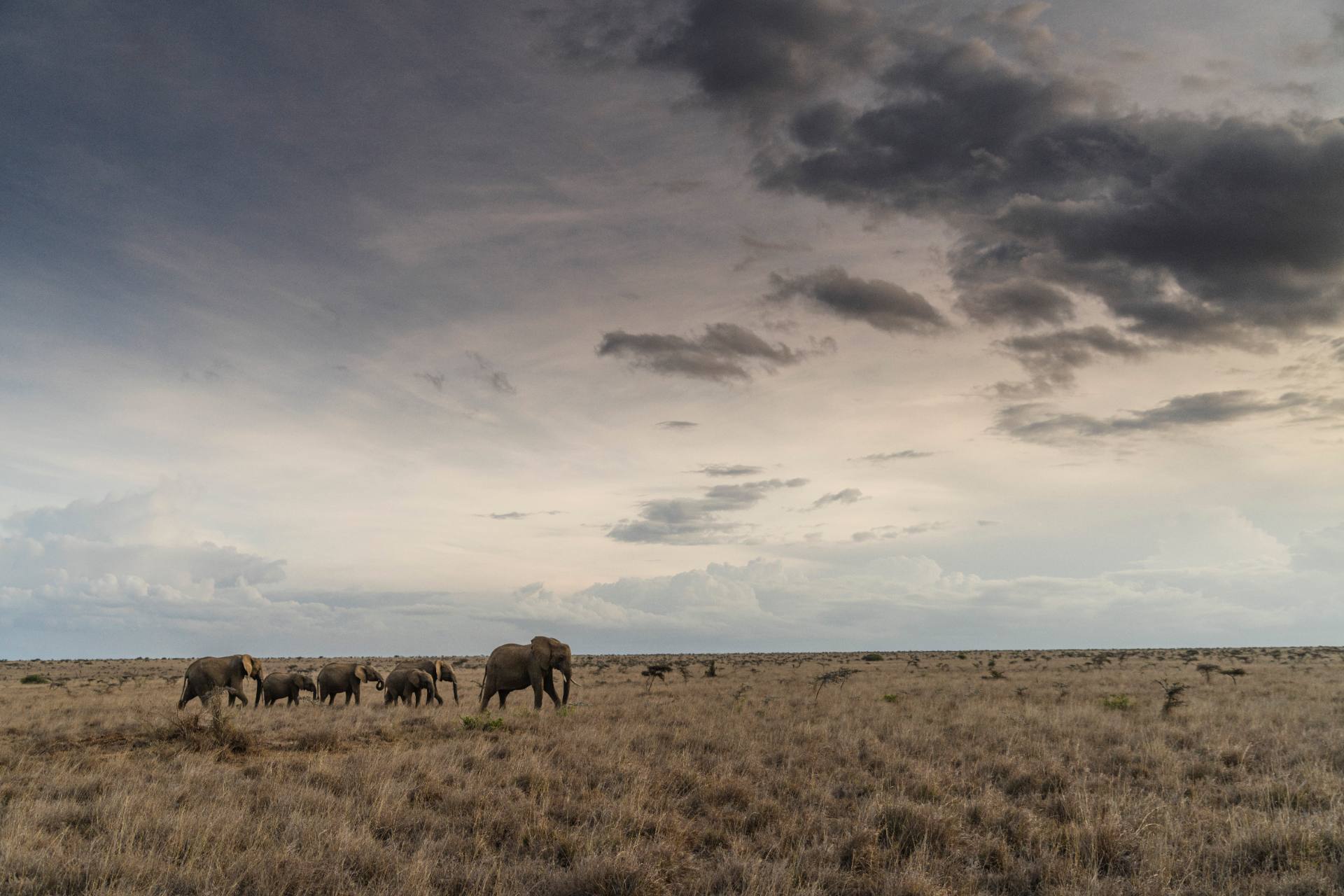
Roughly half of Kenya’s second-largest elephant population lives here, alongside some of its most densely settled farmland.
Where Coexistence Work at Scale
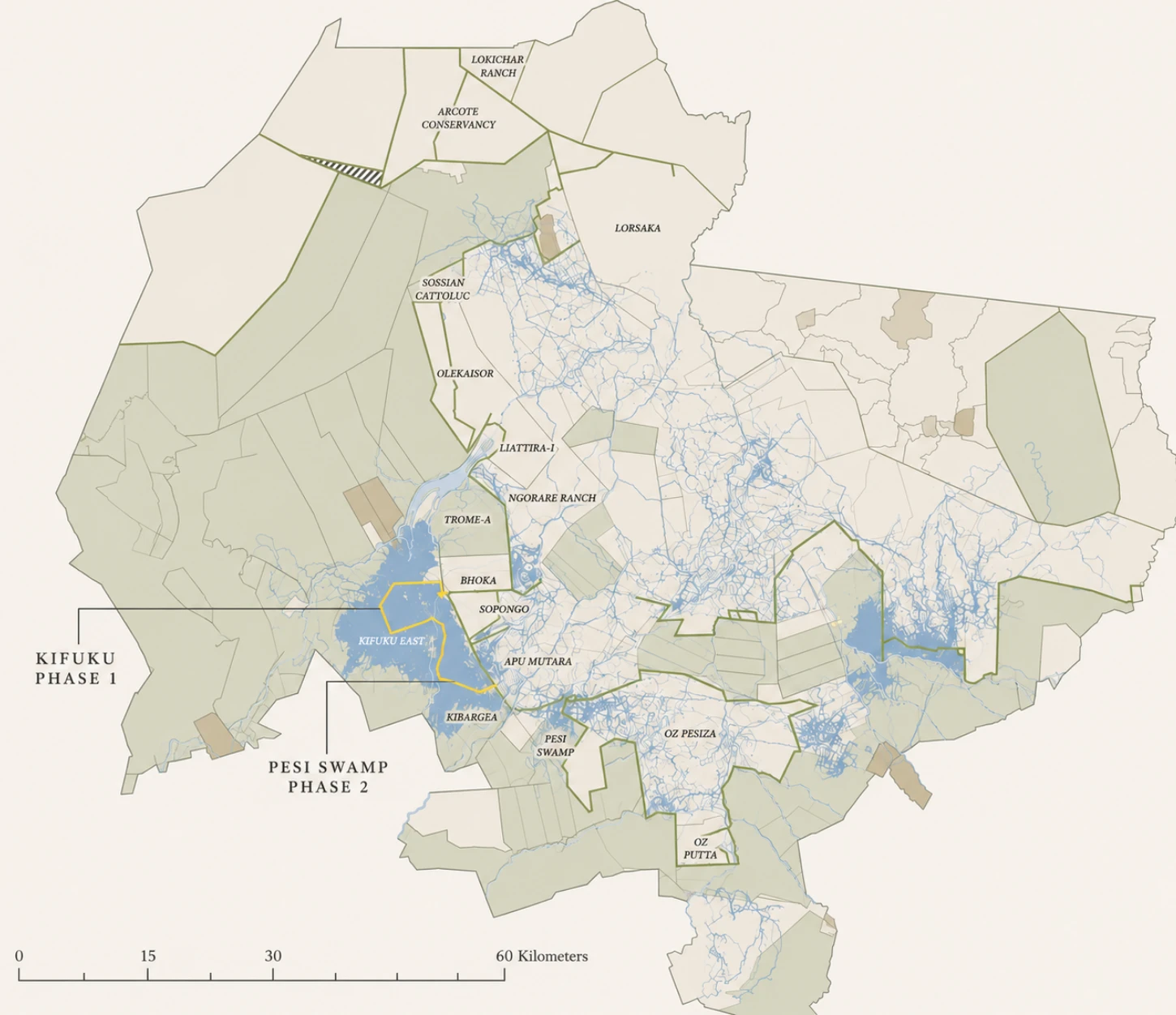
Laikipia County, spanning 10,000 square kilometres, lies at the heart of one of Kenya’s most important conservation landscapes, the Ewaso Ecosystem. The county is a complex mosaic of private and community conservancies, large-scale ranches, and densely settled smallholder farms. In this setting, the Laikipia Elephant Fence stands as the single most important Human-Elephant Conflict mitigation project in northern Kenya: a county-wide, landscape-scale intervention that makes coexistence possible at scale.
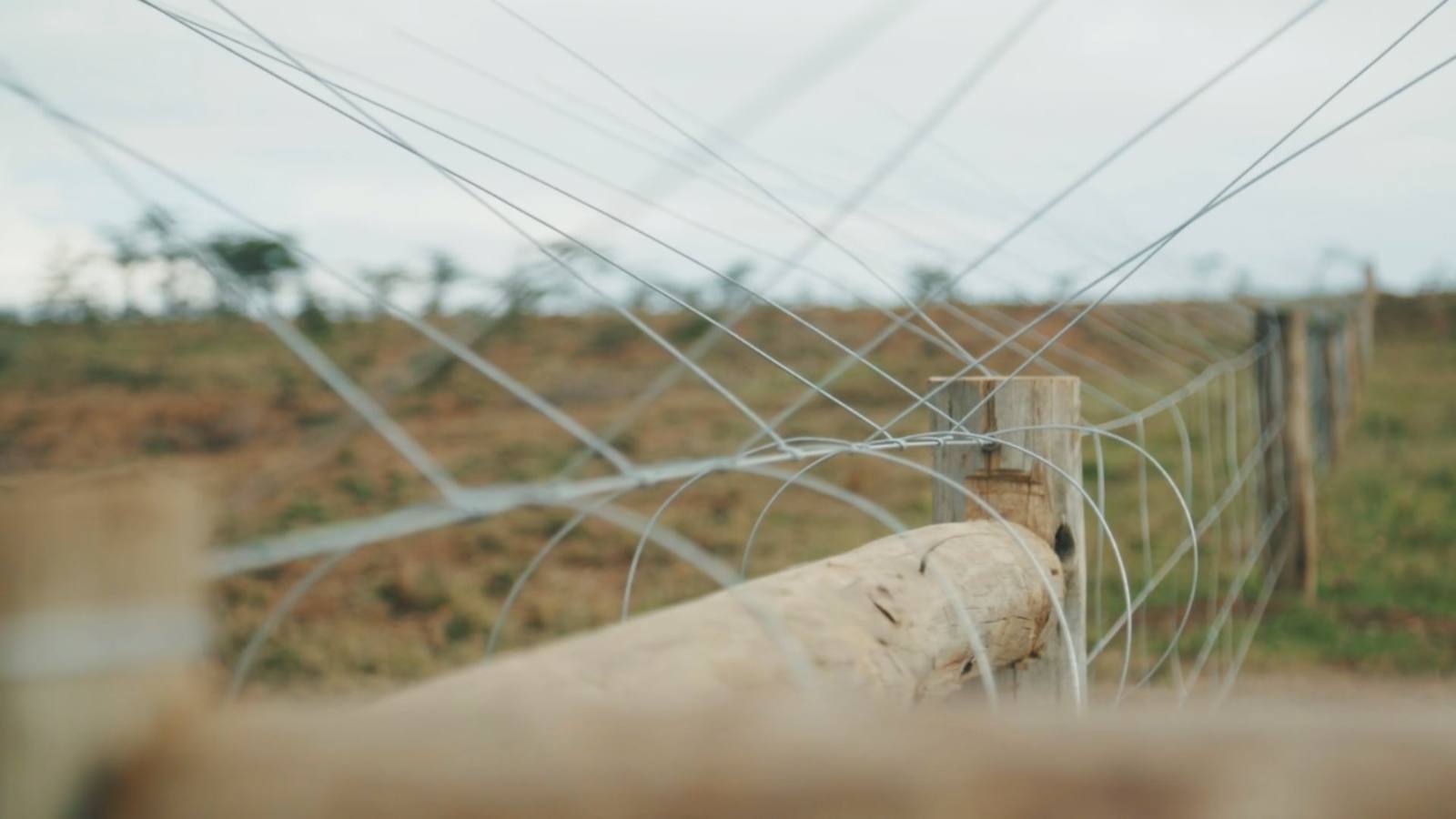
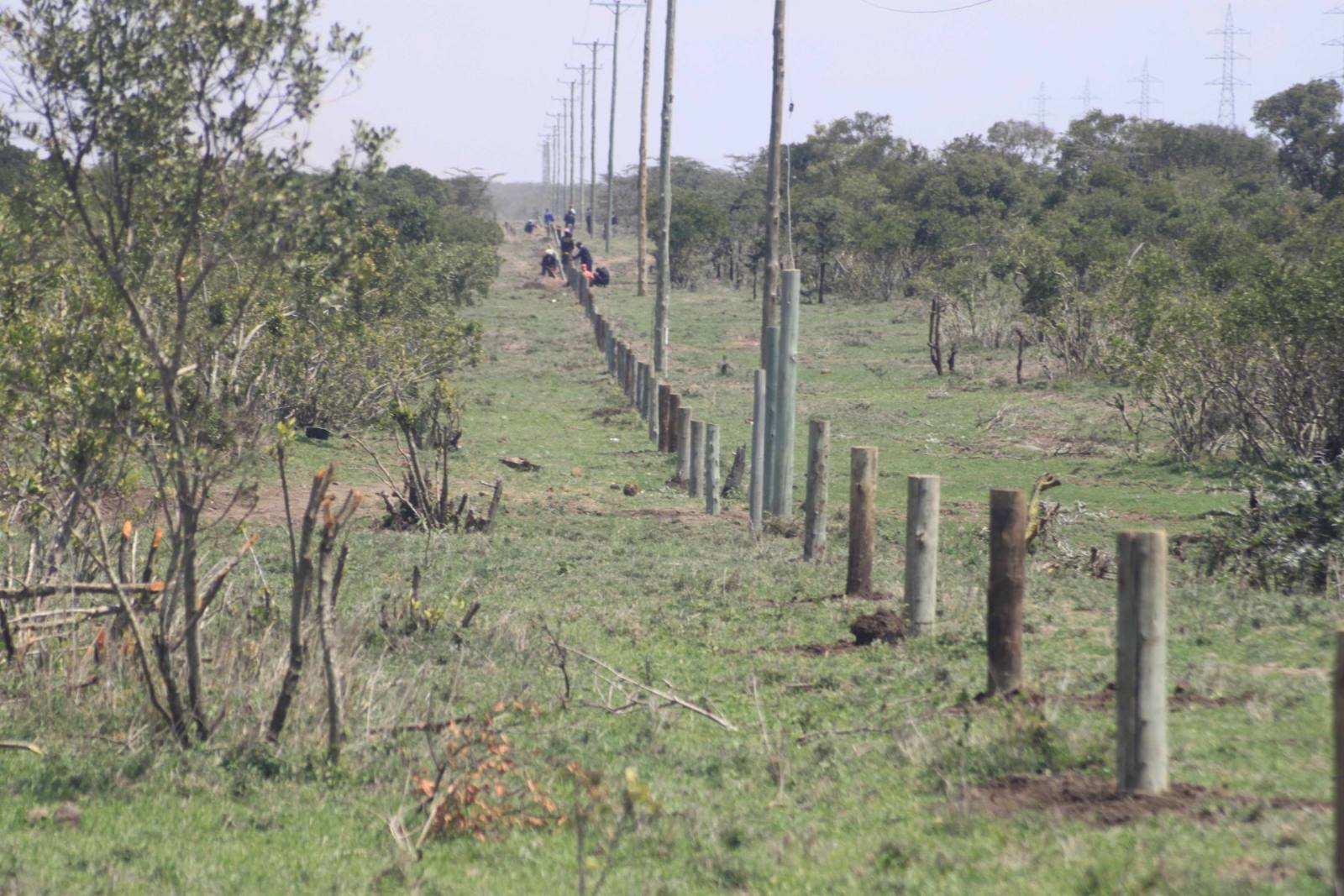
For the communities who live here, coexistence is not an abstract ideal, it is a daily, hard-earned reality. With more than 100 people per square kilometre relying on smallholder agriculture, Human-Elephant Conflict threatens food security, household incomes, and, at times, costs lives. The Laikipia Fence, consisting of over 200 kilometres of solar-powered electric fencing, was constructed by us in partnership with the Laikipia County Government and the Kenya Wildlife Service. It forms both a physical and psychological barrier between people and wildlife. It is by no means a perfect solution, but it is the most effective one for this landscape.
Three elements, one coordinated system
The Laikipia Elephant Fence is maintained through a standing partnership between Space for Giants, the Laikipia County Government, and the Kenya Wildlife Service, combining daily physical maintenance, a rapid-response unit, and satellite tracking of high-risk elephants into a single coordinated system. None of these three elements alone would keep the peace across 200 kilometres of fence line. Together, they do.
Maintaining this system is demanding, unglamorous, and hard work, but it is precisely this effort that keeps people and elephants safe. Dedicated fence maintenance teams patrol the line every day to check voltage, clear vegetation, and carry out rapid repairs. Alongside this, a 24/7 rapid-response unit, made up of Kenya Wildlife Service rangers and Space for Giants personnel, responds to crop-raiding incidents, safely guiding elephants back into ranches and conservancies when they break through, and proactively preventing crop raids. This is reinforced by mobile Human-Elephant Conflict scouts on motorbikes who monitor crop-raiding elephants, and the deployment of satellite Global Positioning System collars on elephants to track and understand ever-changing behaviour.
In 2025, this unit conducted 212 patrols covering 17,810 kilometres, with mobile unit interventions protecting up to 1,000 square kilometres of smallholder farmland across the Laikipia landscape. Five high-risk crop-raiding bull elephants were fitted with satellite collars. 100 kilometres of fence were actively maintained throughout the year. This project is not simply about keeping elephants out of farms. It is about ensuring that elephants are tolerated in an increasingly human-dominated landscape, and that the communities living alongside them have genuine reasons to value their presence. Supported by Elephant Cooperation and many private donors, it continues because of the belief that human beings and elephants can, with the right tools and sustained commitment, share the same earth.
Collars That Keep the Peace
In 2025, Space for Giants and the Kenya Wildlife Service fitted satellite collars to five bull elephants in Laikipia. Two were collared at Suyian Conservancy on 30 June: Bolt, a bull of thirty to thirty-five with a broken left tusk, and Jimbo, older at forty to forty-five. Three followed on 5 August in West Laikipia: Roland, Melnikov, and RoughBack, all mature bulls, all known to raid the smallholder farms that press against the elephant range. Kenya Wildlife Service veterinarian Dr Matthew Mutinda led both operations, and both were completed without a single complication.
Every collar went to a bull, and that is deliberate. Bull elephants drive most of the crop raiding behind human-elephant conflict in Laikipia, and a collar turns an unpredictable individual into a known one. Each collar reports its position through EarthRanger, giving the landscape a live picture of where its elephants are and where they are heading.
Two operations, five collars
That picture is what makes the response work. When a collared bull moves towards farmland, the joint response unit of Space for Giants personnel and Kenya Wildlife Service rangers can reach the crossing point in time to turn him back, before a family loses a season’s harvest. The same movement data reveals which stretches of the electric fence are holding and which are being tested, directing maintenance to where it counts most.
The year also carried loss. Four of Laikipia’s long-monitored bulls, each collared since 2023, were killed in human-elephant conflict in 2025, and conflict has been the leading cause of elephant deaths in this landscape since 2018. Across the continent, there is significant evidence that human-elephant conflict is now the single biggest cause of elephant mortality, and that it is increasing. This is the gap the fence exists to close, and closing it for good is the priority for 2026: securing the long-term funding to upgrade the Laikipia fence.
The fence: daily, unglamorous, essential
The priority for 2026 is securing the long-term funding to upgrade the Laikipia Elephant Fence. Around that, the daily, unglamorous work continues: patrols, maintenance, and rapid response, supported by satellite tracking of the landscape’s highest-risk elephants, sustaining the 94% effectiveness the fence has earned through consistent upkeep, working with the Kenya Wildlife Service and Laikipia County Government to protect the smallholder farms that depend on it.