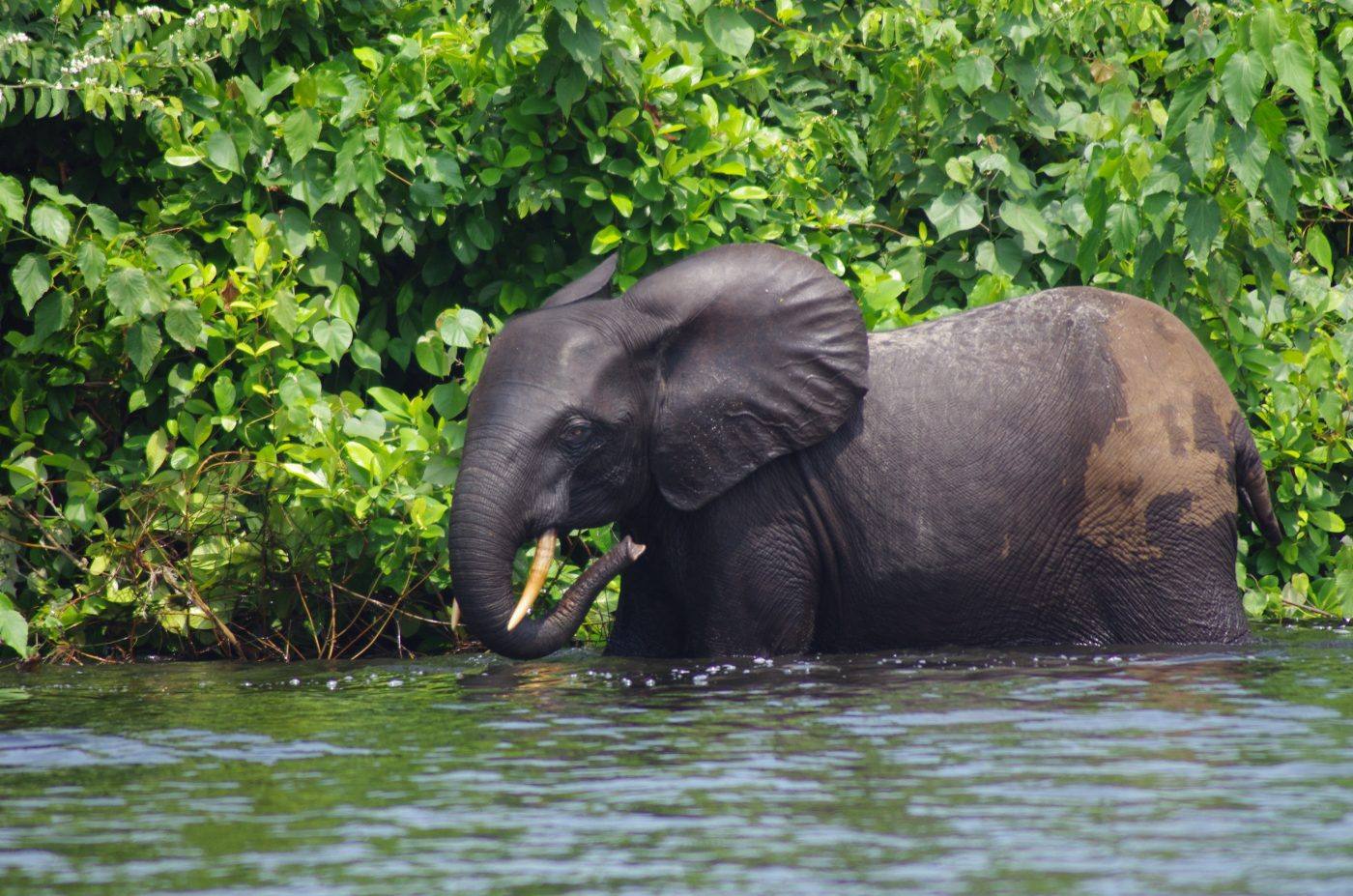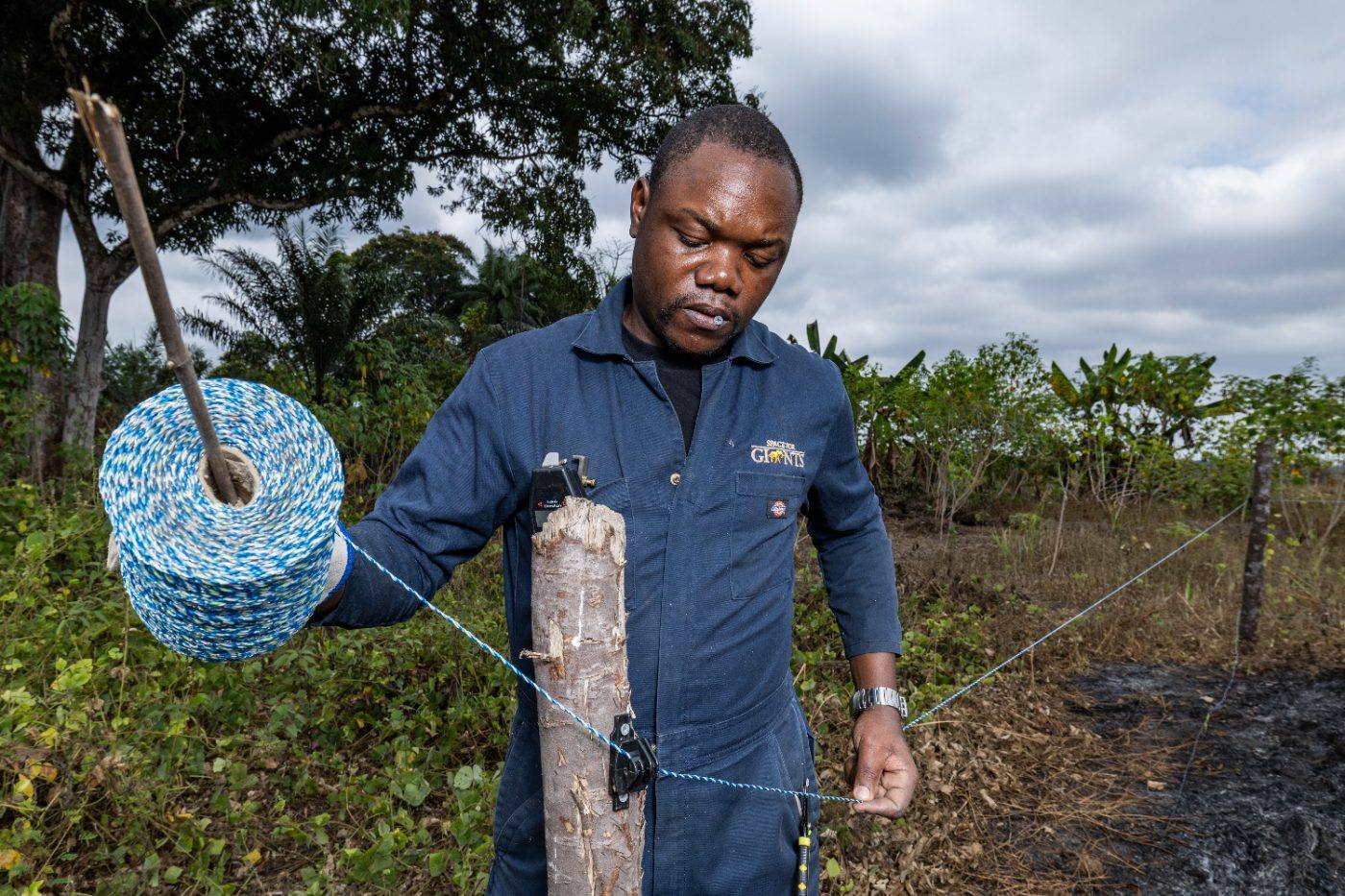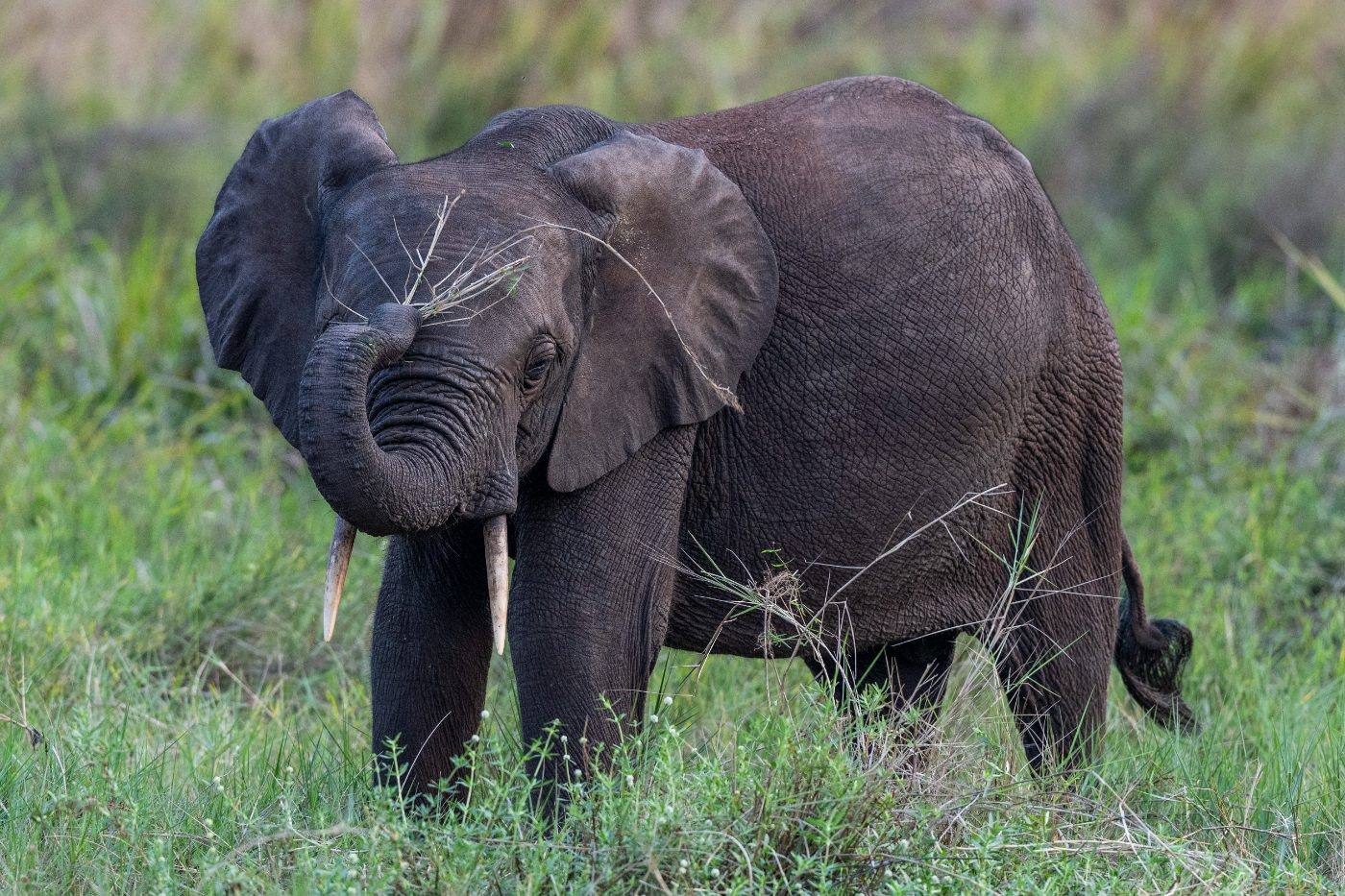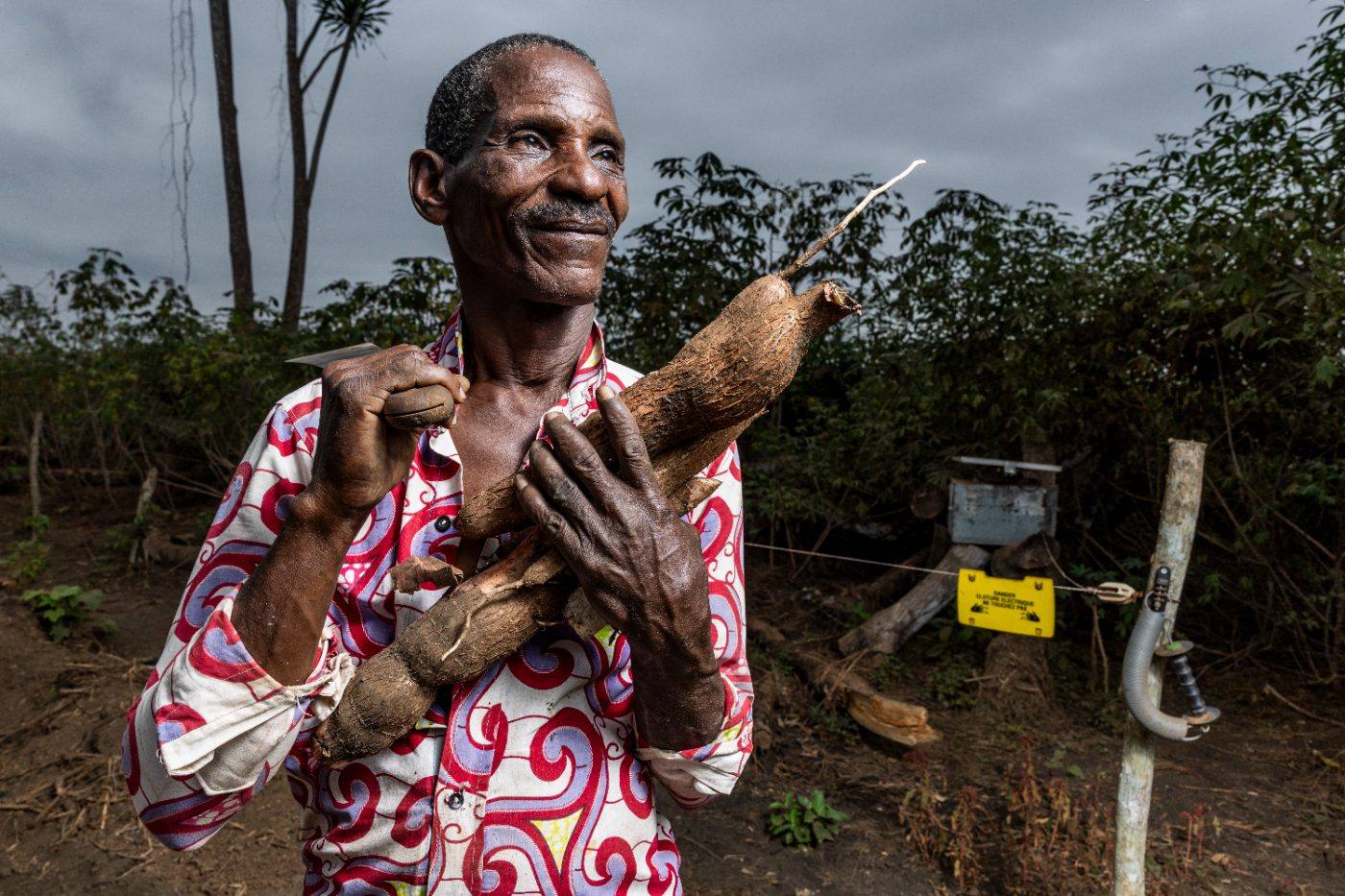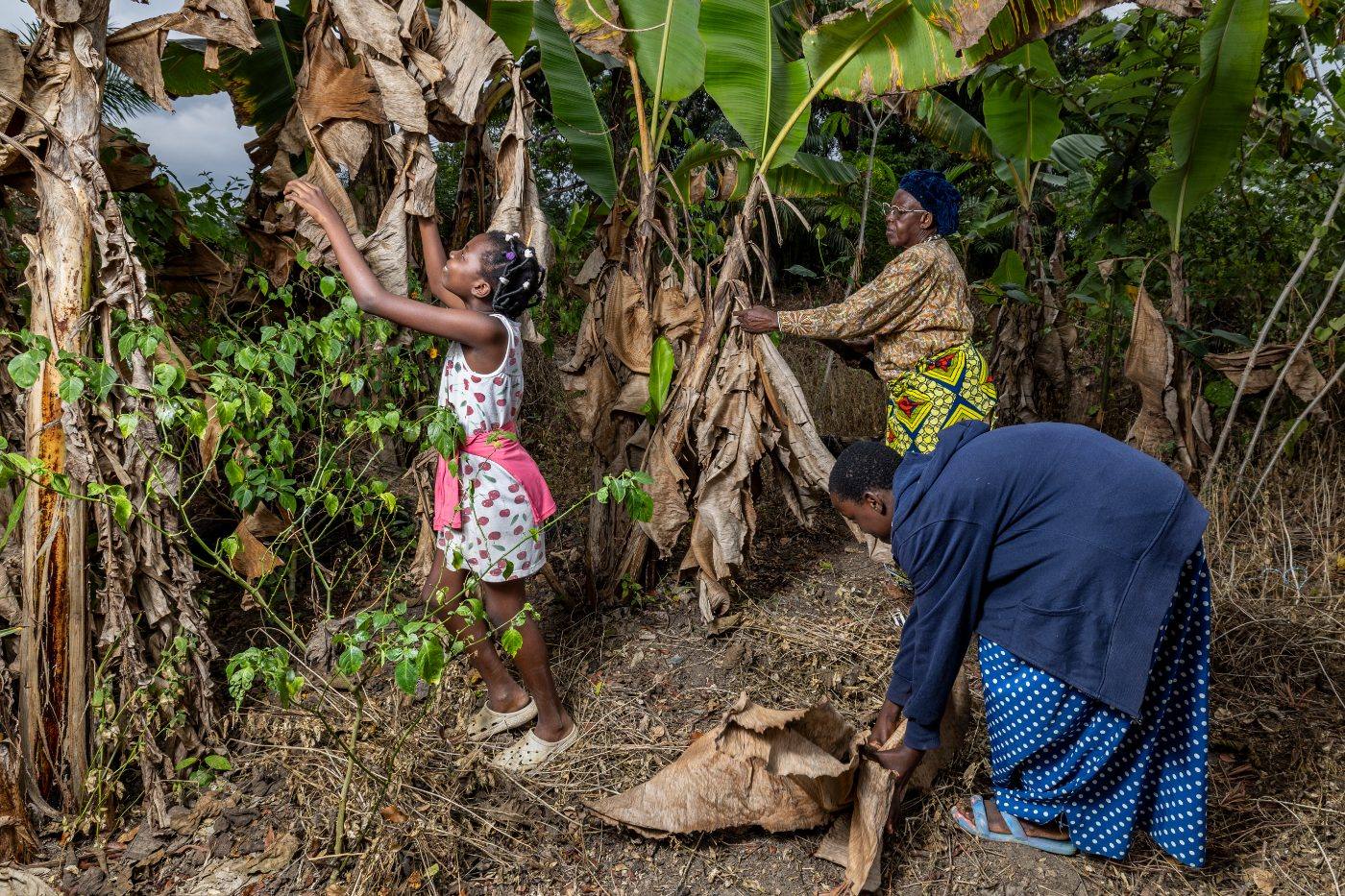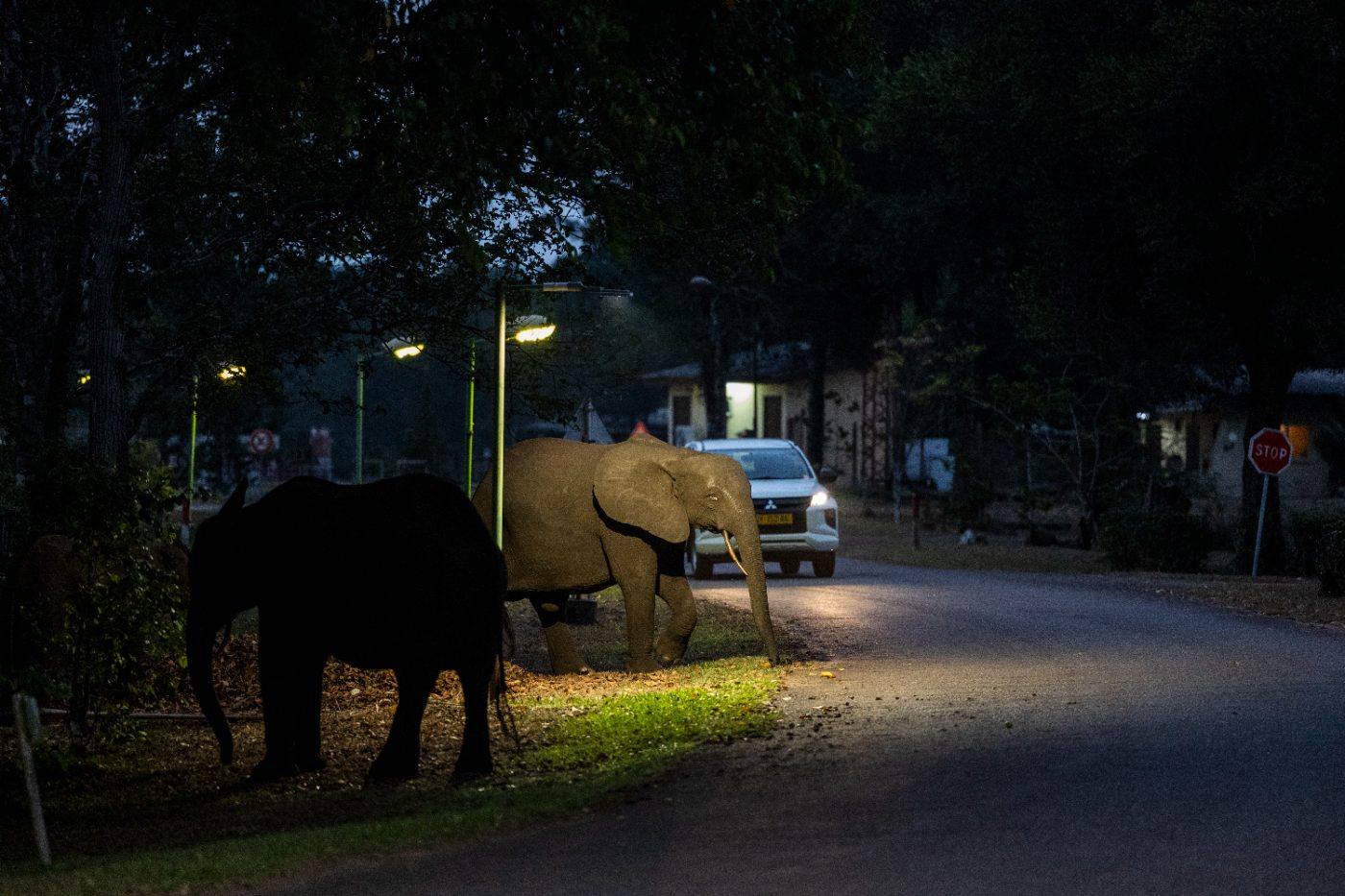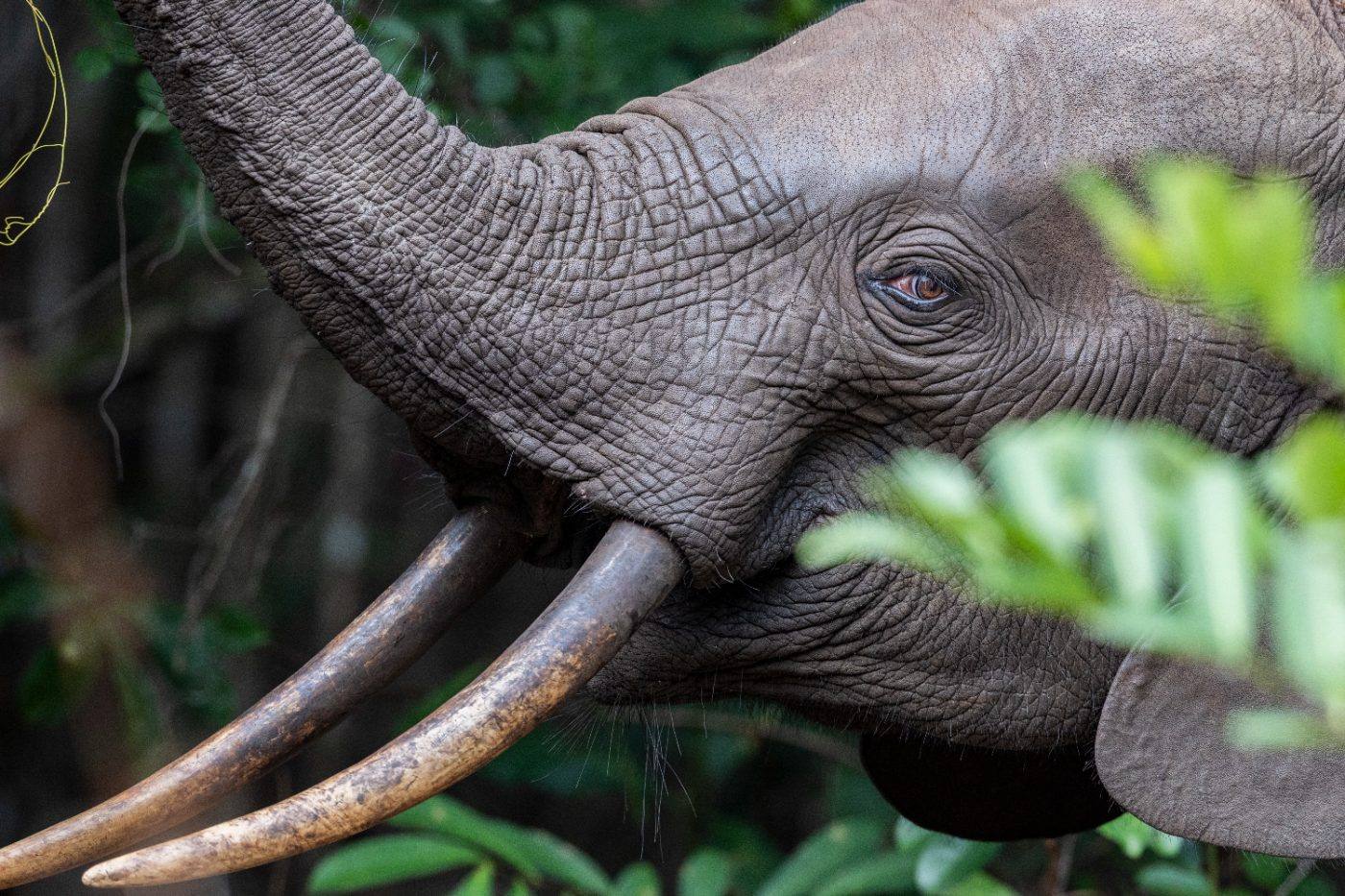
In 2025, Space for Giants’ mobile fencing programme became the defining national response to a crisis that touches every province of the country.
At the beginning of 2025, the Government of Gabon faced a stark choice. Human-elephant conflict had reached a national crisis point, with more than 13,000 incidents recorded between 2016 and 2022 and the preferred policy response increasingly focused on problem animal culling.
By the end of the year, that choice had been made differently. Electrified fencing had replaced lethal control as the government’s national strategy, and both people and elephants had been saved in the process.
That shift did not happen by accident. It happened because we demonstrated, at scale, that coexistence works.
The work, the farmers, and the teams who deliver it
One film that explains the mobile fencing programme, shows what it has changed for Gabon’s farmers, and follows the field teams working across all nine provinces.
Key Statistics, Gabon 2025
230% Growth in a Single Year
Working as the lead technical partner for the Gabonese Ministry of Water and Forests, we received a two-year grant of USD 4.5 million from the Central African Forest Initiative, under the project titled “Peaceful Coexistence between Humans and Elephants in Gabon”, to accelerate the national deployment of mobile electric fences for subsistence farmers across Gabon’s dense rainforests.
The year 2025 marked a major acceleration in delivery. We installed 1,146 fences in a single year, an increase of nearly 230% compared to 2024, bringing the programme’s reach to 47 of Gabon’s 49 administrative departments across all nine provinces. Two milestones marked this acceleration: the installation of the 1,000th fence and the opening of a fifth provincial base, both of which significantly strengthened field presence, response times, and support to beneficiary communities.
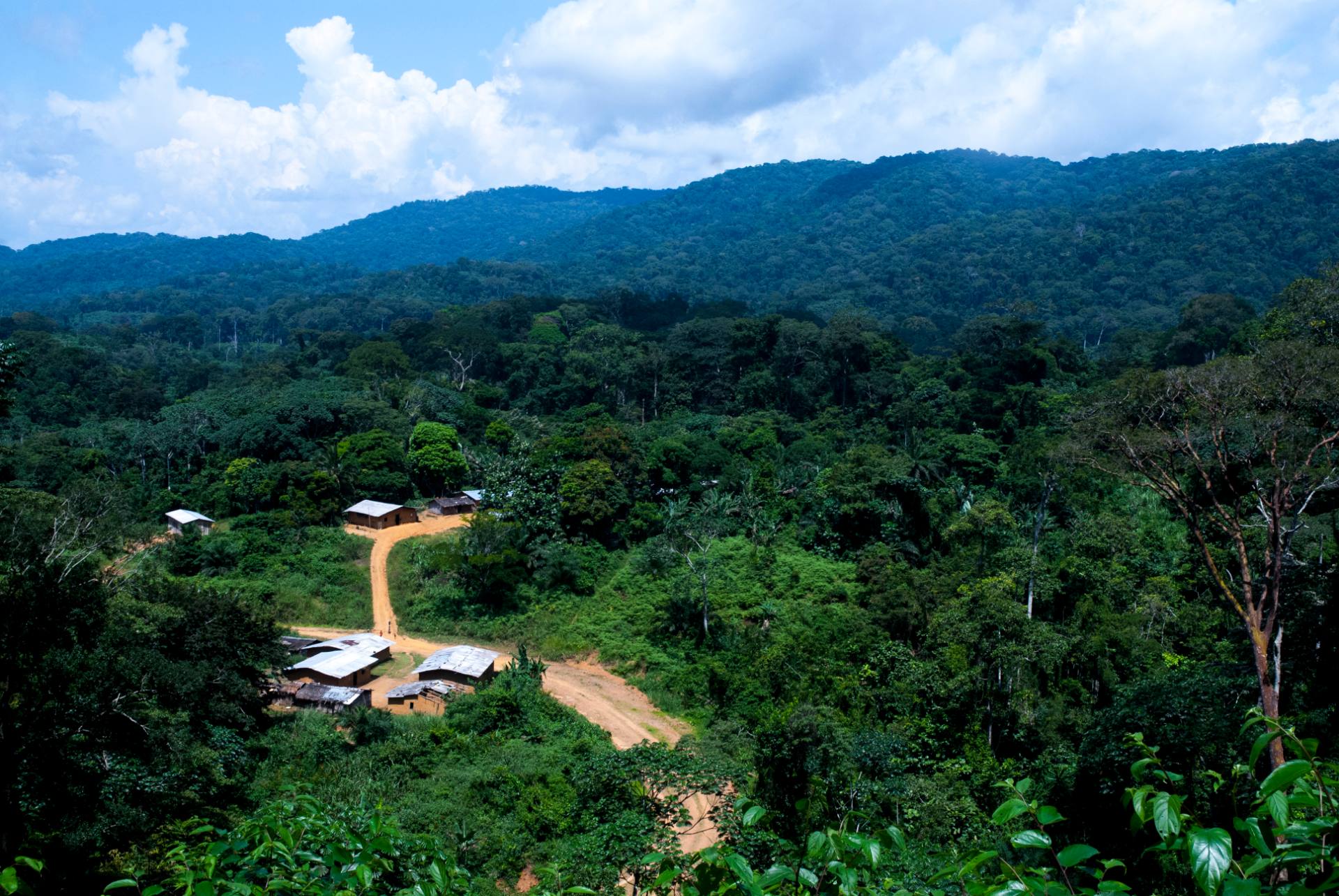
By the end of 2025, 2,130 fences had been installed nationwide, protecting crops in 932 villages and directly benefiting over 33,000 people and their dependants across some of Gabon’s most vulnerable rural communities.
Food security, safety, and the restoration of the dignity of rural communities depend on mitigating human-wildlife conflict. With this in mind, we must double our efforts by intensifying the installation of individual electric fences.
From reducing costs to generating value
The mobile electric fence programme in Gabon, delivered in partnership with the Ministry of Water and Forests, now stands as one of the country’s most effective tools for reconciling rural development with wildlife conservation. Looking ahead to 2026, the focus will be to maintain this momentum while making a strategic shift: from working solely to reduce the costs of living alongside elephants, to actively generating value, for and from elephants, by investing in Gabon’s protected area estate and nature-based economy.
The elephants, the farms and the forest